

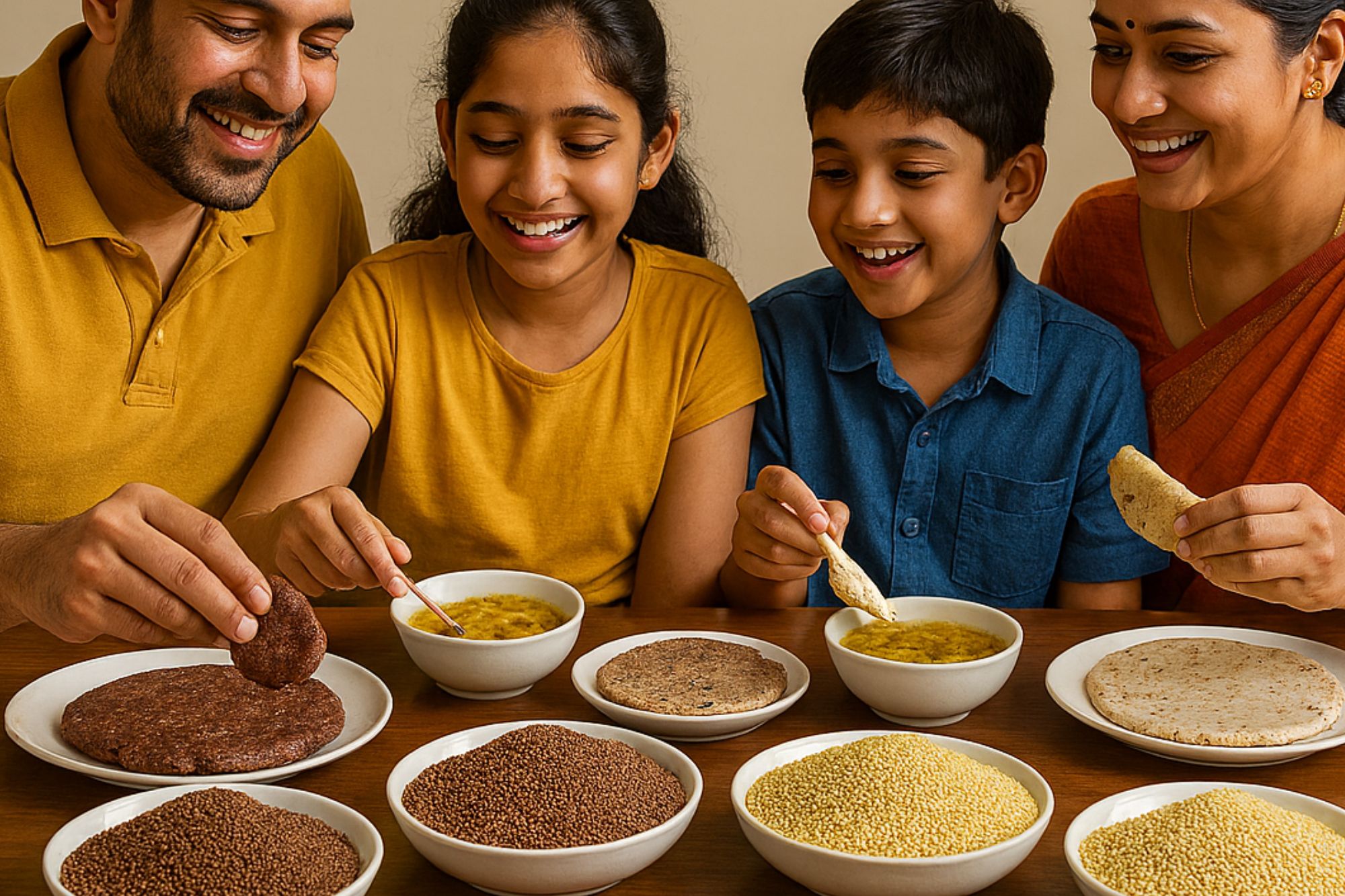
)
The rising temperatures have made consuming and preparing cooling foods a necessity. The diet plays a vital role in how internally cool your body temperature is and how much you will be able to deal with the environment that is reaching record-breaking temperatures. Indian summers are known to be brutal on the body, and taking proactive steps to safeguard yourself from their effects includes adding cooling foods like millets to your diet. Not only do millets provide energy that gets depleted due to excessive water loss and its toll on bodily functions, but they also nourish the body with macro- and micronutrients.
Consuming millets in the summer is also environmentally friendly, as they are a short-term warm-season crop. Millets are nutritional powerhouses that can beat the heat and help improve the common problem of summer lethargy.
Why Millets Are Ideal for Summer
To figure out which type of millet you need to eat during summers, NDTV spoke to Dr. Kruti S Dhirwani, a homoeopathy physician and clinical nutritionist based out of Mumbai, who is a millet expert. She went on to explain that "while millets are frequently associated with winter warmth, several varieties are naturally cooling or neutral, making them vital for summer nutrition. By choosing the right grains, we can manage internal body heat, maintain electrolyte balance, and prevent summer lethargy."
Millets provide high fibre and hydration and are easier to digest, which is helpful in the summer, as the digestive slowdown due to heat stress is common. And research backs this, as the International Journal of Community Medicine and Public Health clearly details that consumption of millets needs to be made popular, as they are nutritious and cooling depending on the specific varieties.
Expert Recommendations: 5 Best Millets For Summer
1. Ragi (Finger Millet)
Dr. Kruti explained that "ragi is often misunderstood as a 'heating' grain due to its colour, but it is the most versatile summer grain." Despite its dark colour, it acts as a potent internal coolant. It is exceptionally rich in calcium and iron, which helps combat the fatigue and lethargy often triggered by the summer heat."
The millet expert also detailed the best way to consume ragi during summers. She said, "For a traditional cooling boost, try Ragi Ambali (a fermented porridge) or a chilled Ragi Malt (flour whisked with water/milk and lightly sweetened). You can also swap your regular idli or dosa batter with a ragi-based one for a lighter breakfast."
Research in the Journal of Phytopharmacology highlights that ragi needs to be consumed in the right form and quantity during summers to reap its health benefits and cooling properties.
2. Jowar (Sorghum)
To uncover the hidden health benefits of consuming jowar for summers, Dr. Kruti S Dhirwani detailed that "jowar is a neutral grain and is well-tolerated in summer. Unlike bajra, which is thermogenic (heat-producing), jowar doesn't increase body heat. It is rich in potassium and phosphorus, which help maintain electrolyte balance when you're sweating. "
She also communicated that you can enjoy eating jowar in summers by "making it into thin rotis or bhakhris." If you find it too dry, pair it with a bowl of curd or a cucumber raita to enhance its cooling properties."
By eating jowar, you are not only supplying the body with essential nutrients but also being conscious of what is on your plate. As highlighted in the Agricultural and Food Sciences And Environmental Science, jowar is a suitable crop that grows in areas with extreme temperatures, and given the rate of climate change and impact on environmental health, you need to consider where your food is coming from and how it is helping you deal with the summer heat.
3. Barnyard Millet (Sanwa)
'If you are looking for a "low-calorie" summer meal that won't leave you feeling bloated, barnyard millet is your best bet. 'It is highly digestible and has a high water-retention capacity,' conveyed Dr. Kruti S Dhirwani, who is passionate about making millets a part of everybody's plate.
She detailed that you can use barnyard millet easily by "using it to make a light summer khichdi or a vegetable-loaded pulao." It's an excellent rice substitute that doesn't spike your blood sugar. It also prevents the sluggishness often felt after summer meals.'
According to a review and meta-analysis in the Frontiers in Nutrition journal, barnyard millet generally causes a slower and more gradual rise in blood glucose levels compared to high GI foods. Hence, it has a low glycaemic index, which makes it beneficial for diabetics, but consulting a nutritionist is important to figure out the dose and timing.
Also Read: Sattu Sharbat vs Whey Protein: Which Is Healthier And A Better Source Of Protein?
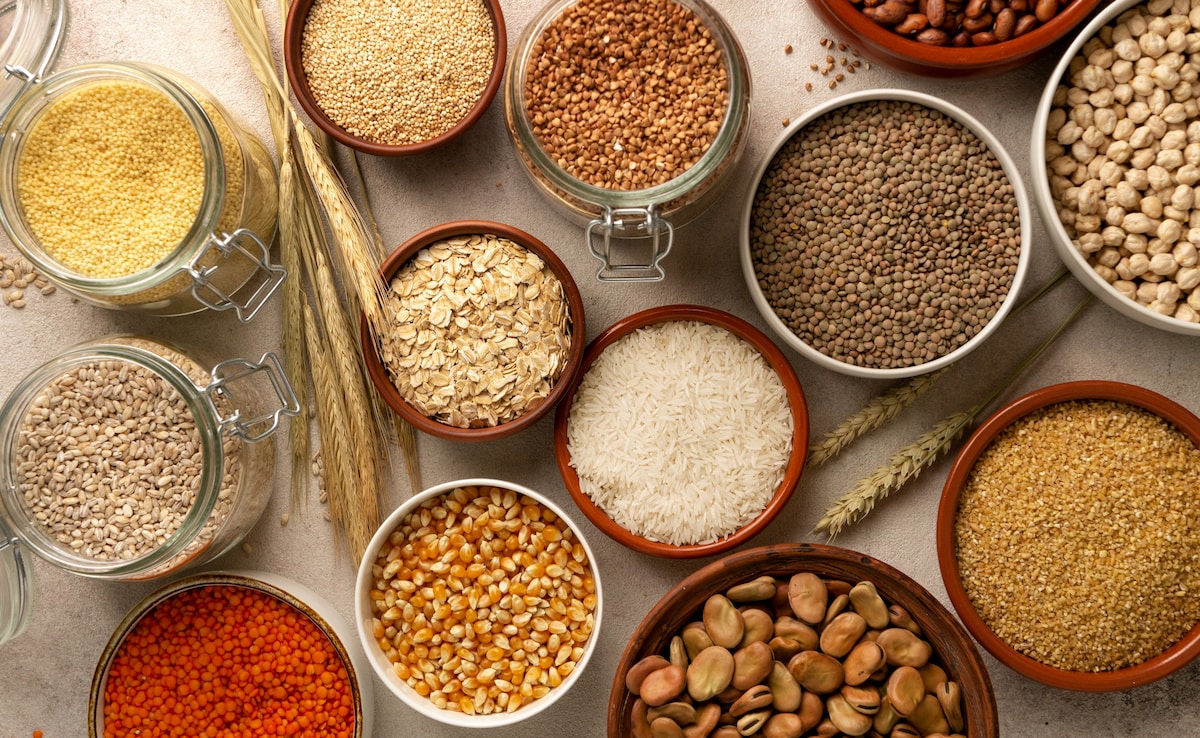
An assortment of millets
Photo Credit: Freepik
4. Kodo Millet
Dr. Kruti considers kodo to be a summer superfood due to its high concentration of B vitamins (B6, niacin, and folic acid) and magnesium. These nutrients are critical for regulating electrolyte balance, the body's primary defence against heat exhaustion. Unlike refined grains, Kodo has a very low glycaemic index, releasing energy slowly to prevent the metabolic spikes that can make you feel overheated after eating.
She also explained that people can "try making Kodo Curd Rice, mixing cooked Kodo with fresh curds and a mild tempering, to provide a probiotic-rich, cooling lunch.
According to the research published in the Food Chemistry Journal, kodo millet is a great way to cool your body, as various moisture contents change its physical properties.
5. Foxtail Millet (Kangni)
It is incredibly light on the stomach and rich in fibre. It helps in maintaining steady energy levels throughout the day without the "heaviness" associated with other grains like wheat or rice.
Dr. Kruti highly recommends "a millet salad for lunch. Toss cooked foxtail millet with seasonal greens, crunchy bell peppers, and a lemon-mint dressing for a refreshing, mineral-rich meal."
The millet expert also explains that, "I generally advise avoiding Bajra (Pearl Millet) during peak Indian summers. It is a 'heating' grain that is perfect for winters but may cause internal heat or digestive discomfort during a heatwave. Save this grain for the winter."
Also Read: Who Should Avoid Chia Seeds? Doctor Warns Of Potential Health Risks
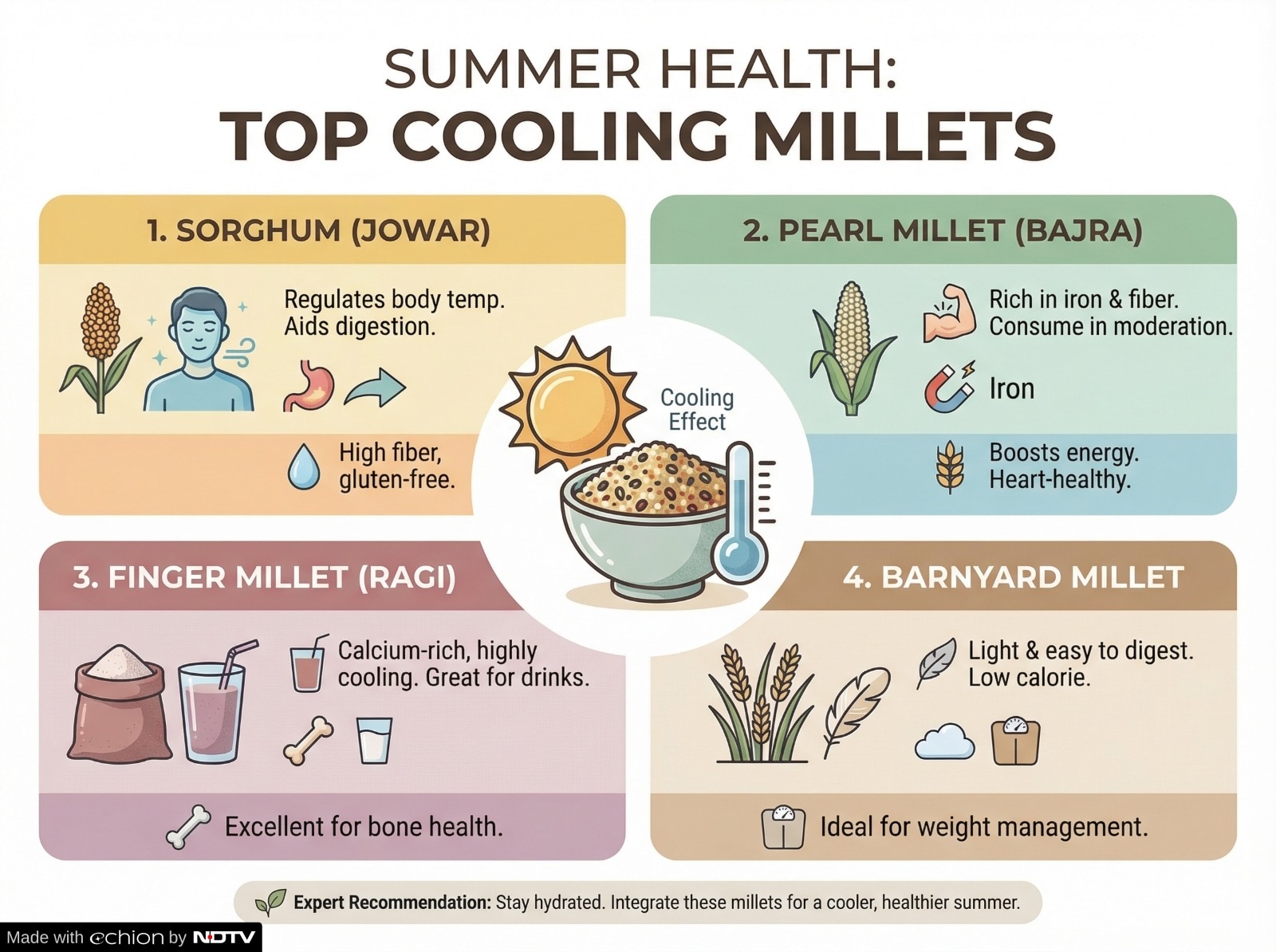
Clinical Tips For Summer Millet Consumption
To get the most out of these ancient grains without digestive distress, follow these three essential rules, as Dr. Kruti explains:
- Prioritise Soaking: Never cook millets directly. Soak them for at least 6 to 8 hours (or overnight). This neutralises phytic acid, which otherwise blocks mineral absorption, and ensures the grain is "pre-hydrated" for easier digestion.
- Try Fermentation: Summer is the perfect time for fermentation. Preparing millets like Ragi as a fermented gruel (Ambali) introduces natural probiotics to your gut, which is vital when your digestive fire is naturally lower due to the heat.
- Hydration is Non-Negotiable: Millets are high in fibre. To allow that fibre to work effectively and prevent bloating or gas, you must increase your water intake. Think of water as the vehicle that helps millet nutrients move through your system.
- Drink enough water: Ensure you are drinking at least 2.5-3 litres of water daily to avoid bloating. By making these mindful swaps, you can harness the benefits of these ancient grains while keeping your body cool and resilient all summer long.
Millet expert and extensive research also indicate that specific millet varieties can boost your energy levels and make your body better able to deal with the heat stress that is set to rise. To ensure your digestion and nutritional intake remain balanced, eating the right form of millets in the right quantity and form matters.
Disclaimer: This content, including advice, provides generic information only. It is in no way a substitute for a qualified medical opinion. Always consult a specialist or your own doctor for more information. NDTV does not claim responsibility for this information.