

)
It would not be wrong to say that healthy eating today often looks more expensive than it needs to be. Social media is full of smoothie bowls topped with imported fruits, fancy grains, and “superfoods” flown in from across the world. Somewhere along the way, nutrition started to feel complicated and costly. But eating well does not have to burn a hole in your pocket. In fact, many traditional Indian foods quietly offer better nutrition at a fraction of the price. The idea is simple: smarter choices, not pricier ones.
This is exactly what nutritionist Shalini Sudhakar highlights in her recent Instagram video. With a few clear swaps, she shows how Indian kitchen staples can easily replace popular imported foods, without losing out on nutrition.
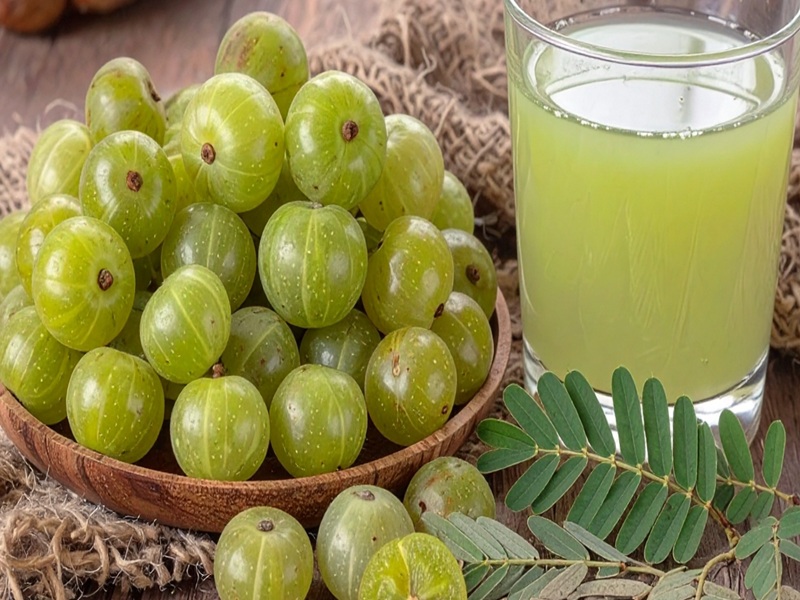
Amla Instead Of Strawberries
Shalini Sudhakar begins with a simple fruit swap. While strawberries are often praised for their vitamin C, she suggests choosing amla instead. “Swap strawberries with amla. Ten times more vitamin C and barely cost you two rupees,” she says. Amla is not just affordable, but also rich in antioxidants and supports immunity and gut health. Strawberries are good, she agrees, but amla does more for less.
Almonds Over Avocados
Next comes a swap many will find useful. Avocados are trendy, but also expensive and not locally grown. The health expert recommends almonds instead. “Just seven almonds will give you five times more vitamin E, omega-3, folate, potassium and calcium,” she explains. Almonds are easy to find, store well, and fit easily into Indian diets.
Ragi In Place Of Oats Or Quinoa
The final swap focuses on grains. Imported oats and quinoa have become breakfast staples, but ragi deserves more attention. According to the nutritionist, ragi is about 15 times richer in calcium and fibre. It also costs far less and suits Indian digestion better. From dosas to rotis and porridges, ragi is versatile and filling.
Shalini Sudhakar's larger message is clear. “Our Indian superfoods are ten times more nutritious and ten times cheaper than expensive foreign foods,” she says. Conscious eating is not about copying food trends. It is about choosing what works for your body, budget and lifestyle.
Disclaimer: This content including advice provides generic information only. It is in no way a substitute for a qualified medical opinion. Always consult a specialist or your own doctor for more information. NDTV does not claim responsibility for this information.