

)
Your liver is one of the most important organs of the body as it helps in detoxification, metabolism, and several other functions. The organ helps in filtering blood, producing bile, digesting fat, managing glucose and iron levels and synthesising blood-clotting proteins. There has been a rise in cases of liver diseases, which includes, fatty liver, liver fibrosis, liver cirrhosis, liver failure and liver cancer. While there has been conversations around liver health, most people don't understand what exactly is liver fibrosis.
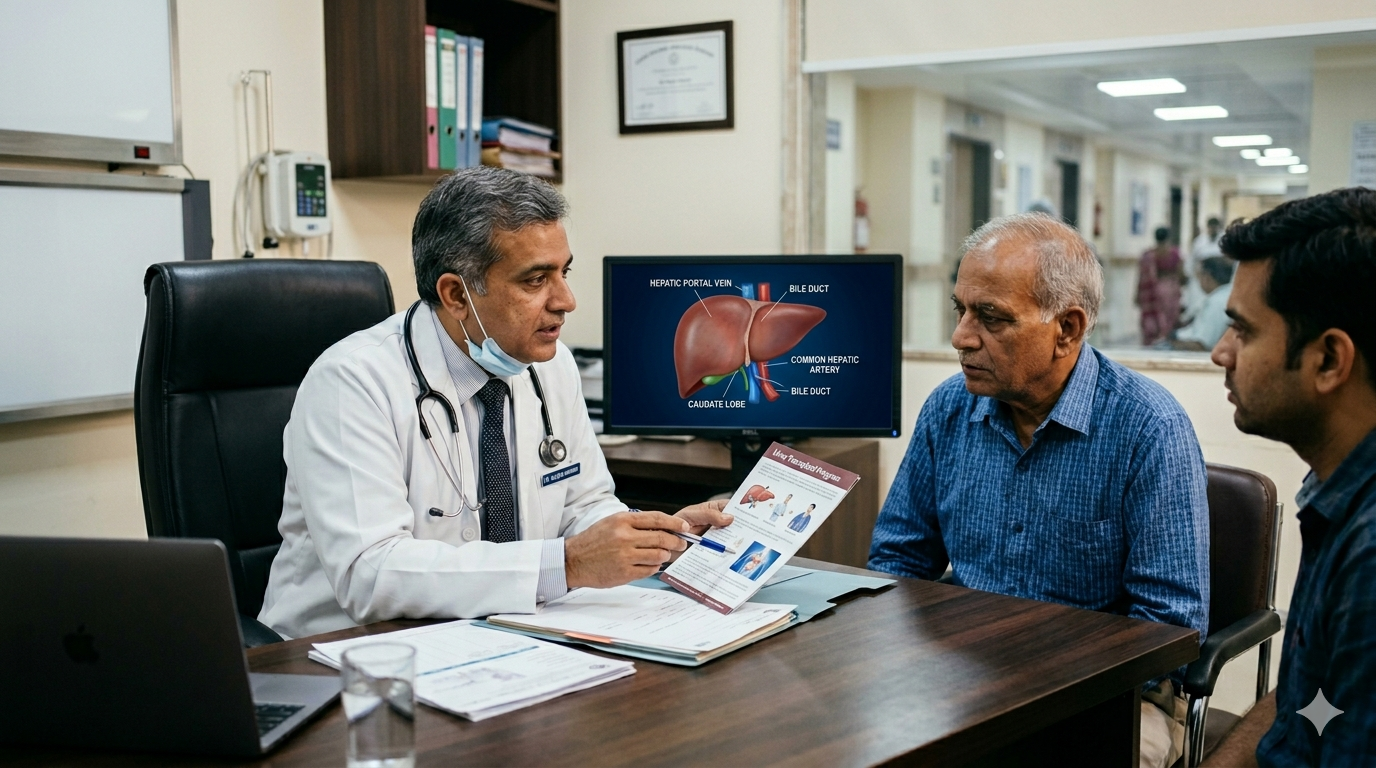
Dr. Shivam Kalia, Consultant, Department of Gastroenterology & Hepatology, Fortis Hospital, Noida explains what liver fibrosis is, its causes and more.
What Is Liver Fibrosis?
Dr. Kalia said, "Liver fibrosis may sound like a complex medical term, but it simply refers to scarring of the liver. The liver is a remarkable organ with the ability to repair itself when damaged. However, when injury occurs repeatedly, due to causes such as viral infections, alcohol use, fatty liver disease, or metabolic conditions, scar tissue begins to accumulate."
Can Liver Fibrosis Be Reversed?
For many years, it was believed that when an individual develops liver scarring, it can not be reversed. Today, we know that this is not entirely true. Liver fibrosis can be reversed, particularly when identified early and managed appropriately.
The potential for reversal depends on two key factors: the severity of scarring (also known as the stage of fibrosis) and the underlying cause of liver damage. In early stages, the liver retains a strong capacity to heal itself.
Dr. Kalia explains that a simple way to understand this is to imagine the liver as a garden. Mild scarring is like a few dry patches; these can recover once the underlying issue is addressed. As the damage becomes more extensive, recovery is still possible but may take longer. In advanced stages, such as cirrhosis, the structural damage is more permanent, although some functional improvement can still occur with treatment.
What Are The Stages Of Fibrosis?
Clinically, fibrosis is staged from F0 to F4.
- F0 indicates no scarring
- F1 is mild fibrosis
- F2 represents moderate fibrosis
- F3 indicates severe scarring
- F4 corresponds to cirrhosis
Evidence suggests that patients in stages F1 to F3 can experience significant improvement, and in some cases, reversal of fibrosis if the underlying cause is treated in time. Even in cirrhosis, while complete reversal may not be possible, the liver can still regain some function and stability.
The cause of fibrosis plays a crucial role in recovery. In cases of hepatitis B and C, modern antiviral therapies can effectively control or eliminate the virus, allowing the liver to heal over time. For alcohol-related liver disease, complete abstinence can lead to remarkable improvement. Similarly, in fatty liver disease (now referred to as metabolic dysfunction-associated steatotic liver disease or MASLD), sustained weight loss, typically 7-10% of body weight, along with lifestyle changes can significantly reduce fat accumulation and even reverse early scarring.
Reversing Liver Fibrosis
At the core of this recovery process is the liver's natural ability to remodel and break down scar tissue, says Dr. Kalia. When the source of injury is removed, inflammation reduces, and specialised cells in the liver initiate repair, allowing healthy tissue to regenerate.
The key message for patients is clear: do not wait for symptoms. Liver fibrosis often remains silent until it becomes advanced. Simple tests such as blood investigations, ultrasound, or non-invasive tools like FibroScan can help detect fibrosis early.
Even partial reversal can make a meaningful difference by preventing complications such as liver failure or liver cancer. With timely intervention, appropriate treatment, and sustained lifestyle changes, many patients can achieve significant improvement in liver health.
The bottom line is that liver fibrosis is no longer a one-way progression. With early detection and the right intervention, the liver has a real chance to heal.
Disclaimer: This content including advice provides generic information only. It is in no way a substitute for a qualified medical opinion. Always consult a specialist or your own doctor for more information. NDTV does not claim responsibility for this information.