

)
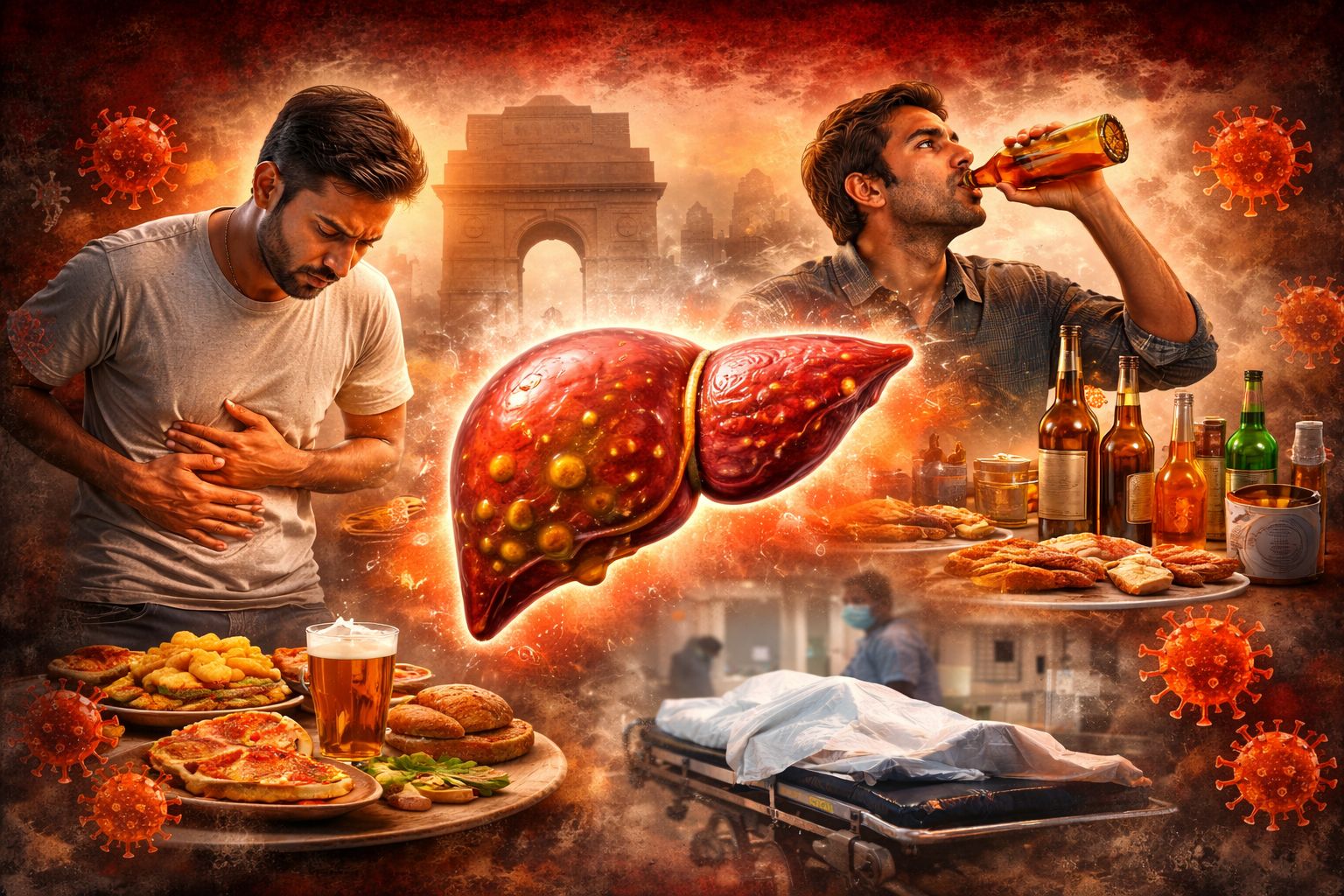
Think your occasional weekend binge is no big deal because you keep alcohol low the rest of the month? However, that is not true as a new study warns that even one monthly heavy drinking session could triple your risk of serious liver damage, especially if you have a common condition like metabolic dysfunction-associated steatotic liver disease (MASLD). Also known as non-alcoholic fatty liver disease (NAFLD), it is a condition wherein people develop fat in the liver and this is not caused due to alcohol consumption. In severe cases, MASLD can lead to liver scarring, which is known as cirrhosis. In some people, MASLD can also progress to liver cancer.
The new study from Keck Medicine of USC was published in the Clinical Gastroenterology and Hepatology. The study challenges the idea that spreading out drinks makes binges harmless. It shows how consuming multiple drinks in one go overwhelms the liver, leading to inflammation and scarring called fibrosis.
Brian P. Lee, MD, MAS, a hepatologist and liver transplant specialist with Keck Medicine and principal investigator of the study, said, "This study is a huge wake-up call because traditionally, physicians have tended to look at the total amount of alcohol consumed, not how it is consumed, when determining the risk to the liver. Our research suggests that the public needs to be much more aware of the danger of occasional heavy drinking and should avoid it even if they drink moderately the rest of the time."
Understanding Liver Fibrosis
Liver fibrosis happens when repeated damage leads to the development of scar tissue in the liver, making it stiff and weak. Healthy liver cells get replaced by tough scars that can''t work or heal. This eventually reduces the organ's ability to filter toxins or regenerate. Over time, this scarring can lead to cirrhosis, liver failure, or cancer if unchecked and untreated. There are usually no signs in the early stages however, advanced fibrosis can cause fatigue, jaundice, swelling, or stomach pain.
What Is Binge Drinking?
Binge drinking means when you drink more than four drinks in one sitting for women or more than five for men. The study calls this 'episodic heavy drinking' when it happens monthly, even if weekly totals stay moderate (under 7 drinks for women, 14 for men). Many adults, over half in the study, do this casually on Fridays or parties, thinking it's safe. But it increases liver stress differently than even daily light drinks.
Study Overview And Findings
Scientists analysed over 8,000 U.S. adults from 2017-2023 National Health and Nutrition data. They focused on MASLD patients, comparing monthly bingers to steady moderate drinkers with matching totals. The results showed that monthly bingers with MASLD had nearly three times higher risks of developing advanced fibrosis. Younger folks and men binged more. The study also found that heavier single sessions worsened damage.
Lee said, "Although this study focused on patients with MASLD, these findings may also be pertinent to a broader patient population. With more than half of adults reporting some episodic heavy drinking, this issue deserves further attention from both physicians and researchers to help better understand, prevent and treat liver disease."
Why Binge Hits Harder
Heavy bursts of alcohol flood the liver with alcohol, causing toxic overload, oxidative stress, and swelling. Unlike steady intake, binges increase inflammation fast, scarring tissue before recovery. MASLD livers that are already fatty and inflamed, can't cope, and obesity or diabetes doubles baseline risk. Total drinks matter less than the pattern.
How to Protect Your Liver
- Cut out binges entirely. Aim for true moderation or none, especially if you have MASLD.
- Eat liver-friendly foods such as fruits, veggies, whole grains, lean proteins. Stay away from fried and fatty foods
- Exercise 150 minutes weekly, control weight and manage diabetes and cholesterol.
Disclaimer: This content including advice provides generic information only. It is in no way a substitute for a qualified medical opinion. Always consult a specialist or your own doctor for more information. NDTV does not claim responsibility for this information.