

)
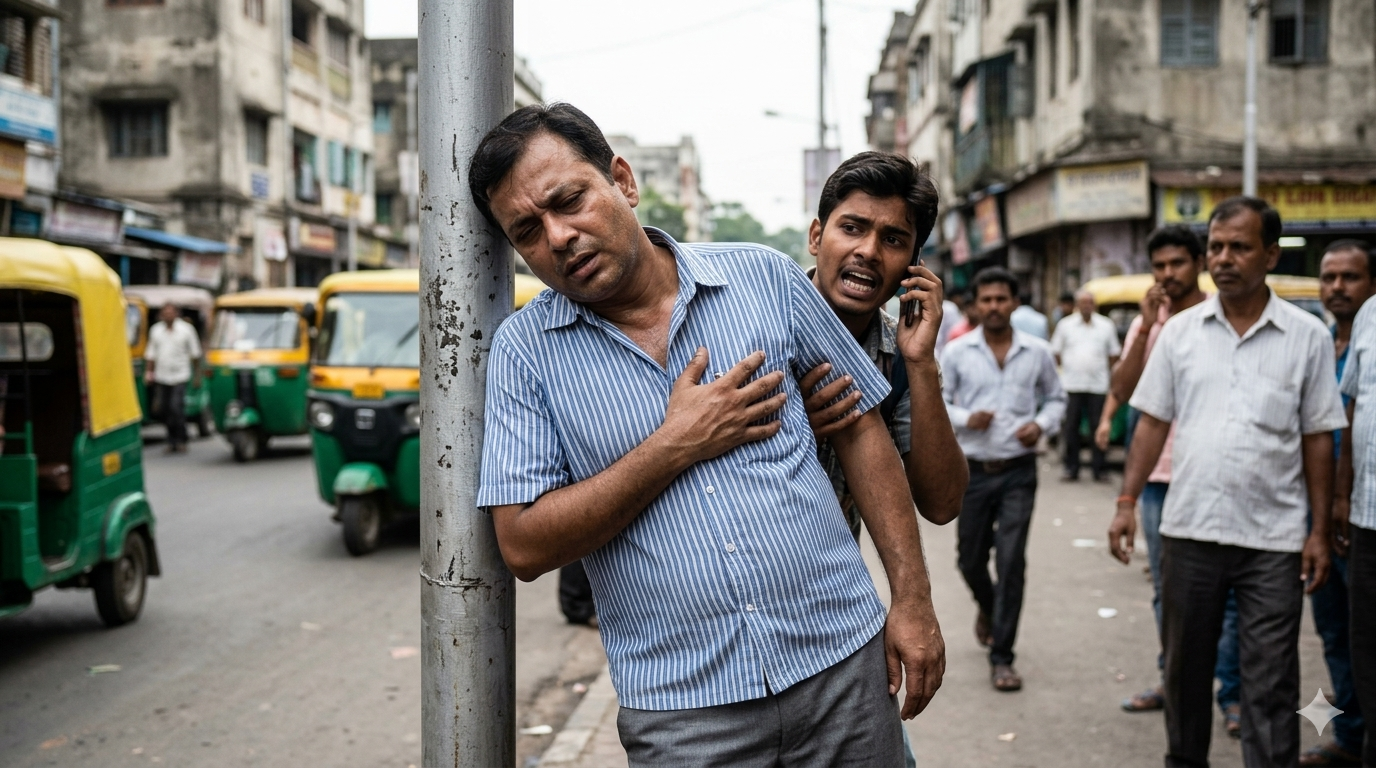
Cardiac arrest is a medical emergency where there's an abrupt loss of heart function and your heart is unable to pump blood. When the heart doesn't pump blood, it puts your organs and the whole body at risk of death within minutes because it cannot function without a constant supply of oxygen. Someone who suffers a cardiac attack may or may not have been diagnosed with heart disease, says the American Heart Association (AHA). "Cardiac arrest is often fatal if proper steps aren't taken right away." The AHA also says that 436,000 Americans die from a cardiac arrest in one year alone.
A cardiac arrest is not the same as a heart attack. While some people use it interchangeably, they are not the same. A heart attack is caused by a blockage that stops blood flow to the heart, but a cardiac arrest affects the heart's electrical system. A heart attack causes death of heart muscle tissue due to the loss of blood supply. It's a circulation problem. A heart attack is a serious condition and can sometimes be fatal. On the other hand, when an individual suffers a cardiac arrest, the heart stops beating immediately. When an individual suffers a cardiac arrest, it can turn out to be fatal immediately if proper steps aren't taken right away. AHA says cardiac arrest may be treated if CPR is performed and a defibrillator shocks the heart and restores a normal heart rhythm within a few minutes.
Signs Of A Cardiac Arrest
Symptoms of sudden cardiac arrest are immediate and severe. They usually occur with no warning. Symptoms of cardiac arrest include:
- Sudden collapse
- No pulse
- No breathing
- Loss of consciousness
Symptoms before a sudden cardiac arrest include:
- Chest discomfort
- Shortness of breath
- Weakness
- Fast-beating, fluttering or pounding heartbeat called palpitations
How To Respond During A Cardiac Arrest
Speaking to NDTV, Dr. Sanjay Kumar, Senior Director - Cardiology at Fortis Hospital Faridabad said, "In the event of a cardiac arrest, a prompt and informed response from bystanders can make the difference between life and death." He emphasised that immediate action is critical as every minute without intervention reduces survival chances significantly. Cardiac arrest occurs when the heart suddenly stops pumping blood effectively, leading to collapse, unresponsiveness and absence of normal breathing. Dr. Kumar shared a guide on how to respond during a cardiac arrest.
The first step is to recognise the signs. If a person collapses, does not respond when spoken to or gently shaken, and is not breathing or is only gasping, cardiac arrest should be suspected. Emergency medical services must be contacted immediately, either by asking someone nearby to call or by placing the call on speaker mode if alone.
Cardiopulmonary resuscitation, or CPR, should be initiated without delay. The person should be laid flat on a firm surface. The rescuer should place the heel of one hand at the centre of the chest, interlock the other hand on top, and begin strong, fast compressions. These should be delivered at a rate of 100 to 120 per minute, with a depth of about five to six centimetres, allowing the chest to fully recoil between compressions.
Trained individuals may add rescue breaths in a cycle of thirty compressions followed by two breaths. This involves tilting the head back, lifting the chin, pinching the nose, and giving a steady breath until the chest rises. However, if untrained, hands only CPR with continuous compressions is strongly recommended and remains highly effective.
The use of an automated external defibrillator, if available, can further improve survival. These devices provide step by step voice instructions and can deliver a life saving shock in certain cases. CPR should be continued until professional help arrives or the person shows signs of recovery.
Disclaimer: This content including advice provides generic information only. It is in no way a substitute for a qualified medical opinion. Always consult a specialist or your own doctor for more information. NDTV does not claim responsibility for this information.