

)
The festive season is about joy, music, dancing, and togetherness. But when hundreds of people gather in walled-in or crowded venues, the environment can go from being a celebration to a crisis within seconds. Whether it's a medical collapse on the dance floor or a sudden fire, your ability to act before the ambulance arrives is the difference between a tragedy and a close call.
Emergency medicine specialists stress that the first few minutes of any crisis are critical. Simple actions taken by bystanders, or ignored due to panic, can determine whether a situation remains a close call or turns into a tragedy. This becomes especially relevant during festive seasons, when dehydration, exhaustion, alcohol consumption, electrical overload, and overcrowding combine to create high-risk environments.
Here are some party emergencies and the protocol that can actually save lives well before medical help arrives.
The Dance Floor Collapse
Before a party, people often get so busy with preparations - outfit, accessories, and make-up - that they forget to hydrate, thus increasing the risk of dehydration or sudden drop in blood pressure. Sometimes the sheer exhaustion and lack of hydration leads to party-goers collapsing on the dance floor.
If you see this happening, don't let a crowd gather around the person who has fallen; they need oxygen to regain consciousness. Lay them flat on their back and elevate their legs about 12 inches. This helps blood flow back to the brain. Do not offer water before they are fully conscious and sitting up, as they might otherwise choke.
The Dizzy And Sick Guest
If someone is already dehydrated and then consumes alcohol at a party, there is a high risk of alcohol poisoning leading to faster intoxication, or even a spike in blood sugar. Since alcohol itself dehydrates, the body cannot handle it if the person is already dehydrated. The biggest danger is aspiration (choking on their own vomit).
Rather than running away from your sick friend, be the one to help your buddy. Use the Recovery Position. Roll them onto their side, tuck their hand under their cheek to tilt the head back, and bend their top leg at a 90-degree angle to "lock" them in place. This keeps the airway clear. When they become conscious, offer water, and help them get home safely.
The Indoor Fire
People partying in clubs and walled areas should always keep in mind the decor, overloaded power strips, or pyrotechnics. Fire is a unique threat because of the speed at which it can spread through decorations, and resulting chaos caused by a panicked crowd.
Indoor parties are often high-risk zones due to a combination of flammable materials and high energy consumption. Overloaded power strips running heavy sound systems, lights draped over dry fabric or paper decorations, and the use of indoor pyrotechnics or candles, can all ignite a fire in seconds. In a confined space, the lack of ventilation can cause the temperature to rise exponentially, and create grounds for a flashover (where everything ignites simultaneously) much faster than in an open area party.
Also Read: Goa Nightclub Fire Tragedy: Why Suffocation Claims More Lives Than Burns
If you ever find yourself in this situation, instantly get down on your hands and knees, start crawling towards the safety exits. Crawling keeps your head in the "safety zone" where visibility is better, and the air is less likely to sear your lungs. In a walled area, smoke rises up and carries toxic chemicals. The breathable air is near the floor.
A crisis in a crowded room instantly triggers an "entrance bias" instinct; people rush towards the main exit resulting in a deadly 'crush' and trapping people at the very doors they entered from. To prevent this, every time you enter a party, take a few seconds to find the two nearest exits out of the room. The main entrance is usually where the crowd will rush to; the fire exits on the side are a better bet.
The Host's "Safety First" Checklist
If you are the one throwing a party, your preparation can prevent a tragedy. Before the first guests start to arrive, plan an exit gate strategy - walk the perimeter of the room and ensure all fire exits are unlocked and completely unobstructed by decorations, furniture, or sound equipment. Prepare your checklist as follows:
- The Kill Switch: You, and at least two or three other people (a relative, the DJ, and one catering or bar staff member) MUST know where the electrical mains are situated, along with power supply switches for lights and sound system.
- Hydration Stations: To prevent people fainting and over-intoxication, place self-serve water stations in highly visible areas. For every bar setup, there should be an equal amount of free water available.
- Clear the Path: Keep hallways and entryways clear of 'trip hazards' like loose cables, raised carpet edges, or coat racks, as these become major obstacles during a fast evacuation.
- Designated First-Responder: Identify one or two guests or staff members who are CPR-certified and sober, and brief them the location of the nearest First Aid kit and AED (Automated External Defibrillator).
- Communication Protocol: Keep a physical card near the entrance or bar with the exact street address and door number of the venue to help anyone calling ambulance services give an accurate location. Also hand the first responders a list of numbers including the host's mobile number and emergency medical services nearby.
In the event of a crisis, immediate action starts with securing the perimeter-signal the DJ to cut the music and flip on the house lights to create a safe, visible "buffer zone" around the victim. Once the area is clear, perform a response check by firmly tapping the shoulders of the person in need of help, and shouting to be heard over the shock of injury. If they don't respond and aren't breathing normally, begin emergency protocol by pointing to the designated first responders.
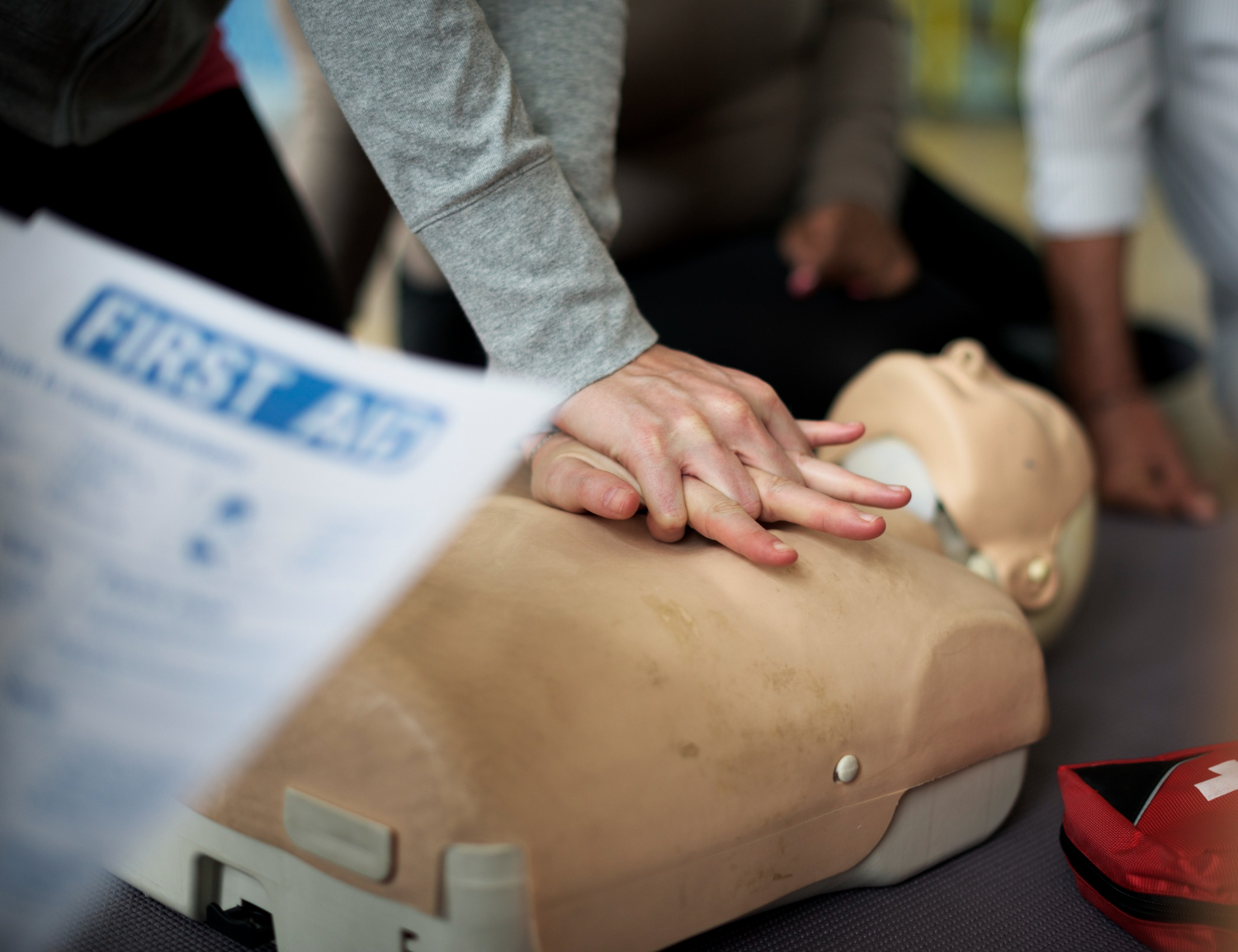
While help is on the way, perform the necessary life-saving intervention: start firm, fast hands-only CPR if they are pulseless, roll them into the recovery position if they are vomiting, or apply heavy body-weight pressure to any severe bleeding. Note down the exact time of injury or collapse, check with the person for allergies and ID card, and pass on the same to paramedics as soon as the ambulance arrives.
These steps can go a long way in averting grave danger at a party, and getting immediate help to anyone affected by such situations.
(By Dr. V. Viju Wilben, Senior Consultant, Clinical Lead & Program Director, Department of Emergency Medicine, Narayana Health City, Bengaluru)
Disclaimer: The opinions expressed within this article are the personal opinions of the author. NDTV is not responsible for the accuracy, completeness, suitability, or validity of any information on this article. All information is provided on an as-is basis. The information, facts or opinions appearing in the article do not reflect the views of NDTV and NDTV does not assume any responsibility or liability for the same.