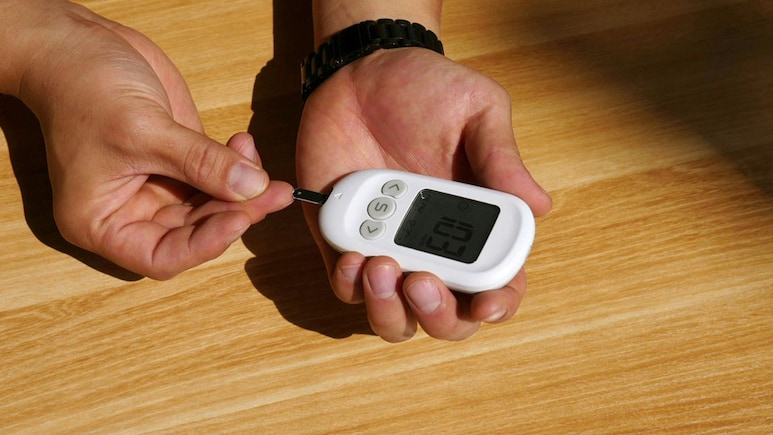
Diabetes has become a global health concern, affecting millions of people worldwide. For individuals living with this condition, managing their blood sugar levels should be a top priority.
While medication can provide relief, wellness coach Raj Ganpath shares natural approaches to help regulate blood sugar levels and achieve optimal health. He suggests focusing on sustainable lifestyle changes to reduce dependence on medication.
In a video shared on Instagram, the health expert says, "HbA1c or blood sugar regulation, how do you improve this without medication using only lifestyle changes?"
Wellness Coach's 3 Tips To Improve Blood Sugar Regulation
1. Start every meal with a cup of fibrous vegetables
"They can be cooked or raw, your call, but make sure they are fibrous and not starchy vegetables," Raj Ganpath says. Fibre plays an important role in regulating blood sugar levels by slowing down gastric emptying, which, in turn, blunts spikes in glucose levels after meals. Over time, a high-fibre diet can also improve insulin sensitivity and promote a healthy gut microbiome.
2. Take a 15 to 20-minute walk after every meal
When you engage in physical activity like walking, your muscle contractions help pull glucose into your cells without requiring as much insulin. This directly reduces spikes in glucose levels after meals. This simple yet effective approach can lower your total daily glucose exposure. Even a short 10-minute walk can make a big difference. Raj says, "This is the most powerful of the three."
3. Replace 25% of starch with protein
"This means remove one fourth of idli, dosa, naan, roti, whatever starch you are eating and replace it with something rich in protein like curd, lentils, meat, eggs, tofu, tempeh, anything that you prefer," the wellness coach explains. This helps lower the glycaemic load of your diet. The approach can also improve satiety, potentially leading to fat loss over time. Preserving lean mass through adequate protein intake may also enhance insulin sensitivity.
"Do these for the next 3 months and watch the magic happen," Raj concludes.
Incorporating these simple, consistent habits into your daily routine can gradually improve blood sugar control and overall metabolic health. However, individuals with diabetes or other medical conditions should consult their healthcare provider before making significant dietary or lifestyle changes.
Disclaimer: This content including advice provides generic information only. It is in no way a substitute for a qualified medical opinion. Always consult a specialist or your own doctor for more information. NDTV does not claim responsibility for this information.
Also Read: No Weight Loss Despite Daily Workout? Experts Break Down The Real Reasons
Track Latest News Live on NDTV.com and get news updates from India and around the world
