)
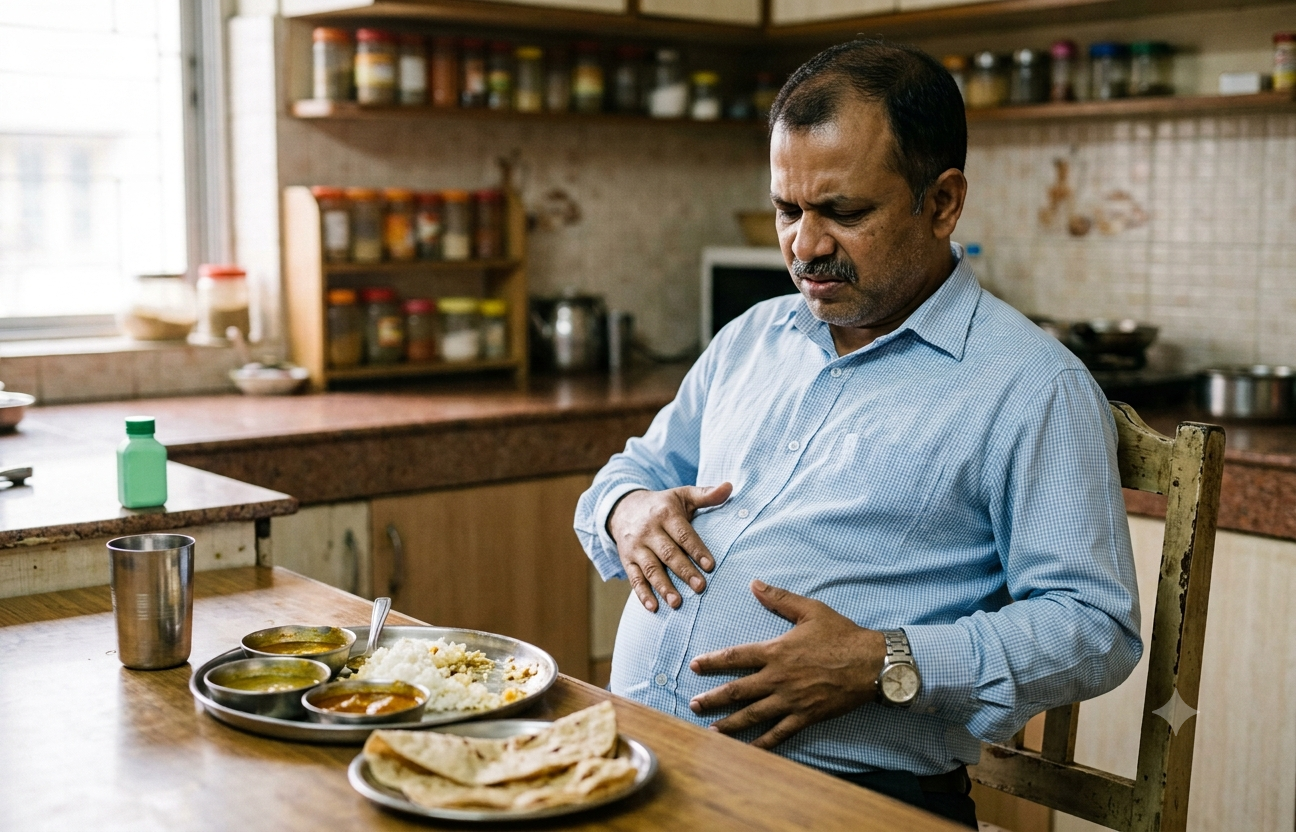
People tend to experience feeling bloated, gassy, or uncomfortable right after eating meals. These issues signal gut health problems that need to be identified via post-food gut health tests. The digestive system focuses on performing its functions when it comes into contact with food in real-time. The simple practice of looking at your gut after eating can be a sure-shot way to look at how your digestive system is working on digesting it. The way the digestive system functions can be influenced by the temperature, food combinations, timing, and the current state of the body's condition. Research published in the Frontiers journal confirms that your digestive system is influenced by issues in around 18% of Indian adults. The prevalence of it increases with age, especially when people are over the age of 45. Pre-existing medical conditions, as well as stress, can cause gut health issues that can make the digestive system difficult.
What Is An After-Food Gut Health Test?
The after-food gut health is based on observing the body's response within 30 to 120 minutes after eating. When the body is in the digestive mode, how it responds can signal whether your gut is having any issues.
You need to track the symptoms that you may experience, such as bloating, gas, and fatigue. This can be done by using breath tests in a medical testing facility under a medical professional's supervision. Food intolerance tests can also signal how food is ingested by the body.
These types of gut health tests can help you identify:
- Food intolerance
- Poor digestion
- Gut imbalance
Practically before gut issues progress to needing medical attention, the body signals subtle signs that need to be noticed timely. These tests become necessary when after eating you happen to experience serious gut reactions that vary from the norm.
Why You May Feel Bloated After Eating
After eating, your body may suffer from gut issues when you don't take into account the speed at which you are eating. Fast eating can influence how the food moves through the system and the resulting effects on the digestive system. Other than the speed of eating, here are the possible causes that you may be triggering gut issues:
- Food intolerances (lactose, gluten) are common as people's system reacts differently to metabolise the food sources.
- Gut microbiome imbalance can lead to gut issues, as the balance of good and bad bacteria is needed for effective digestion.
- Poor enzyme activity can affect how the digestive system breaks down food into nutrients for the body to function.
- High gas-producing foods can trigger gut issues that may include chronic or acute bloating.
The problem of chronic bloating can be visible as the gas gets trapped in your stomach and causes discomfort. There are various ways to identify chronic bloating after meals that you can use to make sure chronic bloating can be medically addressed.
Also Read: AIIMS-Trained Doctor Explains Why Blueberries Are Good For Your Brain And Gut
7 Ways To Identify Chronic Bloating After Meals
1. Track Post-Meal Symptoms
Chronic bloating after meals can occur within 1 to 2 hours alongside gas and cramps, which signal a gut health issue. When eating food, you need to track how your body is reacting and if you are experiencing any symptoms that warrant a medical professional's intervention. It is important to catch any possible issue before it starts to progress and worsen your internal health.
2. Check Food Triggers
If bloating is happening after consuming dairy, fried foods, or certain packaged foods, then the cause is possibly rooted in elimination. Noticing how the gut reacts to different foods is needed to make sure you don't eat foods that can trigger bloating.
3. Monitor Bowel Habits
Your bowel movements as well as any possible constipation or diarrhea signals that your gut needs help. The gut reacts differently and interacts with your brain and body, this is why paying attention to your bowel movements is necessary to assess your gut health.
4. Watch For Energy Crashes
If you feel immediately tired after eating, then your digestive system is struggling to function. Overall gut health needs to be balanced in order to slowly work on breaking down the food that is consumed.
5. Try An Elimination Diet
If you have identified the triggers of chronic bloating from your diet based on the reactions from your gut. Then you need to also go for a food intolerance test to root out the biological cause and make sure how to supplement the lack of nutrients from the eliminated food sources.
6. Look For Persistent Abdominal Swelling
If your stomach is persistently bloating, then it is a warning sign that testing is needed. Bloating may seem harmless, but when it happens every day, it is a possibility that you are suffering from chronic bloating.
7. Get Clinical Tests If Needed
A medical professional can perform the breath test, which can work on identifying if foods with lactose or fructose are triggering bloating. When the gut microbiome is put under the scanner, it can provide a clear picture that your body is lacking certain probiotics, prebiotics, or beneficial bacterial strains to break down the food it is consuming. With new advancements in the gut health field, even AI is used to map the complete gut microbiome, which can be done by a specialist to provide an accurate picture of what is actually going on under the surface.
Also Read: Study Finds Microplastics In Bile: What This Digestive Fluid Does In Your Body
Signs Your Bloating Could Be A Gut Health Issue
The body exhibits certain signs that could signal that chronic bloating is happening. Gut health issues can be linked to these signs, which need your attention:
- Daily bloating
- Pain with meals
- Irregular digestion
- Frequent gas
- Unexplained weight changes
When To See A Doctor
A visit to a gastroenterologist is required when chronic bloating turns into something much more serious. These conditions need immediate attention from a doctor to start treatment after testing is performed. If you experience :
- Bloating lasting weeks
- Severe pain
- Blood in stool
- Sudden weight loss
How To Improve Gut Health And Reduce Bloating
Your gut health needs to be maintained by practising the right gut-friendly tips that can ensure it functions properly. When there is an onslaught of heat stress, timing issues, and possible triggering food combinations, then you need to follow:
- Eat slowly, as the pace of your eating determines how the digestive system metabolises the food. Increase fibre gradually as your gut needs a balance of fibre to function properly.
- Stay hydrated as the body needs a balance of water to perform bodily processes.
- Add probiotics, as the gut could benefit from them while digesting food. Reduce intake of ultra-processed foods as they affect the gut in a negative manner, specifically on the intestinal lining.
Bloating is not always "normal," as when it turns chronic, then the issue becomes medical. Using simple gut health tests can ensure your gut can function properly.
Disclaimer: This content including advice provides generic information only. It is in no way a substitute for a qualified medical opinion. Always consult a specialist or your own doctor for more information. NDTV does not claim responsibility for this information.