

)
Introducing solid foods is an exciting milestone for both babies and parents. However, this transition, also known as weaning, is also a major change for a baby's digestive system. As new foods are added to the diet, the gut needs to adapt to different nutrients while continuing to support healthy growth and immunity. Scientists have long known that breast milk provides important nutrition during this stage, but new research shows it may do much more than previously believed.
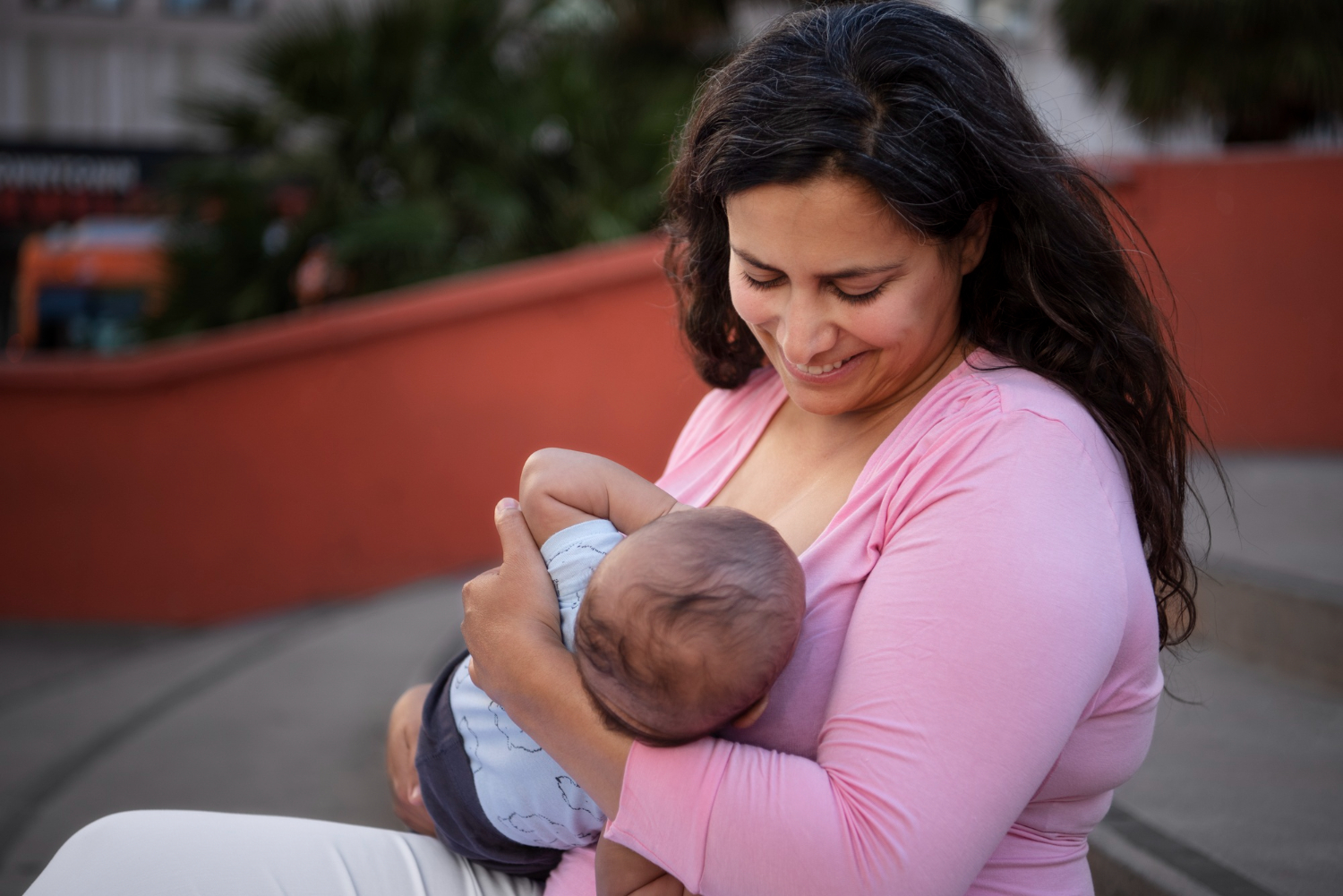
A recent study published in Nature Communications found that special sugars in breast milk continue to shape a baby's gut bacteria even after solid foods are introduced. These sugars, called human milk oligosaccharides (HMOs), help certain beneficial bacteria grow during weaning. The findings suggest that continuing breastfeeding while introducing solid foods may support the development of a healthier gut microbiome with benefits that could go beyond infancy.
What Are Human Milk Oligosaccharides?
Human milk oligosaccharides, or HMOs, are special sugars found naturally in breast milk. Surprisingly, babies cannot digest these sugars themselves. Instead, HMOs act as food for beneficial bacteria living in the baby's gut. By feeding these good bacteria, HMOs help create a balanced gut microbiome. A healthy gut microbiome supports digestion, strengthens the immune system, and helps protect against harmful germs.
Maher Abou Hachem, professor at DTU Bioengineering and senior author of the study, said, "We have long known that breastfeeding is important for infants' health. What is new is that we can now explain how the sugars in breast milk, HMOs, also help to select the bacterial communities associated with a healthy gut microbiota later in life. This underlines the importance of combining breastfeeding with solid baby food at this stage of child's development."
What Happens During Weaning?
Weaning is the period when babies gradually move from an all-milk diet to eating solid foods. During this time, the gut is exposed to new types of nutrients, especially plant fibres found in fruits, vegetables, and cereals. Researchers discovered that some beneficial gut bacteria are able to use both HMOs from breast milk and fibre from solid foods. This gives them a unique advantage during weaning because they can continue to grow as the baby's diet changes. As these bacteria become more established, they help the gut mature into a healthier and more stable environment.
What Did The Study Find?
Researchers followed changes in the gut bacteria of infants during different stages of weaning. They also grew these bacteria in laboratory conditions to understand how they behaved when exposed to breast milk sugars and dietary fibre.
The study found that bacteria capable of using both HMOs and plant fibre became more common during weaning. These bacteria were better at adapting to the changing diet than bacteria that could only use one food source. Scientists believe this process helps shape the gut microbiome into the adult-like community that remains throughout life.
Why Does This Matter For Babies?
The gut microbiome plays an important role in overall health. It helps digest food, supports immune function, produces beneficial compounds, and may even influence long-term health. This study suggests that breastfeeding continues to offer benefits even after babies begin eating solid foods. The combination of breast milk and solid foods creates the right environment for helpful bacteria to grow, allowing the gut to develop naturally during this stage.
Although every family's feeding journey is different, the findings provide another scientific reason why continuing breastfeeding during weaning may be beneficial.
Could This Improve Infant Nutrition?
The researchers believe these findings could help develop better nutritional strategies in the future. A deeper understanding of how HMOs work may improve infant formulas and other nutrition products designed for babies who cannot be breastfed.
The study also highlights weaning as a critical period for building a healthy gut microbiome. Supporting good bacteria during this stage may reduce the risk of health problems linked to an unhealthy gut later in life, although more research is needed to confirm these long-term effects.
Lise Aunsholt, Consultant from the Department of Intensive Care for Newborns and Young Children at Rigshospitalet, said, "The findings are important in daily clinical practice as an additional justification to the already strong emphasis on promoting the mother's own milk production and breastfeeding when infants and young children are admitted to a neonatal intensive care unit due to preterm birth or critical illness."
She adds, "It is encouraging to know that when we advise a mother to continue breastfeeding after discharge - and for as long as possible during the transition to solid foods - this will potentially have a positive impact on the child for the rest of their life."
The move from breast milk to solid foods is more than just a dietary change. It is also a crucial stage in the development of a baby's gut. This new study shows that the unique sugars in breast milk continue to help the growth of beneficial bacteria during weaning, working alongside fibre from solid foods to build a healthier gut microbiome.
Disclaimer: This content including advice provides generic information only. It is in no way a substitute for a qualified medical opinion. Always consult a specialist or your own doctor for more information. NDTV does not claim responsibility for this information.