

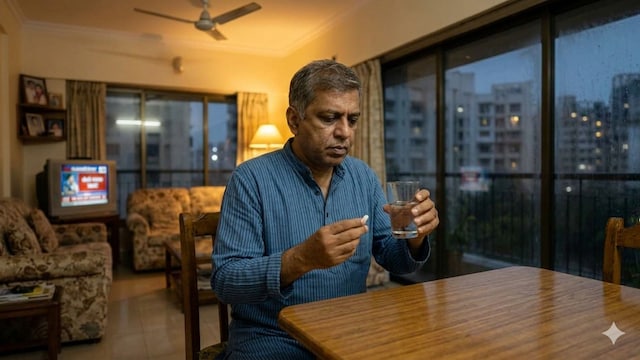
High blood pressure, or hypertension, is a common yet serious health concern. When left uncontrolled, elevated blood pressure can lead to serious complications. It increases the risk of heart disease, stroke, kidney damage, and other cardiovascular problems. Keeping blood pressure within a healthy range helps ensure that the heart and blood vessels function effectively, reducing the strain on these systems and lowering the risk of long-term health issues. For some individuals, maintaining healthy blood pressure requires daily medication. This is often the case for those with chronic hypertension, where lifestyle changes alone may not be sufficient to control blood pressure levels. Medications help to manage the condition by either relaxing blood vessels, reducing blood volume, or influencing heart rate, leading to better blood pressure control.
For those who are prescribed blood pressure medications, it's vital to take them consistently. However, it is not uncommon to miss a dose or two on some days.
Understanding the impact of skipping blood pressure medication
Forgetting a single dose of blood pressure medication typically causes a temporary spike in blood pressure, which is typically harmless. However, missing doses frequently increases your long-term risk of heart attack, stroke, and kidney damage.
Short-term effects
- Your blood pressure may rise back towards its baseline
- You might experience headaches, dizziness, or a racing heart
- Many people feel completely normal and do not experience any symptoms at all
READ | High Blood Pressure Without Symptoms: The Silent Risk Factor Behind Many Strokes
Long-term risks after missing multiple doses
- Consistently high pressure damages and stiffens your blood vessels
- Chronic hypertension damages the kidneys, eyes, and brain over time
- Your risk of suffering a stroke, heart attack, or heart failure increases significantly
What should you do next?
- Take the missed dose as soon as you remember if it is close to your scheduled time
- Skip the missed dose if your next scheduled dose is only a few hours away
- Do not take two doses at the same time to make up for a missed one
- Consult your doctor if you have missed multiple days
- Sit quietly and avoid strenuous activity or intense stress for the next few hours
- Pay close attention to how you feel physically over the next 12 to 24 hours
- If you have a home blood pressure monitor, check your numbers to see if they are elevated
READ | What Does 'Medical Grade' Actually Mean? 5 Things To Check Before Buying Health Devices
When to Seek Urgent Medical Care
Do not ignore these red flags:
- Severe, crushing chest pain or pressure
- Sudden shortness of breath
- A sudden, severe headache
- Numbness, weakness, or tingling on one side of your face or body
- Sudden changes in vision or difficulty speaking
To conclude, if someone misses a dose, they should follow the specific guidelines provided by their doctor- typically, this involves taking the missed dose as soon as possible unless it's close to the time for the next dose. In such cases, it's advisable to skip the missed dose to avoid taking two doses at once. Regular monitoring and communication with a doctor can help manage any potential issues that arise from missed doses.
Disclaimer: This content including advice provides generic information only. It is in no way a substitute for a qualified medical opinion. Always consult a specialist or your own doctor for more information. NDTV does not claim responsibility for this information.