

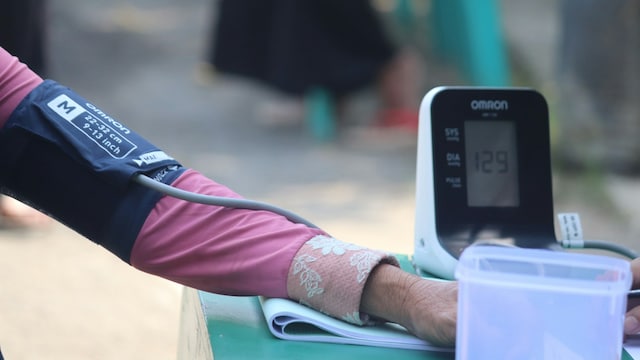
High blood pressure goes unnoticed and untreated for years because there are no obvious symptoms. You can be fully functional at work and with family and hobbies and even perform sports activities with elevated blood pressure. A person can have high blood pressure for years and not know it. Because there are no warning signs, the false security of high blood pressure lets major damage to the body from stroke occur before there are signs and symptoms.
Blood pressure is the pressure of the blood against the artery wall. When pressure is chronically high, there is excessive stress on blood vessels and stress is added to the vessels of the brain. Chronically high blood pressure will damage the thin lining of the arteries. Once damaged, fatty deposits will form, making the arteries more prone to blockage and/or rupture. This is why chronically high blood pressure is one of the risk factors for a stroke.
Why are symptoms for high blood pressure elusive?
There are symptoms of high blood pressure, but they are not like symptoms of other common illnesses. Symptoms like headaches, dizziness, fatigue, and blurry vision can happen when someone has high blood pressure, but these symptoms are not specific to high blood pressure and not everyone has these symptoms when they have chronically high blood pressure.
If high blood pressure is undetected, a person will unknowingly continue to do damage to their vascular system. Many times, high blood pressure is only detected after an incident or a routine health check. Because high blood pressure is an undetectable condition, the only way to determine its presence is by monitoring it, not by assessing if there are symptoms.
READ | Step Counts To Sleep Scores, Smartwatches Can Shape Health Habits. Here's How
How does hypertension increase the risk of stroke?
A stroke is the interruption of the brain's blood supply. High blood pressure contributes to this both by obstructing the brain's blood supply and by allowing it to spill outside the brain's vascular system.
In an ischemic stroke, long standing hypertension results in damage to the arteries and the formation of atherosclerosis within them. Long standing hypertension can also cause damage to the small blood vessels within the brain. This makes them susceptible to occlusion.
A hemorrhagic stroke is the result of the rupturing of an arterial vessel, which leads to blood in or around the brain. Hypertension leads to a persistent increase of pressure, which puts mechanical stress on blood vessel walls and leads to rupture. It can also cause gradual damage to blood vessels within the brain, leading to cerebral small vessel disease. This damage causes progressive impairment to mobility, thinking and memory.
This doesn't happen right away. Instead, a series of incidents caused by high blood pressure, typically along with other risk factors like diabetes, obesity, inactivity, smoking, and drinking, can cause this disease to build up. This is particularly problematic because high blood pressure can cause the conditions of its co-risk factors to worsen and thereby increase blood pressure even more.
Who is most at risk?
Although most people associate high blood pressure with the ageing process, this isn't always the case. Excess body weight, a sedentary lifestyle, high sodium consumption, and poor sleep habits are some risk factors that younger people may have. Alcohol consumption, as well as heredity, also plays a large part in the risk of high blood pressure for the younger generation.
Other conditions that can lead to high blood pressure include kidney disease and obstructive sleep apnea. Some young people may have a specific cause for the elevated blood pressure that requires medical investigation.
It is also important not to think that an apparently healthy lifestyle offers complete protection. Regular physical activity and a well-rounded diet can help lower your risk, but it doesn't mean you won't develop hypertension. Blood pressure may be influenced by family history, medical conditions, and other factors.
The importance of regular monitoring
Even if you feel fine, measuring blood pressure is a routine part of preventive health care. A high reading doesn't always mean a diagnosis. Stress, physical activity, caffeine and an incorrectly sized cuff can all affect the reading. Repeated measurements, taken under appropriate conditions, provide a more reliable picture.
For an accurate reading, sit quietly for five minutes, keep your back supported and feet flat on the floor, and rest your arm at heart level. Avoid smoking, caffeine and exercise for at least 30 minutes beforehand. If a reading is elevated, repeat it after a short interval and discuss persistently high readings with a healthcare professional. Home monitoring may also help identify patterns that are missed during occasional clinic visits.
What can people do to reduce their risk?
Managing hypertension requires a consistent, long-term approach. Reducing salt intake, eating more vegetables and fruit, maintaining a healthy weight, exercising regularly, avoiding tobacco, limiting alcohol and getting adequate sleep can all help. People with sleep apnoea should seek appropriate assessment and treatment.
Lifestyle changes are important, but they may not be sufficient for everyone. When medication is prescribed, it should be taken consistently, and treatment should not be stopped simply because blood pressure readings improve or symptoms are absent. The appropriate target and treatment plan depend on an individual's overall health and cardiovascular risk.
Finally, recognising the warning signs of stroke remains essential. Sudden facial drooping, weakness or numbness in an arm or leg, difficulty speaking, loss of balance or a sudden change in vision requires immediate emergency medical attention. Do not wait for symptoms to improve or attempt to manage them at home.
High blood pressure is a silent risk, but its consequences are not inevitable. Detecting it early, managing it consistently and recognising stroke symptoms promptly can substantially reduce the likelihood of a devastating event. The most important lesson is simple: feeling healthy does not necessarily mean your blood pressure is under control.
(By Dr. Deep Das, Consultant and Interventional Neurologist, CK Birla Hospitals, CMRI Kolkata)
Disclaimer: The opinions expressed within this article are the personal opinions of the author. NDTV is not responsible for the accuracy, completeness, suitability, or validity of any information on this article. All information is provided on an as-is basis. The information, facts or opinions appearing in the article do not reflect the views of NDTV and NDTV does not assume any responsibility or liability for the same.