

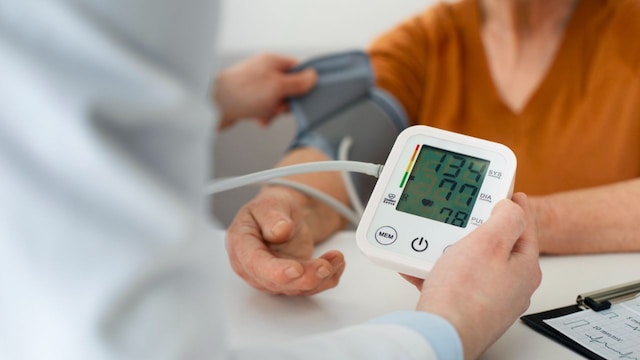
Health gadgets and wellness products often use terms such as "medical grade", "hospital quality" and "doctor recommended". From smartwatches and blood pressure monitors to thermometers and pulse oximeters, these claims can make a product appear more reliable. However, a label does not establish whether a device is safe, accurate or suitable for medical use. Before purchasing a product, it is important to understand what the manufacturer is promising and whether there is evidence to support it.
Speaking to NDTV, Dr Niraj Kumar, Senior Consultant, Internal Medicine, ShardaCare - Healthcity, said that consumers should distinguish between marketing language and verified medical performance. A device that tracks general health trends may not be suitable for diagnosing a disease. Even if a device looks professional or carries familiar certification symbols, buyers should check its intended use, regulatory status and supporting evidence. Knowing what to look for on the box can help consumers make informed choices.
What Does "Medical Grade" Actually Mean?
The phrase "medical grade" suggests that a product meets high standards of quality or performance. However, its meaning depends on the product, the claims being made and the applicable regulations. The label should not be treated as automatic proof that a device has been tested for every medical purpose. A gadget may be designed to track general wellness, while another may be intended to measure a specific health parameter for clinical use.
For example, a smartwatch that records heart rate can help users understand changes in their pulse during exercise or rest. However, its readings alone cannot confirm or rule out a heart rhythm disorder. Therefore, consumers should check beyond the label as to what the device really does.
1. Check The Intended Use
The first thing to look for is the product's intended use. This tells you whether it is designed for general wellness, monitoring a particular measurement or supporting a medical assessment. "The first thing to check is the product's intended use. A device designed to track general wellness may not be suitable for diagnosing or monitoring a disease," said Dr Kumar. A device that tracks sleep patterns or daily activity may be useful for understanding lifestyle habits, but it will not help diagnose a medical condition. Read the packaging and instructions carefully.
2. Manufacturer And Regulatory Details
A reliable product should clearly identify its manufacturer, model number and relevant regulatory information. The packaging or accompanying documents should provide details for consumers to understand who made the device and which product you are buying. In India, certain medical devices are regulated under the Medical Devices Rules, 2017, and may require applicable licences or registration. Be careful about logos and certification symbols that appear on the box.
3. Check For Clinical Validation
Clinical validation helps establish whether a device performs well for its stated purpose. This is important for products that measure blood pressure, body temperature or blood oxygen levels, as inaccurate readings may affect decisions. Look for credible data and independent validation relevant to the specific device and its intended use. For example, a blood pressure monitor should have evidence supporting the accuracy of its measurements, rather than relying only on the manufacturer's claims. Statements such as "doctor recommended", "hospital quality" or "advanced medical technology" are not substitutes for evidence.
4. Read The Instructions, Warnings And Limitations
The box may contain only a brief description, so check the user manual or official product information before making a purchase. These documents should explain how to use the device correctly, interpret its readings and maintain it. "Examine the instructions for use, contraindications, warranty and customer support. The box should clearly identify the manufacturer or authorised representative, provide contact details and explain how to use the device correctly," added Dr Kumar.
5. Be Cautious Of Exaggerated Promises
Dr Kumar said, "Be cautious of products promising instant diagnosis, guaranteed accuracy or the detection of multiple diseases without credible evidence." No device should be considered reliable simply because its packaging promises quick answers. Check whether the claims are supported by credible evidence and whether the product is intended for the specific medical purpose being advertised.
Know When To Consult A Doctor
Even a well-validated device has limitations. Home monitoring can help people track changes and share useful information with their doctors, but readings must be interpreted in the context of symptoms, medical history and other clinical findings. If a device repeatedly shows unusual readings, seek professional advice instead of relying entirely on the gadget.
"Ultimately, 'medical grade' should never be accepted as proof of medical reliability on its own. Consumers should evaluate the device's intended use, regulatory status and supporting evidence. Health gadgets can complement medical care, but they should never replace professional evaluation when symptoms or abnormal readings arise," added Dr Kumar.
Disclaimer: This content including advice provides generic information only. It is in no way a substitute for a qualified medical opinion. Always consult a specialist or your own doctor for more information. NDTV does not claim responsibility for this information.