

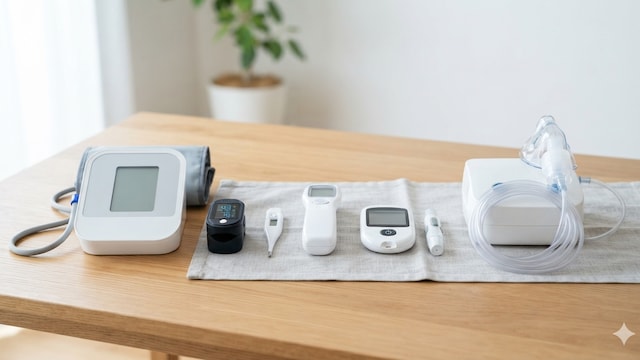
Regular health check-ups with your doctor are important, but monitoring vital signs at home can help detect health issues early. This information can be crucial during medical emergencies. Having the right medical devices readily available can significantly impact your response to emergencies, minor health concerns, or routine health monitoring. For Indian households, particularly those with elderly family members or children, dependable medical devices can save valuable time before reaching a doctor's office. While the list of potential medical devices is extensive, here are five essential items that should be included in every home medical kit.
5 medical devices you must have at your home
1. Digital thermometer
A digital thermometer is one of the most fundamental medical devices you should have at home. It allows you to quickly and accurately measure body temperature, helping you determine if you or a family member has a fever. Digital thermometers are safer than old mercury ones. Infrared (forehead) thermometers are highly convenient for checking temperatures in sleeping children without waking them. Regularly checking temperature can help in early detection of illnesses and can guide whether a visit to the doctor is necessary.
2. Blood pressure monitor
High blood pressure can be a silent killer, often going unnoticed until serious health issues arise. A home blood pressure monitor is crucial for anyone with pre-existing conditions or those at risk for hypertension. A digital BP monitor helps track cardiovascular health regularly without frequent clinic visits. Regular monitoring can aid in managing blood pressure levels and help health professionals make informed decisions regarding treatment plans. If you have concerns about your heart health, keeping a daily log of your readings can also assist your doctor in assessing your condition. Take readings while sitting quietly, keeping the arm cuff at heart level for accuracy.
READ | Fitness Rings: Benefits, Risks, Who Should Buy One And Who Should Avoid
3. Nebuliser
A nebuliser converts liquid medication into a fine mist, allowing it to be inhaled directly into the lungs. With rising air pollution levels across major Indian cities and high instances of childhood asthma or bronchitis, a nebuliser provides rapid relief during acute breathing distress. Always wash and completely air-dry the medicine cup and mask after each use to prevent bacterial contamination.
4. Glucose monitor
India is often referred to as the diabetes capital of the world. A glucometer is indispensable if anyone in the household is diabetic or pre-diabetic. Regular monitoring helps maintain optimal blood sugar levels and can prevent complications related to both hyperglycemia and hypoglycemia. Many glucose monitors are compact, easy to use, and provide quick results with just a small blood sample. Along with an educational component about diet and exercise, having this device enables individuals to manage their condition proactively, ensuring a healthier lifestyle.
READ | Checking Your Blood Sugar At Home? Avoid These Mistakes For Accurate Results
5. Pulse oximeter
Familiar to most households after the Covid-19 pandemic, a pulse oximeter is a non-invasive device that measures the oxygen saturation level of your blood. This tool can be particularly beneficial for individuals with respiratory conditions such as asthma, COPD, or Covid-19. It is easy to use; you simply place your fingertip into the device, and it provides immediate readings. Monitoring oxygen levels can help identify potential breathing issues early on, allowing for prompt medical attention if oxygen levels fall below normal.
From monitoring basic health metrics like temperature and blood pressure to being prepared for minor emergencies, having the right tools on hand empowers you to take proactive steps for better health management.
Important maintenance tips:
- While devices don't expire quickly, glucometer test strips definitely do. Never use expired strips.
- Remove batteries if storing a device long-term to prevent acid leaks from ruining the internal circuits.
- Have your BP monitor checked against a manual reading at your doctor's clinic once a year to ensure it remains accurate.
Remember, regular check-ins with your doctor and maintaining your medical devices will further enhance your preparedness and well-being at home.
Disclaimer: This content including advice provides generic information only. It is in no way a substitute for a qualified medical opinion. Always consult a specialist or your own doctor for more information. NDTV does not claim responsibility for this information.