

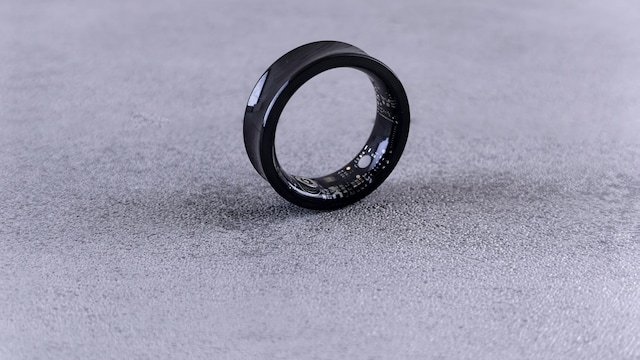
Fitness rings like Oura and RingConn are emerging as a popular alternative to smartwatches for people who want to monitor their health without wearing a screen on their wrist. From sleep duration and heart rate variability (HRV) to daily movement and recovery, these compact wearables offer a snapshot of selected health parameters, often around the clock.
For Indians balancing sedentary office jobs, long commutes, irregular sleep schedules and fitness goals, the technology can provide useful reminders to move more, sleep better and pay attention to recovery. However, tracking health is not the same as diagnosing a medical condition, and a higher volume of data does not automatically mean better health.
Cardiologist Dr Balbir Singh, Group Chairman, Cardiac Sciences, Pan Max, and Chief of Interventional Cardiology and Electrophysiology, Max Hospital, Saket, believes fitness rings can be useful when their readings are interpreted correctly. Kailash Menon, Founder of Lakshya Strength and Conditioning, cautions against becoming overly dependent on wearable data.
And while expert voices highlight technical and medical benefits as well as limitations, what do actual users find useful or limiting? Rohan Tyagi, Chief of Product and Digital Tech at NDTV, who has been using an Oura Ring 5 for a month, says it has helped him make better decisions about sleep and daily activity, although he switches to an Apple Watch for certain workouts.
So, are fitness rings worth buying? Here is what experts recommend.
What Do Fitness Rings Track?
Depending on the device, fitness rings can track or estimate:
- Sleep: Duration, timing, interruptions and sleep stages.
- Heart rate and HRV: Heart rate patterns and variations between consecutive heartbeats, which may provide insights into recovery and physiological stress.
- Physical activity: Steps, movement and estimated calorie expenditure.
- Blood oxygen: Some models estimate blood oxygen saturation (SpO2).
- Heart rhythm: Certain compatible devices can record an ECG to help assess specific rhythm abnormalities.
Not every ring offers all these features, and readings can vary in accuracy. They should be treated as estimates rather than definitive medical measurements.
Fitness Rings: Benefits And Advantages
1. Better sleep and recovery tracking
Fitness rings can help users recognise patterns such as insufficient sleep, inconsistent bedtimes or changes in resting heart rate. This information may encourage healthier routines. Tyagi says, "Yes, its pretty effective in terms of tracking sleep and movements. I am able to make better decisions in terms of sleeping and daily activity habits like ensuring minimum steps or calories spent."
His experience reflects one of the technology's practical benefits: turning everyday habits into measurable patterns that users can act on. A 2024 study published in Sleep Medicine found that the Oura Ring Generation 3 showed good agreement with laboratory polysomnography for several overall sleep measures. However, consumer sleep trackers are not equally accurate for every measurement, particularly individual sleep stages.
2. Encouraging daily movement and exercise
Fitness rings can prompt users to walk more, reduce prolonged sitting and pay attention to recovery after exercise. For people working desk jobs or spending hours commuting, these reminders can be useful.
Menon says wearables offer athletes valuable data points for planning training and recovery. However, he emphasises that tracking alone does not improve fitness. "The watch or the ring won't make you fit, strong, or healthy. What matters is the information it gives and what you do with that information to optimise your health further," he says.
3. Additional information for doctors
Some wearables offer ECG recordings that can capture heart rhythm information when symptoms occur. These recordings may help a doctor assess intermittent palpitations or suspected rhythm abnormalities.
Dr Singh recommends that patients who have been advised to record their heart rhythm use compatible devices to capture symptoms when they occur and share the results with their doctor.
However, a consumer wearable ECG cannot independently rule out a heart attack. Chest pain, breathlessness, fainting or other potentially serious symptoms require urgent medical assessment, regardless of what the device displays.
READ | Deepinder Goyal Explains What The Temple Device Does, How To Use It
Fitness Rings: Risks And Side Effects
1. Health anxiety and obsessive tracking
Constantly checking sleep scores, HRV or heart rate alerts can make some users anxious about normal physiological fluctuations.
Dr Singh says he sees patients who become worried about their pulse readings, including fluctuations that may be normal or caused by inaccurate measurements. Heart rate naturally changes with physical activity, emotions, sleep and other factors.
Menon warns that excessive dependence on trackers can weaken people's confidence in their own understanding of their bodies. He recommends assessing how rested you feel on a scale of one to 10 before checking your sleep score, then comparing your perception with the device's estimate.
2. Inaccurate readings and false reassurance
Poor fit, movement and sensor limitations can affect readings and trigger unnecessary alerts. Conversely, normal readings do not guarantee that a person is healthy or rule out an underlying condition.
Dr Singh advises users to understand the meaning and limitations of the information displayed rather than interpreting every alert as a warning of disease.
3. Workout discomfort and practical limitations
Fitness rings may not suit every activity. Tyagi says he avoids wearing his ring during some strength-training sessions because dumbbells and barbells can make it uncomfortable and risk scratching or damaging the device.
"For running I prefer Apple watch, to see distance, steps, heart-rate and other running metrics live on screen," he says. He also highlights battery life and comfort as important considerations. "For me personally if I have to wear something entire day and forget about it, it's the ring. It's really light and comfortable," he says, adding that its form factor allows him to wear his collection of conventional watches without having to wear two bands.
Who Should Buy A Fitness Ring And Who Should Avoid One?
Fitness rings may suit people who want to monitor sleep, movement and recovery, or athletes who use trends to inform training decisions. They can also help users identify habits that need improvement.
However, they are not essential for maintaining good health. People who frequently worry about their health, compulsively check numbers or become distressed by fluctuating scores should consider whether continuous monitoring might worsen their anxiety.
Tyagi says the choice should depend on the wearable's form factor, price and software. He considers his ring a worthwhile investment for sleep tracking and all-day wear, and finds notifications relating to stress or possible illness useful. However, these notifications are prompts, not medical diagnoses.
Before buying one, compare features, comfort, battery life, app and subscription costs, privacy policies and compatibility with your routine. Consider whether a ring, watch or fitness band better suits your needs.
READ | Can Your Smartwatch Detect An Irregular Heartbeat? What Cardiologists Want You To Know
How To Use Fitness Rings Correctly
- Look at trends, not isolated readings: One poor sleep score or low HRV reading does not establish a health problem.
- Understand the metrics: Learn what the device measures and what it cannot tell you.
- Listen to your body: Compare readings with how rested, energetic or recovered you actually feel.
- Wear the device correctly: Follow the manufacturer's instructions to minimise measurement errors.
- Consult a doctor when needed: Share relevant recordings and seek medical assessment for persistent concerns or symptoms.
- Prioritise the basics: Regular exercise, balanced nutrition, adequate sleep and daily movement matter more than expensive technology.
Fitness rings can be useful tools for building healthier routines, monitoring selected health patterns and informing conversations with doctors. But their benefits depend on realistic expectations and responsible use.
As Dr Singh points out, they should not be treated as doctors, while Menon stresses that data only matters when it informs meaningful action. Tyagi's experience also illustrates that no single wearable necessarily suits every activity.
The bottom line, buy a fitness ring if its features fit your needs, but do not let its numbers override your judgement, your body's signals or professional medical advice.
Disclaimer: This content including advice provides generic information only. It is in no way a substitute for a qualified medical opinion. Always consult a specialist or your own doctor for more information. NDTV does not claim responsibility for this information.