

)
Your kidneys play a crucial role in maintaining overall health. They are primarily responsible for filtering waste and excess fluids from the blood. They also help produce hormones that support red blood cell production and contribute to bone health by activating vitamin D. When the kidneys are functioning properly, they help maintain a stable internal environment, which is crucial for all bodily functions. However, kidney disease is becoming a global health crisis. Lifestyle-related choices and chronic conditions primarily drive the rise. Diabetes is one of the leading causes of kidney disease. It damages the kidneys through a slow, progressive process that primarily targets the organs' delicate filtering systems. This condition is medically known as diabetic nephropathy or diabetic kidney disease (DKD).
The increasing prevalence of diabetes is silently fueling kidney disease among the population by destroying the organ's delicate filtering system.
Understanding diabetes as a risk factor for kidney disease
"Diabetes is one of the leading causes of kidney failure globally. It impacts the kidney's blood microvessels responsible for filtering waste and excess fluid from the blood," says Dr . Vishal Saxena, Principal Director - Nephrology and Kidney Transplant, Max Hospital, Gurugram.
"High blood glucose levels in diabetes progressively damage the small units in the kidney responsible for filtering, causing them to thicken and gradually lose their filter function. This could cause protein to leak into your urine and result in a decline in kidney function."
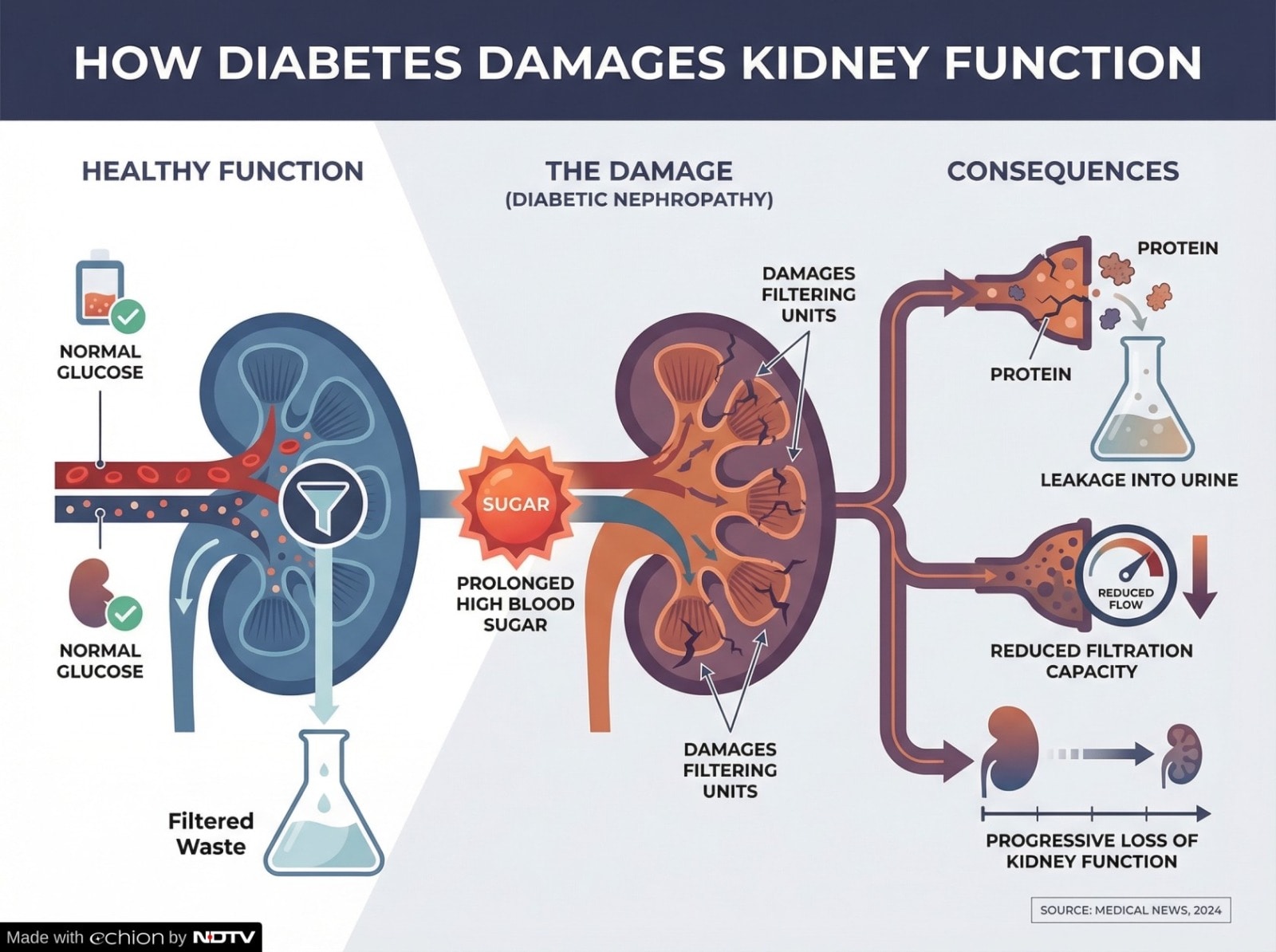
Research from the Centers for Disease Control and Prevention (CDC) shows that approximately one in three adults with diabetes may develop chronic kidney disease. In early stages, patients may not notice symptoms. However, as kidney function declines, symptoms may include fatigue, swelling in the legs or ankles and changes in urination patterns.
What should you do if you have diabetes?
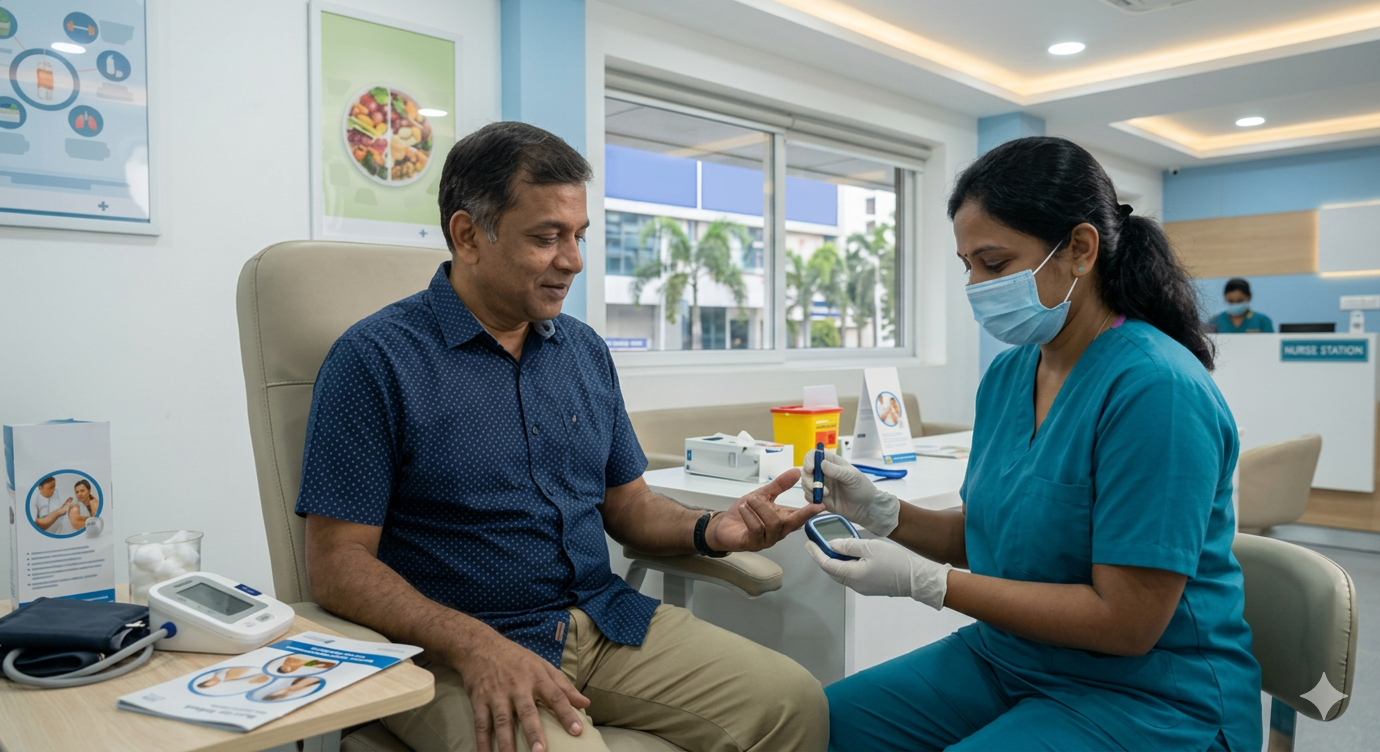
"One challenge is that early kidney damage develops without any noticeable symptoms; therefore, regular screenings that include blood and urine tests are essential to detecting problems early for individuals with diabetes," Dr. Saxena advises.
Additionally, it is essential to maintain excellent blood glucose, following a well-balanced diet, restricting sodium intake, exercising regularly, and avoiding unnecessary medications to protect your kidneys and prevent long-term complications.
Other risk factors for kidney disease
Several other factors can increase the risk of developing kidney disease, including:
- Family history: A genetic predisposition can increase susceptibility to kidney disease
- Age: The risk of developing kidney disease increases with age
- Obesity: Being overweight can lead to conditions such as diabetes and high blood pressure, which further increase the risk for kidney disease
- Smoking: Smoking affects blood flow to the kidneys and can exacerbate high blood pressure and diabetes
- Excessive use of painkillers: Prolonged use of non-steroidal anti-inflammatory drugs (NSAIDs) can harm kidney function
Some tips to maintain kidney health
- Drinking plenty of water helps the kidneys function better by flushing out toxins and minimising the risk of kidney stones.
- Regular monitoring and management of blood pressure and blood sugar levels can help protect kidney health.
- A diet low in salt, sugar, and unhealthy fats supports kidney function. Incorporate fresh fruits, vegetables, whole grains, and lean proteins.
- Staying active helps maintain a healthy weight and lowers the risk of high blood pressure and diabetes.
- Smoking cessation improves blood flow and reduces the risk of kidney damage, while limiting alcohol can help manage blood pressure.
- Routine screenings can help detect kidney problems early, especially for those at higher risk, allowing for prompt treatment.
Kidney disease doesn't cause pain in early stages; many remain undiagnosed until the disease is irreversible and requires dialysis or a transplant. By taking these steps, you can help maintain healthy kidneys and reduce your risk.
Disclaimer: This content including advice provides generic information only. It is in no way a substitute for a qualified medical opinion. Always consult a specialist or your own doctor for more information. NDTV does not claim responsibility for this information.