

)
Diabetes and high blood pressure are among the most common chronic diseases worldwide, and both can have serious long-term effects on kidney health. Often called the body's natural filtration system, the kidneys remove waste, balance fluids and regulate blood pressure. But when these organs are exposed to prolonged high blood sugar or elevated blood pressure, their delicate blood vessels can become damaged, eventually leading to chronic kidney disease (CKD). On World Kidney Day 2026, here's a closer look at this link and why it matters.
According to the World Health Organization (WHO), chronic kidney disease affects hundreds of millions of people globally and is closely linked with metabolic disorders such as diabetes and hypertension. Many patients do not notice symptoms in the early stages, which is why kidney damage is often discovered late.
Doctors say that both conditions can damage the arteries supplying the kidneys, reducing blood flow and affecting their ability to function properly. "Diabetes and blood pressure can present with chronic kidney disease due to arteritis caused by hypertension and hyperglycaemia," explains Dr Anup Gulati, Director, Urology, Fortis Escorts Hospital Faridabad. Understanding how these conditions affect kidney function, and detecting complications early, can play a crucial role in preventing long-term damage.
Why The Kidneys Are Vulnerable To Hypertension
The kidneys contain millions of tiny filtering units called nephrons, which rely on a network of small blood vessels to filter waste from the blood. When blood pressure remains high for long periods, it puts excessive strain on these blood vessels. Similarly, high blood sugar in diabetes can damage the vessel walls, making them thicker and less efficient. Over time, these conditions can reduce the kidneys' ability to filter toxins and maintain fluid balance in the body.
Also Read: Kidney Health After 30: Why Indians Need Earlier Screening Than Ever Before
The Role Of Renal Artery Stenosis In Hypertension
Apart from direct damage caused by diabetes and hypertension, kidney blood vessels themselves can develop narrowing that worsens high blood pressure. "Renal artery stenosis can lead to hypertension and is a very important aetiology of hypertension which is usually overlooked," says Dr Anup Gulati. Renal artery stenosis occurs when the arteries supplying blood to the kidneys become narrowed or blocked. This reduces blood flow to the kidneys, prompting them to release hormones that increase blood pressure. Dr Gulati adds, "On colour Doppler of the kidney we usually discover narrowing in the arteries of the kidney, causing hypertension." Medical imaging tests such as Doppler ultrasound, CT scans or angiography are commonly used to detect this condition.
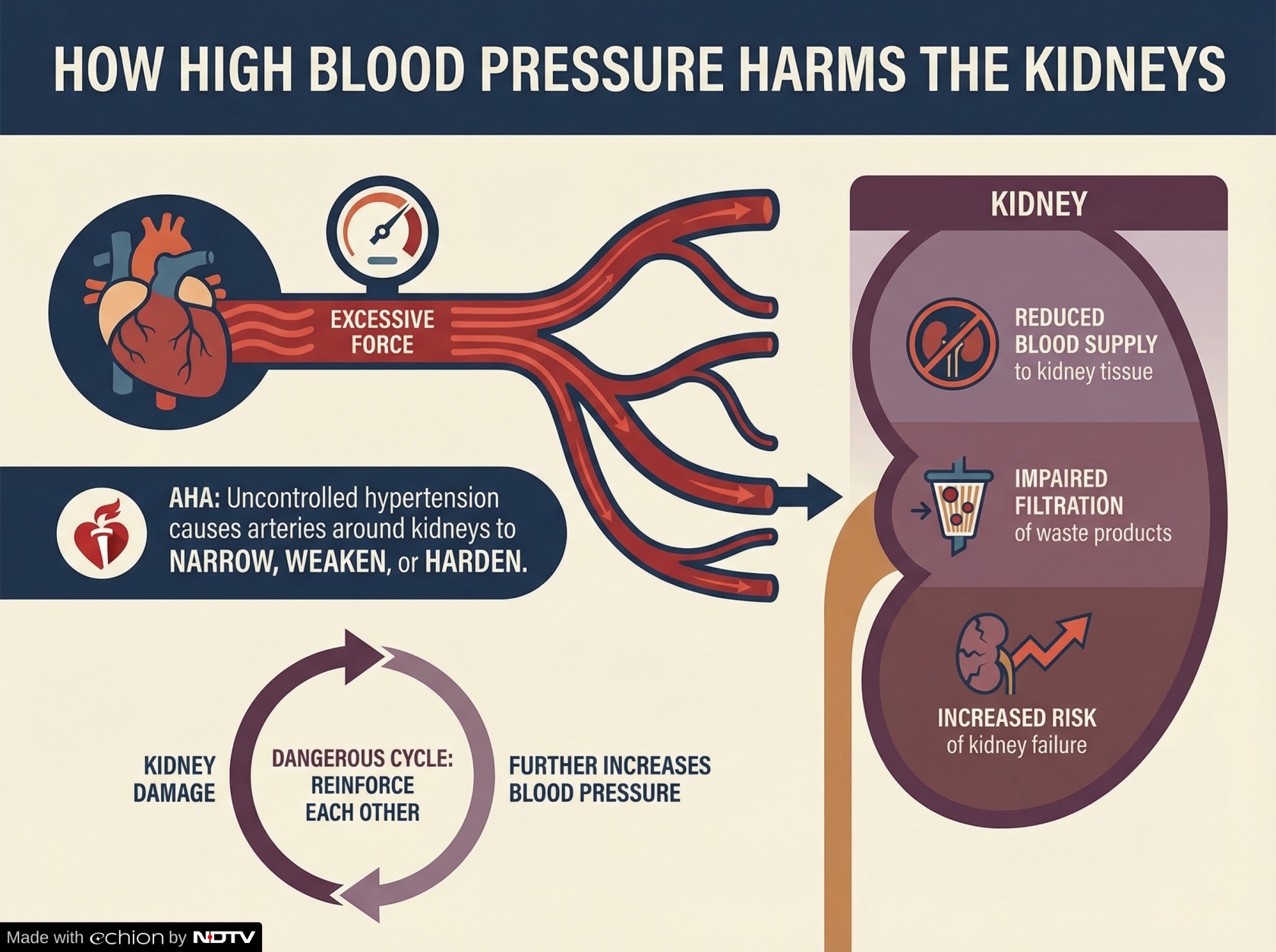
How High Blood Pressure Harms The Kidneys
High blood pressure damages kidney function by exerting excessive force on blood vessel walls. According to the American Heart Association (AHA), uncontrolled hypertension can cause the arteries around the kidneys to narrow, weaken or harden.
This leads to:
- Reduced blood supply to kidney tissue
- Impaired filtration of waste products
- Increased risk of kidney failure
Hypertension and kidney disease often reinforce each other, creating a dangerous cycle where kidney damage further increases blood pressure.
Warning Signs Of Kidney Disease
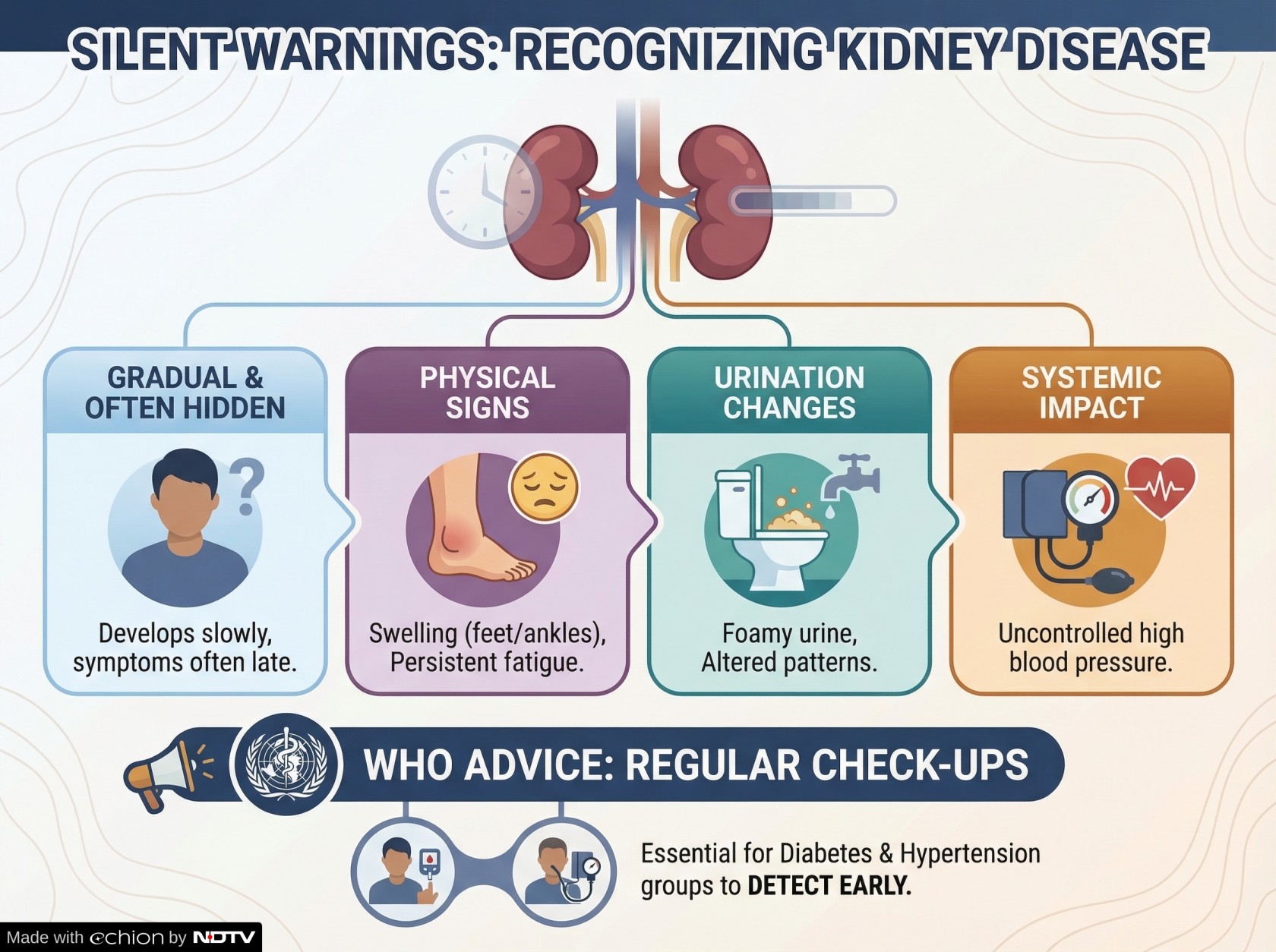
Chronic kidney disease often develops gradually and may not show symptoms until advanced stages.
Common warning signs include:
- Swelling in the feet, ankles or face
- Persistent fatigue or weakness
- Changes in urination patterns
- Foamy urine due to protein leakage
- High blood pressure that is difficult to control
The World Health Organization advises regular health check-ups for people with diabetes or hypertension to detect kidney damage early.
Also Read: Are Your Kidneys At Risk During Heatwaves? Things To Know Before Peak Summer Arrives
Protecting Kidney Health
Experts say the risk of kidney disease can be significantly reduced through proper management of diabetes and blood pressure.
Important steps include:
- Control Blood Sugar Levels: Maintaining stable glucose levels can prevent damage to kidney blood vessels.
- Manage Blood Pressure: Doctors recommend keeping blood pressure within healthy limits to protect kidney function.
- Regular Kidney Screening: Routine tests such as urine protein checks and blood creatinine tests can detect early kidney damage.
- Maintain A Healthy Lifestyle: Balanced diet, regular exercise and avoiding smoking can improve both heart and kidney health.
- Follow Medical Advice: Patients should take prescribed medications consistently and consult doctors for regular monitoring.
Diabetes and high blood pressure are two of the most significant risk factors for chronic kidney disease, often causing silent damage over many years. By affecting the delicate blood vessels that filter the body's waste, these conditions can gradually reduce kidney function and lead to serious health complications.
Experts warn that conditions such as renal artery stenosis can further complicate hypertension and kidney health if left undiagnosed. Early detection through screening and imaging tests can help identify such issues before they cause irreversible damage. With proper management of blood sugar, blood pressure and lifestyle habits, individuals can significantly reduce their risk of kidney disease and protect their long-term health.
Disclaimer: This content including advice provides generic information only. It is in no way a substitute for a qualified medical opinion. Always consult a specialist or your own doctor for more information. NDTV does not claim responsibility for this information.