

)
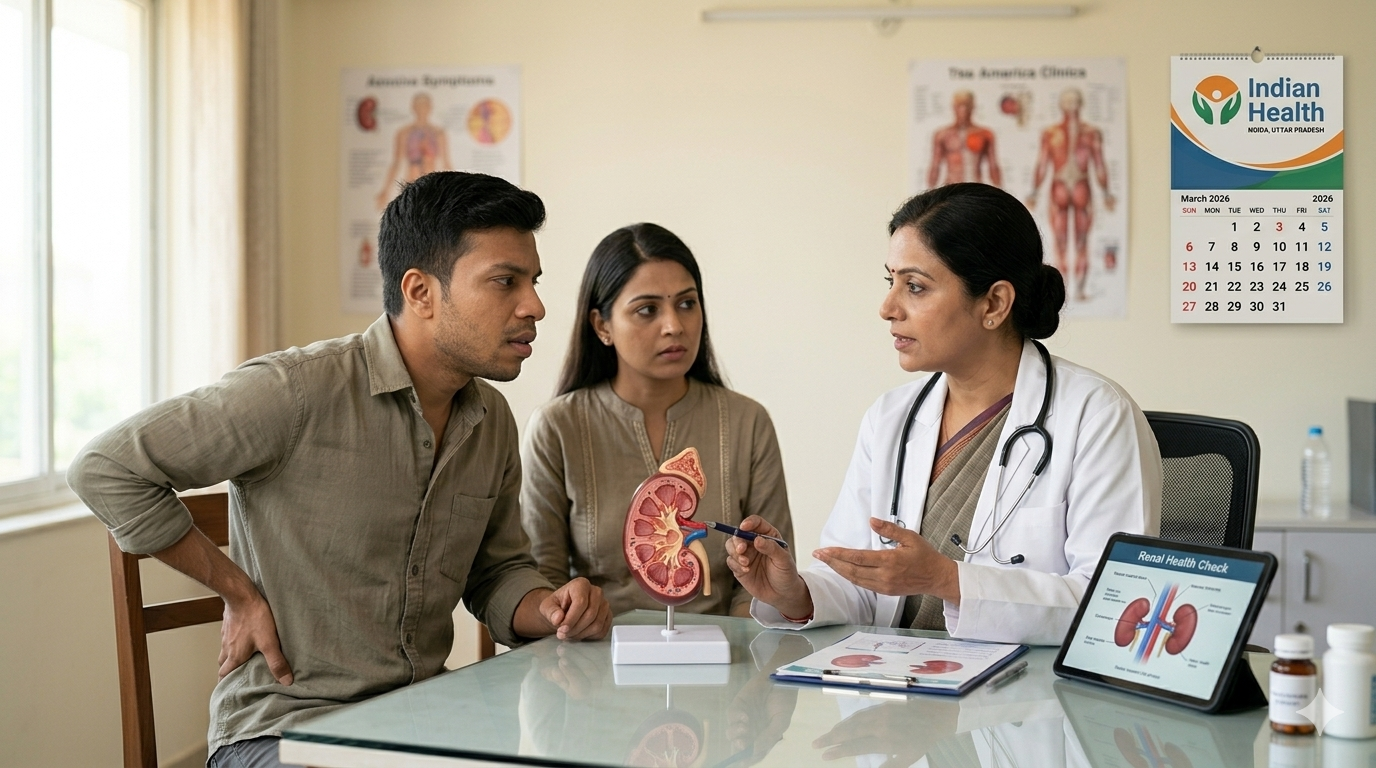
Kidney health is often ignored until symptoms become severe, yet chronic kidney disease (CKD) is quietly becoming a major public health concern in India. Unlike many other conditions, kidney disease can progress silently for years before it is detected. By the time symptoms appear, significant damage may already have occurred. This is why it is very important to begin kidney health screening from the age of 30, particularly in India, where lifestyle-related diseases are rising rapidly.
The Rising Burden of Kidney Disease in India
India is witnessing a worrying rise in chronic kidney disease cases. Recent research indicates that CKD prevalence in the country has increased from about 11% between 2011-2017 to over 16% between 2018-2023 among individuals aged 15 and above.
Several factors are driving this increase. Rapid urbanisation, sedentary lifestyles, unhealthy dietary habits, and rising obesity rates are placing greater stress on kidney health. In addition, India has one of the highest numbers of people living with diabetes and hypertension-two of the most significant risk factors for kidney damage.
The concerning aspect is that kidney disease does not usually cause symptoms in its early stages. Many people continue with their routine lives without realising that their kidney function is gradually declining. This makes early detection and screening extremely important.
Why Screening Should Start After the Age of 30
Traditionally, kidney disease was considered a problem affecting older adults. However, this trend is changing. Increasingly, doctors are seeing kidney problems in people in their 30s and 40s. This shift is largely linked to early onset diabetes, high blood pressure, obesity, and metabolic disorders.
When these conditions remain poorly controlled, they gradually damage the delicate blood vessels in the kidneys. Over time, this reduces the kidneys' ability to filter waste and excess fluid from the body.
Screening after the age of 30 can help identify early kidney damage before symptoms appear. Simple tests such as serum creatinine, estimated glomerular filtration rate (eGFR), and urine albumin tests can detect early abnormalities. Identifying kidney disease at an early stage allows doctors to intervene with lifestyle changes, medications, and better control of underlying conditions.
Common Risk Factors That Damage the Kidneys
Several lifestyle and medical conditions increase the risk of chronic kidney disease. Among these, diabetes and hypertension remain the most common causes. Studies have shown that these two conditions account for a large proportion of CKD cases in India.
Other risk factors include obesity, high salt intake, smoking, excessive use of painkillers, and family history of kidney disease. In certain regions, environmental factors such as contaminated water sources and chronic dehydration, particularly among agricultural workers, may also contribute to kidney damage.
The growing burden of these risk factors means that kidney disease is no longer limited to a small section of the population. Instead, it is increasingly affecting younger adults who may not consider themselves at risk.
The Importance of Early Detection
One of the most challenging aspects of CKD is its silent progression. In the early stages, patients rarely experience noticeable symptoms. When symptoms such as swelling of the feet, fatigue, changes in urination, or loss of appetite appear, kidney function may already be significantly impaired.
Early detection can dramatically change outcomes. With timely diagnosis, doctors can slow disease progression through better control of blood pressure and blood sugar, dietary adjustments, and medications that protect kidney function. In many cases, early intervention can delay or even prevent the need for dialysis or kidney transplantation.
Protecting Kidney Health Through Lifestyle Changes
While medical screening is important, prevention remains equally crucial. Maintaining a healthy lifestyle can significantly reduce the risk of kidney disease.
This includes controlling blood pressure and blood sugar levels, maintaining a healthy body weight, staying well hydrated, limiting salt intake, and avoiding excessive use of over-the-counter pain medications. Regular physical activity and a balanced diet rich in fruits, vegetables, and whole grains can also support overall kidney health.
A Growing Need for Awareness
Despite the rising prevalence of kidney disease, awareness remains relatively low in India. Many individuals only undergo kidney testing once symptoms appear or when the disease has already progressed to advanced stages.
Increasing awareness about kidney health, especially among younger adults, is therefore essential. Screening after the age of 30, particularly for those with diabetes, hypertension, or a family history of kidney disease, can play a crucial role in early detection and prevention.
Ultimately, protecting kidney health is not only about treating disease but also about recognising risks early and taking preventive action. With timely screening, lifestyle changes, and greater awareness, many cases of chronic kidney disease can be prevented or effectively managed before they become life-threatening.
(By Dr. Sashi Kiran A, Consultant Nephrologist, Yashoda Hospitals, Hyderabad)
Disclaimer: The opinions expressed within this article are the personal opinions of the author. NDTV is not responsible for the accuracy, completeness, suitability, or validity of any information on this article. All information is provided on an as-is basis. The information, facts or opinions appearing in the article do not reflect the views of NDTV and NDTV does not assume any responsibility or liability for the same.