

)
When it comes to protecting your heart, most people immediately think of walking, jogging, swimming, or cycling. While these aerobic exercises remain the cornerstone of heart health, cardiologists say there's another important piece of the puzzle that often gets overlooked strengthening your legs. Your legs contain some of the largest muscle groups in the body. Training these muscles doesn't just improve strength and mobility; it also boosts circulation, supports healthy blood pressure, enhances insulin sensitivity, and helps your heart work more efficiently. In fact, growing evidence suggests that combining lower-body strength training with regular aerobic exercise may offer greater cardiovascular benefits than relying on cardio alone. According to Dr. Ashish Kumar, Senior Consultant, Department of Cardiology, Amrita Hospital, Faridabad, leg exercises play a much bigger role in heart health than many people realise. "Lower-body exercises involve large muscle groups, which increase the oxygen demand, improve circulation and make the heart work more efficiently over time. Leg muscles act as an important peripheral pump, helping improve venous return to the heart during physical activity."
Why Strong Legs Benefit Your Heart
Every time you perform lower-body exercises, your heart has to pump more oxygen-rich blood to your working muscles. Over time, this regular demand strengthens the cardiovascular system, allowing the heart to pump blood more efficiently. Dr. Kumar explains that stronger leg muscles also help improve:
- Blood circulation
- Muscle mass
- Functional capacity
- Insulin sensitivity
- Blood pressure regulation
- Vascular health
"Regular lower-body strengthening improves muscle mass, functional capacity, insulin sensitivity, vascular health, and blood pressure control. Together, these changes help improve cardiovascular fitness and lower the long-term risk of heart disease."
Also read: Heart Attack In 40s: Why Are Healthy And Fit Individuals Still At Risk? Cardiologist Explains
Resistance Training Is Good For Your Heart Too
For years, aerobic exercise received most of the attention in heart disease prevention. However, research over the past decade has increasingly highlighted the cardiovascular benefits of resistance training. Studies show that strengthening major muscle groups helps improve:
- Vascular function
- Glucose metabolism
- Blood pressure
- Body composition
- Physical endurance
Because of these benefits, preventive cardiology guidelines now recommend combining muscle-strengthening exercises with moderate-intensity aerobic activity every week. Rather than choosing between cardio and strength training, experts recommend doing both.
Best Leg Exercises For Heart Health
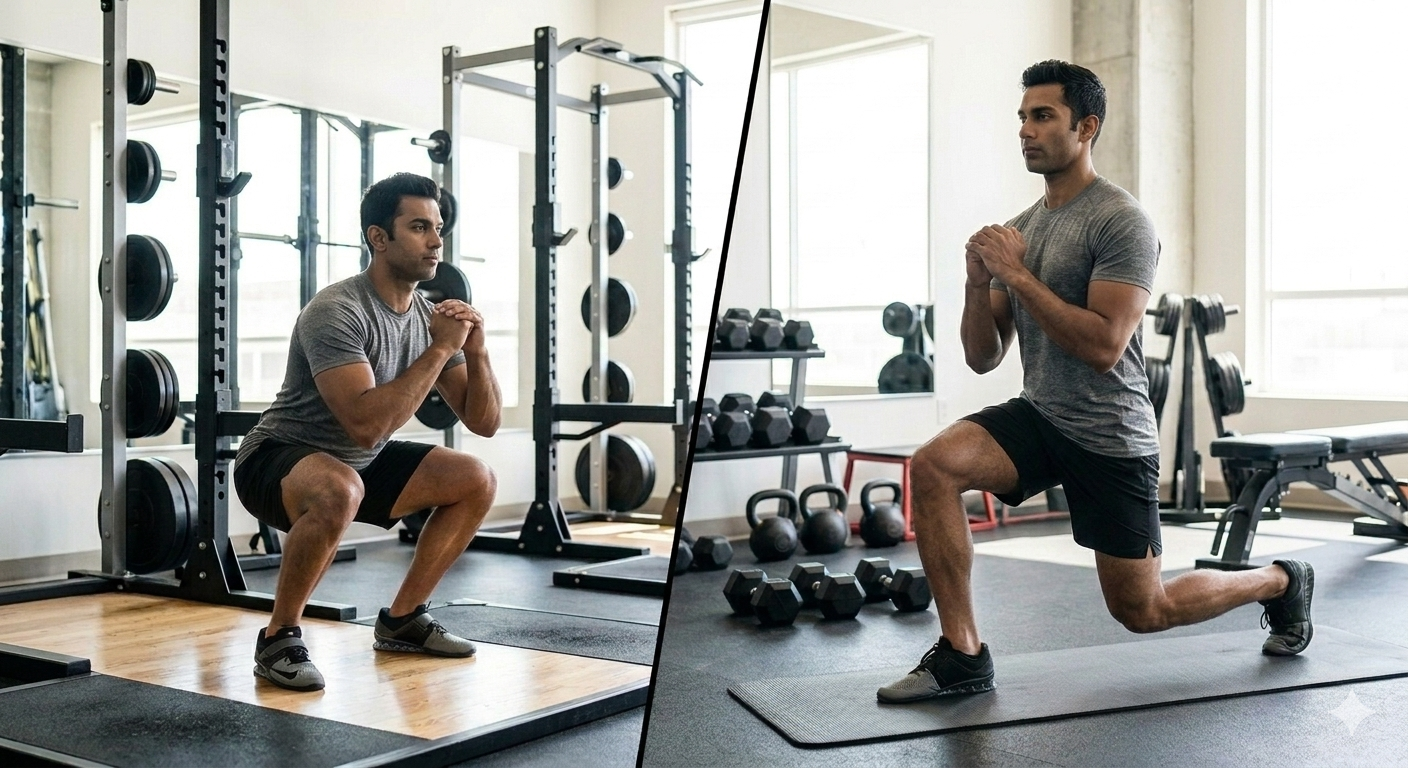
1. Squats
Squats are among the most effective full lower-body exercises. They work the:
- Quadriceps
- Hamstrings
- Glutes
- Core muscles
Because they recruit multiple large muscle groups simultaneously, squats improve circulation while increasing heart rate during exercise.
2. Walking Lunges
Walking lunges challenge balance while strengthening the hips and legs. They help:
- Improve muscular endurance
- Enhance stability
- Increase cardiovascular demand
- Build lower-body strength
As fitness improves, lunges also make everyday activities easier.
3. Step-Ups
Step-ups closely mimic daily movements like climbing stairs. This functional exercise:
- Strengthens the legs
- Improves balance
- Enhances exercise tolerance
- Supports heart health through sustained movement
They can easily be performed using a sturdy bench or step.
4. Stair Climbing
Stair climbing combines strength training with aerobic exercise. It helps:
- Raise heart rate quickly
- Build lower-body muscles
- Improve cardiovascular endurance
- Burn calories efficiently
Even climbing a few flights daily can contribute to better heart fitness.
5. Cycling
Cycling remains one of the most heart-friendly lower-body workouts. It is particularly suitable for:
- Beginners
- Older adults
- People with joint pain
Cycling strengthens the legs while providing an effective cardiovascular workout without excessive stress on the knees.
Also read: Cognition, Nutrition, Movement Strongest Predictors Of Survival Among Older Adults In India: Study
Don't Replace Cardio Combine It
Experts stress that leg workouts should complement, not replace, aerobic exercise. Walking, jogging, cycling, swimming, or brisk walking continue to play an essential role in reducing cardiovascular risk. However, adding two or three strength-training sessions each week can further improve overall heart health. According to Dr. Kumar, "What you want to do is add resistance training to aerobic exercise rather than replace it. The heart is healthy only if the person is fit physically."
Stronger Legs Help You Stay Active Longer
One of the biggest advantages of lower-body strength is that it allows people to remain physically active for longer periods. When leg muscles become stronger:
- Walking becomes easier
- Daily tasks require less effort
- Exercise feels less tiring
- Overall endurance improves
This creates a positive cycle where improved strength encourages more movement, which further benefits the heart. "Stronger leg muscles improve the ability to exercise, so people can be active longer and get more cardiovascular benefits from regular movement." Protecting your heart isn't only about cardio. Strengthening your legs can significantly improve circulation, blood pressure, insulin sensitivity, and overall cardiovascular fitness. Exercises such as squats, walking lunges, step-ups, stair climbing, and cycling work the body's largest muscles, helping the heart pump blood more efficiently over time. The best approach is to combine regular aerobic activity with lower-body strength training as part of a balanced fitness routine. As Dr. Kumar concludes, "Consistency, not just intensity, is what protects the heart over the long haul."
Disclaimer: This content including advice provides generic information only. It is in no way a substitute for a qualified medical opinion. Always consult a specialist or your own doctor for more information. NDTV does not claim responsibility for this information.