

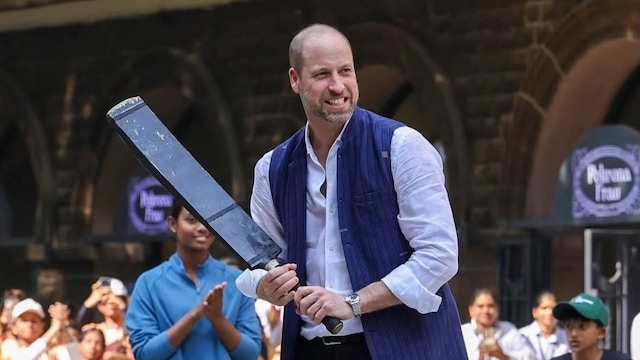
Prince William and Princess Catherine of Wales are on a 3-day official visit to India focused on the sixth annual Earthshot Prize. Prince William's changing appearance over the years has brought attention to a common concern among men which is male pattern baldness. The Prince of Wales, who has experienced progressive hair loss since his twenties, has embraced a closely cropped hairstyle as his hairline has receded and thinning has become more noticeable. His transformation has also highlighted how genetic hair loss can progress gradually, sometimes it begins much earlier than expected. In Prince William's case, male pattern baldness is largely hereditary, influenced by genes inherited from both his paternal Windsor family line and his maternal Spencer family line. In his family history, King Charles III experienced hair loss, while his brother, Prince Harry, has also shown signs of thinning hair over the years.
Previous media reports have highlighted how his thinning hair became more visible during his public appearances, particularly around the time he turned 30. In 2018, when he was 35, he attracted attention after sporting a shorter haircut during a visit to a children's hospital. It is inspirational that he embrace his look as the change was widely interpreted as an acceptance of his receding hairline rather than an attempt to conceal it. Now in his forties, William's appearance offers an opportunity to understand androgenetic alopecia, commonly known as male pattern baldness. But can men delay this form of hair loss if it runs in their families? And what treatments can help preserve existing hair?

Prince William's genetic male pattern baldness influenced by the genes of King Charles III
Photo Credit: Instagram
Prince William's Hair Loss: How Has It Changed Over The Years?
Prince William's hair loss became increasingly noticeable during his twenties. Photographs from his younger years show a considerably fuller head of hair, but his hairline gradually receded, particularly around the temples and the crown. By the time he entered his thirties, the thinning had become more prominent. His changing hairline frequently attracted media attention, with reports discussing his resemblance to other members of the royal family who had also experienced hair loss. As reportd by Time Magazine, in January 2018, William made headlines after opting for a very short buzz cut. At 35, he appeared with a closely cropped hairstyle during a visit to the Evelina London Children's Hospital.
The haircut drew attention because it made his thinning hair less conspicuous as a styling concern and reflected a more comfortable approach to his changing appearance. Over the following years, his closely cropped hairstyle became a familiar part of his public appearance. His experience also illustrates that male pattern baldness is not necessarily a sudden change. It can develop gradually over several years. It is important to note that Prince William has not publicly confirmed a medical diagnosis or disclosed any hair-loss treatment. His appearance should therefore not be treated as a clinical assessment.
What Causes Male Pattern Baldness?
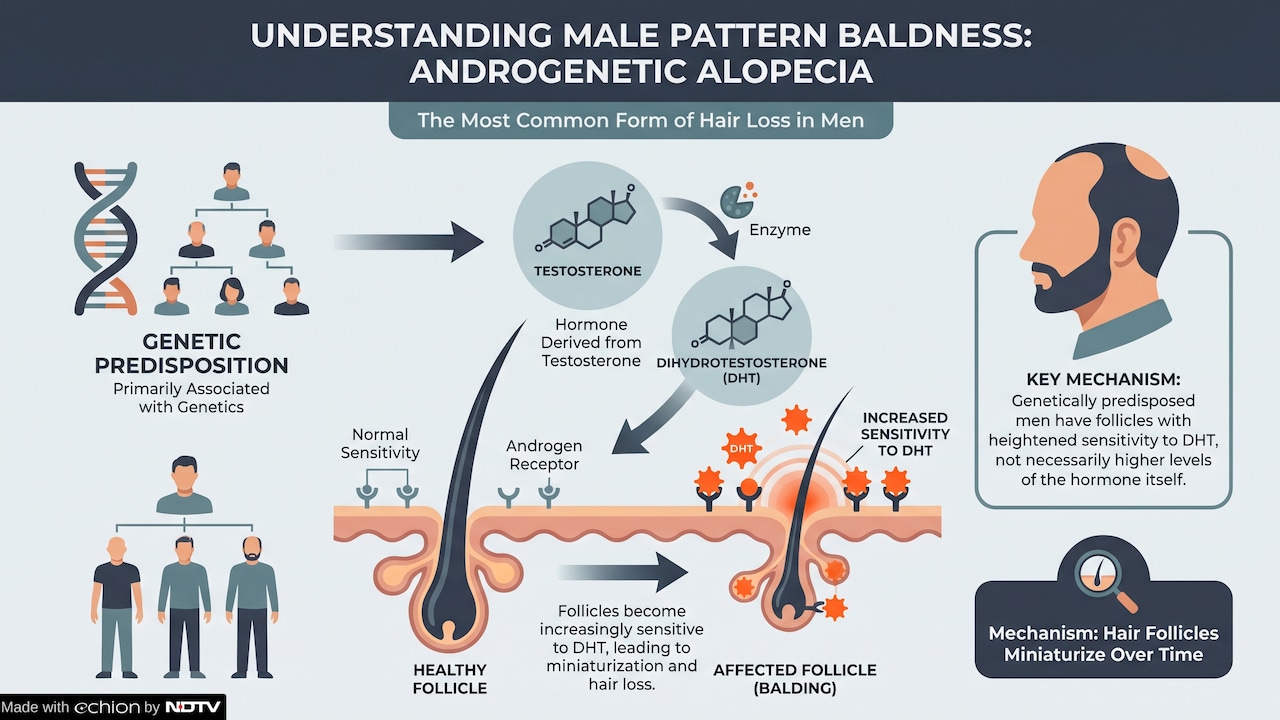
"Male pattern baldness, medically known as androgenetic alopecia, is the most common form of hair loss in men. It is primarily associated with genetics and the body's sensitivity to androgens, particularly dihydrotestosterone (DHT), a hormone derived from testosterone. InIn men who are genetically predisposed to the condition, hair follicles become increasingly sensitive to DHT. This causes the follicles to shrink gradually, a process known as follicular miniaturisation. As a result, hair becomes thinner, shorter and weaker with successive growth cycles. Eventually, some affected follicles stop producing visible hair," explains Dr Sachin Gupta, Assistant Professor and Consultant Dermatologist, Amrita Hospital, Faridabad.
Androgenetic alopecia
The condition typically begins with a receding hairline around the temples or thinning at the crown. As it progresses, these areas can expand, leaving a larger portion of the scalp exposed. According to Medical News Today, genetics plays an important role, but the condition is not inherited from just one side of the family. Multiple genes inherited from both parents can influence a person's susceptibility to hair loss. '
Can You Delay Genetic Male Pattern Baldness?
Although genetic male pattern baldness cannot currently be prevented completely, early treatment can help slow its progression and preserve existing hair. According to the American Academy of Dermatology (AAD), men who begin treatment soon after noticing hair loss generally have better chances of maintaining their existing hair. Treatment may also help some men regrow a portion of the lost hair. However, results vary depending on the extent of hair loss and individual response. Here are some treatment options that dermatologists may recommend.
1. Minoxidil
"Minoxidil is a commonly used topical treatment for male pattern hair loss. Available in liquid and foam formulations, it is applied directly to the scalp to stimulate hair growth and help maintain hair density. It works by supporting hair follicle activity and extending the growth phase of the hair cycle. Regular use is necessary, and visible improvements may take several months," says Dr Sachin Gupta.
The British Association of Dermatologists (BAD) notes that 5% minoxidil may help slow hair loss and stimulate hair growth. However, it can cause scalp irritation, redness, dryness and temporary increased shedding when treatment begins. Its benefits generally disappear after discontinuation.
According to one study quoted by Dr Gupta, in a 48-week trial, men using 5% topical minoxidil had 45% more measured hair regrowth than those using the 2% formulation. A separate analysis of two trials involving 1,553 men found that oral finasteride reduced the relative likelihood of further visible hair loss over five years by 93% compared with placebo. "One study measured regrowth. The other measured how well treatment kept thinning from progressing," Dr Gupts adds.
2. Finasteride
Finasteride is an oral prescription medication used to treat male pattern baldness. It works by blocking the enzyme responsible for converting testosterone into DHT, thereby reducing the hormone's effect on susceptible hair follicles. By lowering DHT levels, the medication can slow follicle miniaturisation and help preserve existing hair. Some men may also experience hair regrowth. However, finasteride is not suitable for everyone. Possible side effects include reduced libido, erectile difficulties and changes in ejaculation. Some people have also reported mood-related side effects. Men should discuss its potential benefits and risks with a qualified dermatologist before starting treatment.
3. Hair Transplant
For men with more advanced hair loss, hair transplantation may be an option. The procedure involves taking hair follicles from areas of the scalp that are relatively resistant to DHT, usually the back and sides, and transplanting them into areas affected by baldness. The transplanted follicles can continue producing hair in their new location. However, a hair transplant does not stop the progression of genetic hair loss in the remaining untreated areas. A dermatologist or qualified hair transplant surgeon can assess whether someone is a suitable candidate.
Can Diet And Lifestyle Changes Prevent Genetic Hair Loss?
A balanced diet and healthy lifestyle can support overall hair health, but they cannot eliminate the genetic predisposition responsible for male pattern baldness. Hair follicles require adequate nutrients, including protein, iron, zinc and certain vitamins, to function normally. Nutritional deficiencies can contribute to hair shedding, although correcting them will not necessarily reverse androgenetic alopecia. Men should include adequate protein sources, vegetables, fruits, nuts and seeds in their diets. They should also avoid crash dieting, which can trigger temporary hair shedding.
Smoking cessation, adequate sleep and stress management are beneficial for overall health. However, there is insufficient evidence to suggest that these measures can independently prevent genetically determined male pattern baldness. It is also important not to start supplements without identifying a deficiency. Excessive intake of certain nutrients can sometimes contribute to hair loss rather than improve it.
When Should You Consult A Dermatologist?
Men should consider consulting a dermatologist when they notice persistent hair thinning, a receding hairline or increased visibility of the scalp around the crown. Early evaluation is important because not all hair loss is genetic. Conditions such as thyroid disorders, iron deficiency, nutritional deficiencies, certain illnesses and physical or emotional stress can also contribute to hair shedding. According to the NHS, a dermatologist may examine the scalp, assess the pattern of hair loss and review family history. Blood tests may be recommended if an underlying medical condition or nutritional deficiency is suspected.
The NHS also advises people experiencing hair loss to establish its underlying cause before considering treatment at a commercial hair clinic. Prince William's hair loss journey shows how male pattern baldness can gradually change a person's appearance, sometimes beginning in their twenties. While genetics cannot be changed, early diagnosis and appropriate treatment may help slow hair loss and preserve existing hair. Men experiencing a receding hairline or thinning should not wait until significant hair loss occurs before seeking medical advice.
Treatments such as minoxidil and finasteride can help eligible individuals, but they require consistent use and medical guidance. Ultimately, accepting hair loss is also a personal choice, and not everyone needs medical or cosmetic intervention.
Disclaimer: This content including advice provides generic information only. It is in no way a substitute for a qualified medical opinion. Always consult a specialist or your own doctor for more information. NDTV does not claim responsibility for this information.