

)
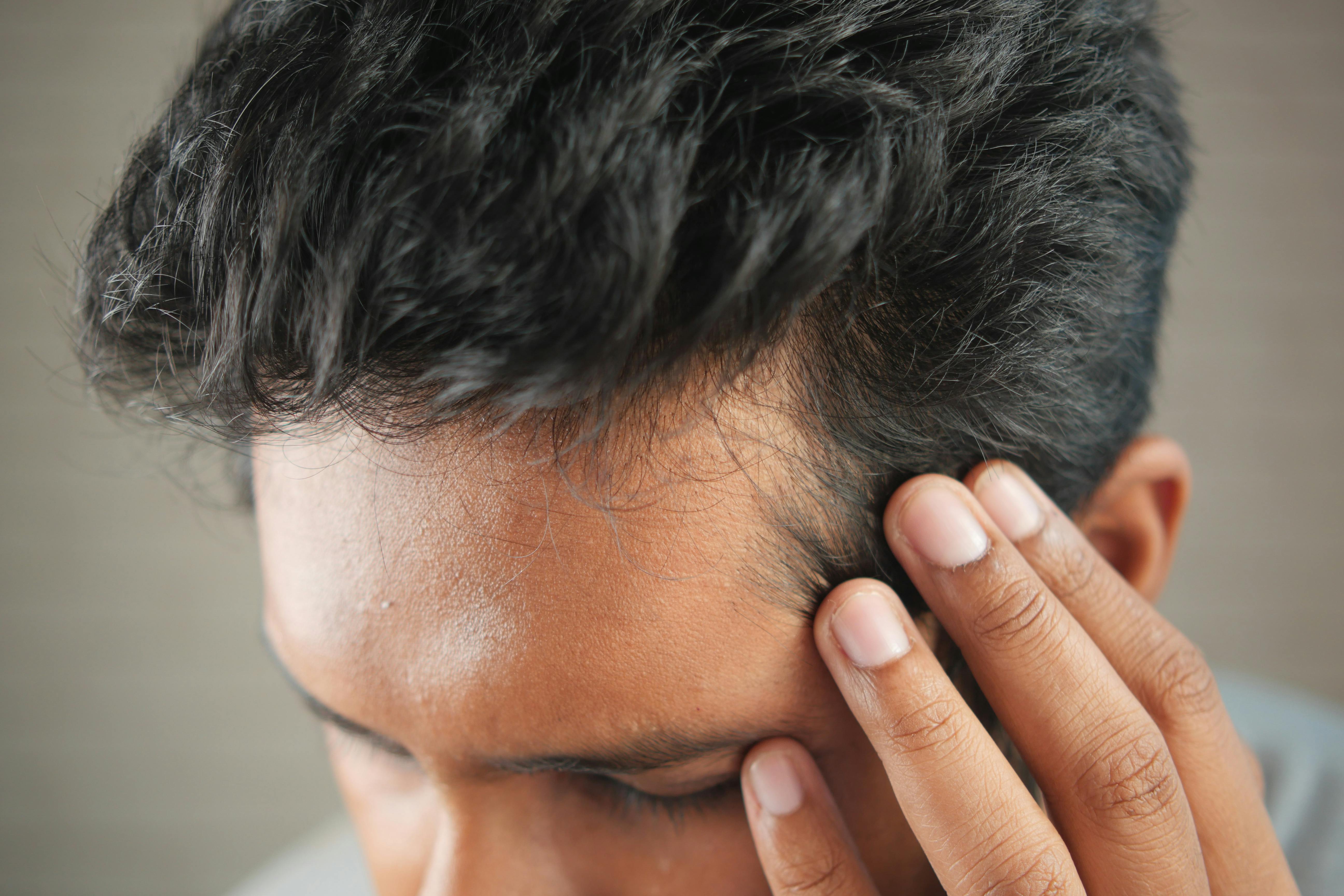
Noticing changes in your hairline can be unsettling. Is it simply a part of normal ageing, or could it indicate the beginning of hair loss? Understanding the difference between a maturing hairline and a receding one is subtle yet crucial. Recognising this early can help you take appropriate action. With the growing pressures of modern life and increasing social demands, hair loss has become a common and more serious concern. According to a study in International Journal of Medical Sciences, a variety of factors including psychological stress, trauma, genetic predisposition, hormonal imbalances, physical strain, and exposure to chemicals can contribute to significant hair loss. This condition not only impacts physical appearance but also takes a toll on mental well-being
What Is A Maturing Hairline?
A maturing hairline is a natural part of ageing, especially in men. It typically begins in the late teens or early twenties and involves a slight, even recession from the temples. This process is gradual and stabilises over time. It is not considered a medical condition and does not usually lead to significant hair loss.
Also read: Not Just Stress: Hidden Reasons You're Losing Hair (And The Actual Supplements That Work)
What Is A Receding Hairline?
A receding hairline, on the other hand, is often an early sign of androgenetic alopecia, commonly known as male pattern baldness. This type of hair loss is progressive and tends to worsen if not managed. Key Differences You Should Know
- Pattern Of Hair Loss
- A maturing hairline recedes slightly and evenly, forming a mild "M" shape.
A receding hairline shows more pronounced thinning at the temples, creating a deeper "M" or even a "U" shape over time.
Speed Of Change
- Maturing hairlines change slowly and then stabilise.
- Receding hairlines continue to move back over months or years.
- Hair Density
- In a maturing hairline, overall hair density remains fairly intact.
In a receding hairline, you may notice thinning, miniaturised hairs, or increased shedding.
Age Of Onset
A maturing hairline is common in young adults. A receding hairline can begin at any age but often becomes noticeable in the 20s or 30s.
Why Does A Receding Hairline Happen?
The most common cause is sensitivity to a hormone called dihydrotestosterone. DHT can shrink hair follicles over time, leading to thinner hair and eventual hair loss in genetically predisposed individuals. Other contributing factors may include:
- Family history
- Hormonal imbalance
- Stress
- Nutritional deficiencies
Can You Slow It Down?
If you suspect a receding hairline, early action can make a difference. Common approaches include:
- Medications prescribed by a doctor
- Topical treatments
- Lifestyle changes like improved diet and stress management
In more advanced cases, procedures such as hair transplants may be considered.
Also read: Nutritionist Highlights Key Nutrient Deficiencies Behind Hair Fall In New Health Advisory
When Should You See A Doctor?
It is a good idea to consult a dermatologist if you notice:
- Rapid or uneven hair loss
- Excessive hair shedding
- Visible thinning beyond the temples
Early evaluation can help confirm the cause and guide treatment. A maturing hairline is a normal part of ageing, while a receding hairline may signal ongoing hair loss. The key difference lies in progression, pattern, and hair density. If changes are gradual and stabilise, it is likely normal. If they continue to worsen, it may need attention. Understanding these signs early can help you stay informed and take control of your hair health before the changes become more pronounced.
Disclaimer: This content including advice provides generic information only. It is in no way a substitute for a qualified medical opinion. Always consult a specialist or your own doctor for more information. NDTV does not claim responsibility for this information.