

)
When you think about ageing well, your mind probably goes to diet, heart health, or maybe even skincare. But there's one powerful muscle group that rarely gets the spotlight it deserves, your glutes. Strong glutes aren't just about aesthetics; they play a crucial role in mobility, balance, posture, and overall longevity. According to a study in the Journal of Physical Therapy and Science, strong glutes will provide you crucial lumbar pelvic stability, it may reduce lower back pain and improve force transfer from legs to the spine. They enhance athletic performance through increased power and mitigate injuries at the ankle, knee, and hip. In fact, if you want to stay active, independent, and injury-free as you age, building and maintaining strong glutes might be one of the smartest things you can do.
Why Glutes Matter More Than You Think
Your glutes are among the largest and most powerful muscles in your body. They stabilise your pelvis, support your lower back, and help you perform everyday movements like walking, climbing stairs, and even standing up from a chair. As we age, muscle mass naturally declines, a process known as sarcopenia. Study says the global prevalence of sarcopenia among individuals aged 60 years and older is estimated to be approximately 10%. If your glutes weaken, it can lead to poor balance, increased risk of falls, and strain on other joints, especially the knees and lower back.
The Hidden Link Between Weak Glutes and Pain
Ever wondered why so many people complain about lower back pain or knee issues as they get older? Weak glutes are often part of the problem. When your glutes aren't doing their job, other muscles try to compensate. This can overload your lower back, hips, and knees, leading to chronic discomfort or even injury. Strengthening your glutes helps distribute force evenly across your body, reducing unnecessary strain.
How Strong Glutes Support Healthy Ageing
Strong glutes improve your ability to stay steady on your feet, reducing the risk of falls, which is a major concern with ageing. Better glutes will help you improve your posture. One of the prominent benefits of healthy glute is that they help keep your spine aligned, preventing that hunched posture many people develop over time. From walking faster to climbing stairs with ease, strong glutes keep you moving freely.
Also read: You Might Skip Alcohol, But These 8 Habits Are Still Ageing You Faster
How to Build Strong Glutes the Right Way
You don't need fancy gym equipment or extreme workouts. Consistency and the right exercises matter more.
1. Start with Activation Exercises
Before building strength, you need to "wake up" your glutes.
- Glute bridges
- Clamshells
- Donkey kicks
These help ensure your glutes are actually doing the work instead of other muscles taking over.
2. Focus on Compound Movements
Once activated, move to exercises that engage multiple muscle groups.
- Squats
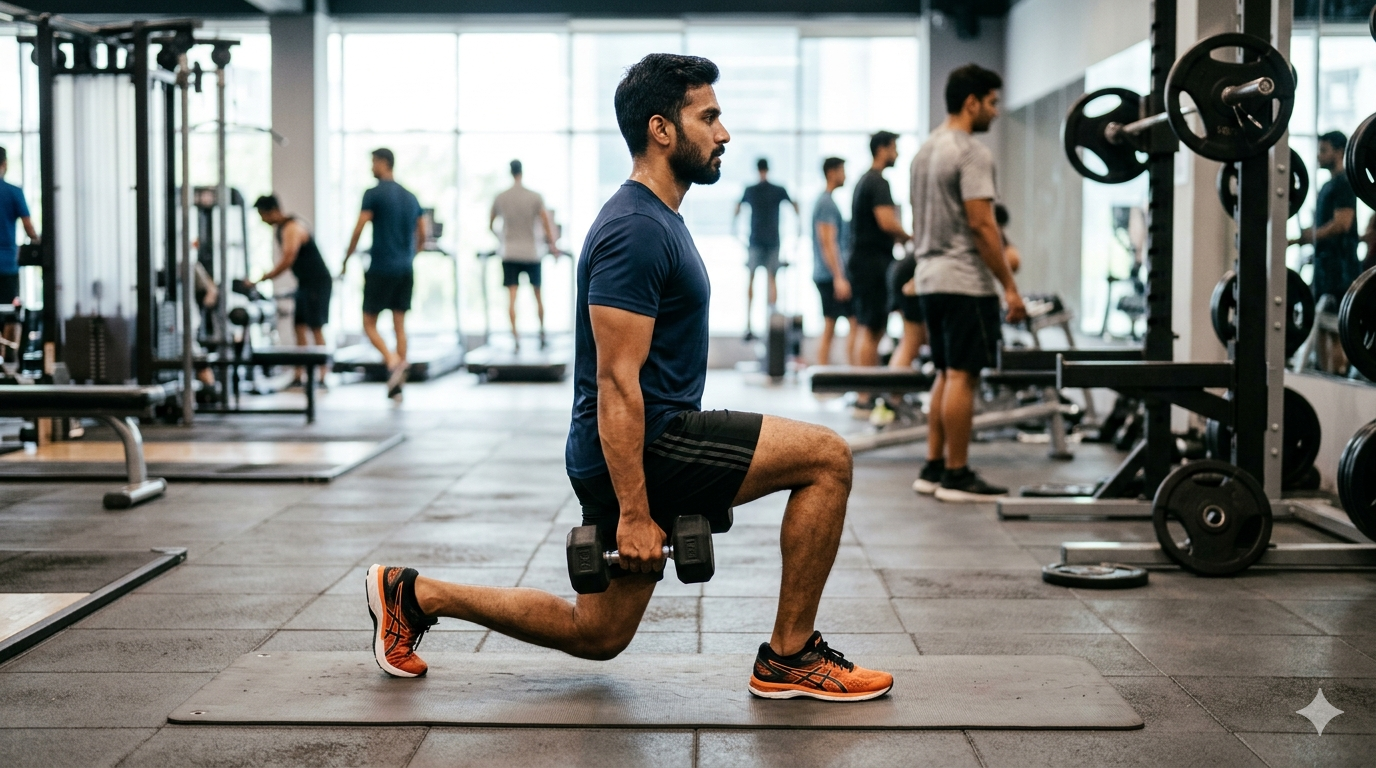
- Lunges
- Step-ups
These mimic real-life movements and build functional strength.
3. Add Progressive Strength Training
As you get stronger, gradually increase resistance using weights or resistance bands. One of the most effective exercises for glute strength is the hip thrust. It directly targets the gluteus maximus and can significantly improve strength when done correctly.
4. Don't Ignore Form
Proper technique is everything. Poor form can shift the load away from your glutes and increase injury risk.
- Keep your core engaged
- Avoid arching your lower back
- Move slowly and with control
5. Train Consistently, Not Intensely
You don't need daily intense workouts. Training your glutes 2 to 3 times a week is enough to see progress, as long as you stay consistent.
Lifestyle Habits That Support Glute Strength
It's not just about exercise. Your daily habits matter too.
- Avoid prolonged sitting: Sitting for long hours can "switch off" your glutes
- Stay active throughout the day: Walking, climbing stairs, and standing more often helps
- Eat enough protein: Muscle repair and growth depend on proper nutrition
Also read: Metabolic Slowdown After 30: Silent Symptoms Of Muscle And Bone Loss As You Age
Building strong glutes isn't about chasing a fitness trend or a certain body shape. It's about building a body that supports you for life. The earlier you start, the better. But even if you're starting later, it's never too late to build strength and improve your quality of life. Strong glutes are more than just a fitness goal, they're a foundation for healthy ageing. From better balance to reduced pain and improved mobility, their benefits go far beyond the gym. So the next time you think about your health, don't overlook your glutes. A few simple exercises, done consistently, could be the key to staying strong, stable, and independent for years to come.
Disclaimer: This content including advice provides generic information only. It is in no way a substitute for a qualified medical opinion. Always consult a specialist or your own doctor for more information. NDTV does not claim responsibility for this information