

)
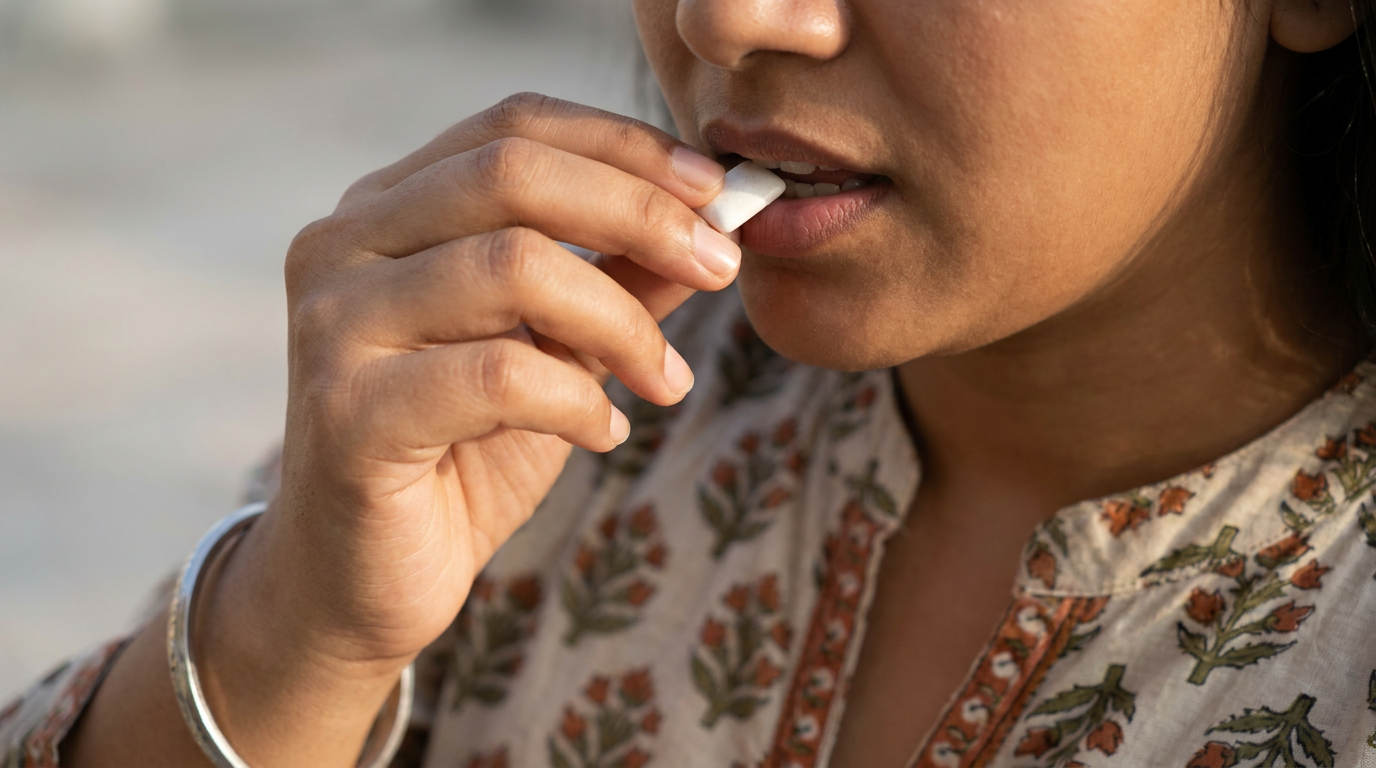
Xylitol is a low-calorie sweetener that's commonly found in sugar-free chewing gums, candies, processed foods and toothpaste. This popular sweetener is facing renewed scrutiny after new research linked higher levels of the sweetener in the blood to a higher risk of serious cardiovascular events. The study found that people with the highest levels of circulating xylitol may have a higher risk of heart attack, stroke and cardiovascular death. In one large study, participants with the highest xylitol levels had a 57% higher risk of major adverse cardiovascular events compared with those with the lowest levels.
The concern is particularly important because xylitol is usually considered to be a healthier alternative to sugar. It is a sugar alcohol that provides sweetness with fewer calories and has a lower impact on blood glucose than regular sugar. It is also widely used in oral-care products because it does not cause tooth decay in the same way as sugar. However, the latest findings add to earlier research suggesting that xylitol may cause blood clotting. Researchers say the sweetener may make platelets more likely to become activated, potentially increasing the tendency for blood clots to form.
What Did The New Study Find?
The new research, presented at the European Society of Cardiology Congress 2026, examined whether blood levels of xylitol were associated with cardiovascular events in the general population. Researchers analysed data from two large observational studies involving a total of 17,710 participants from North America and Europe.
One study followed participants for six years, while the other followed people for as long as 30 years. Researchers divided participants according to their blood xylitol levels and considered other cardiovascular risk factors, including age, smoking, diabetes and high blood pressure.
During the six-year follow-up, people with the highest xylitol levels had a 57 per cent higher risk of major adverse cardiovascular events compared to those with the lowest levels. In the longer-term study, the corresponding association was an 18 per cent higher risk. Researchers also observed a dose-dependent pattern, meaning cardiovascular risk increased as xylitol levels rose.
"In previous studies, we showed that xylitol can enhance the ability of platelets to form clots," said presenter, Dr Marco Witkowski from the Charite University Hospital, Berlin, Germany. "We also found that high blood levels of xylitol were linked to cardiovascular events in high-risk individuals over a 3-year period. Here we studied if xylitol increases cardiovascular events in a larger sample of the general population over much longer follow-up."
How Could Xylitol Affect The Heart?
One possible explanation involves blood platelets. Platelets are tiny blood cells that help stop bleeding by forming clots when a blood vessel is injured. However, excessive platelet activation can contribute to the formation of unwanted blood clots. Earlier research found that xylitol could increase platelet activity. In experiments involving people who consumed a xylitol-sweetened drink, researchers observed an increase in measures of platelet clotting ability. Preclinical experiments also suggested that xylitol could promote thrombosis, or the formation of blood clots inside blood vessels.
If a blood clot blocks an artery that supplies the heart, it can cause a heart attack. If a clot blocks blood flow to part of the brain, it can result in an ischaemic stroke. However, researchers have stressed that more work is needed to establish exactly how xylitol may affect cardiovascular health.
Does This Mean Xylitol Causes Heart Attacks?
Not necessarily, and this is an important limitation of the findings. The latest population research is observational, which means it only identified an association between higher blood xylitol levels and cardiovascular events. It cannot establish that consuming xylitol directly caused heart attacks, strokes or cardiovascular deaths. People with higher xylitol levels may also differ from others in ways that are not fully captured by the study.
Should You Stop Using Xylitol?
There is no need to panic or assume that every product containing xylitol is dangerous. Xylitol is present in many products, including chewing gum and toothpaste, and the current findings do not establish that ordinary exposure from these products causes heart attacks or strokes. However, the findings do raise questions about regularly consuming large amounts of xylitol as a sugar substitute.
Dr Witkowski said, "Artificial sweeteners are consumed by people who think they are healthier than sugar and they are generally regarded as safe by regulatory agencies. Our long-term findings in the general population highlight how little we know about the cardiovascular safety of xylitol and indicate that further studies are warranted, especially as the amount of xylitol in products continues to increase."
Disclaimer: This content including advice provides generic information only. It is in no way a substitute for a qualified medical opinion. Always consult a specialist or your own doctor for more information. NDTV does not claim responsibility for this information.