

)
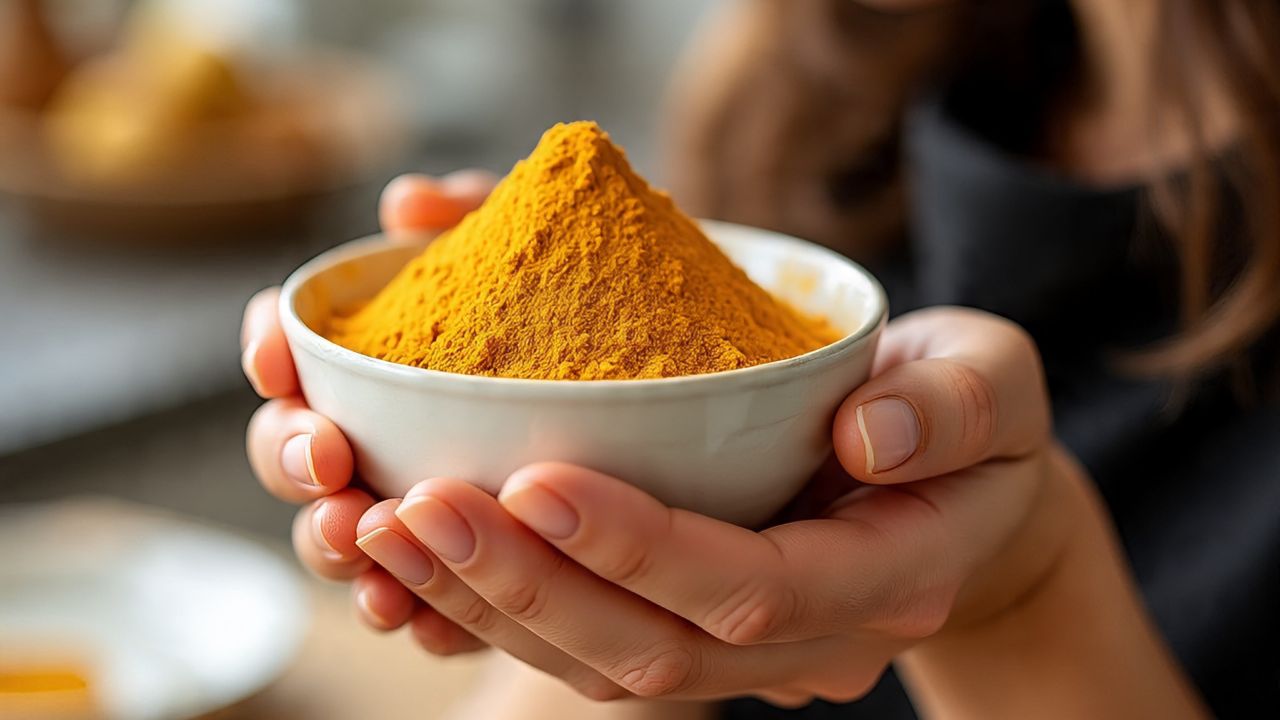
Diabetes is a condition wherein you have elevated levels of blood sugar. When you have high blood sugar persistently, it can affect your eyes, kidneys and nerves. Not just that, it also damages blood vessels, increasing the risk of cardiovascular problems. Researchers have now found an Indian kitchen spice that may help in protecting blood vessels from some of this damage. The spice is turmeric, and the compound is curcumin, which gives turmeric its bright yellow colour. A new study in rats with Type 1 diabetes found that curcumin treatment improved blood vessel health.
The researchers observed less inflammation, better calcium regulation inside blood vessels and improvements in the structure and function of the aorta. After about a month of treatment, the vascular health of the diabetic rats were similar in several respects to that of non-diabetic animals. However, the findings are still preliminary because the research was conducted in animals, and not humans.
What Did The Study Find?
The research focused on how Type 1 diabetes affects the blood vessels. Persistently high blood sugar can cause changes in the walls of blood vessels and interfere with the way they contract and relax. Over time, these changes can contribute to cardiovascular disease.
To investigate whether curcumin could help, researchers used male rats with Type 1 diabetes. Some diabetic rats were given curcumin for 28 days, while another diabetic group did not receive the compound. The researchers then examined their blood vessels, particularly the aorta, the body's largest artery.
After the treatment period, the rats receiving curcumin showed improved vascular function. The researchers also found changes in inflammation, calcium activity and a protein called heat shock protein 70, or HSP70, which plays an important role in protecting cells and regulating blood vessel function.
Swasti Rastogi, a PhD candidate at Florida Institute of Technology, and the first author of the study, said, "Curcumin acts as more than a simple compound found in a spice or an antioxidant. It not only helps to improve blood sugar levels but also reduces inflammation, restores cellular responses, and preserves both structure and function of the aorta in Type 1 diabetes."
How Could Turmeric Protect Blood Vessels?
Curcumin is known for its antioxidant and anti-inflammatory properties. The new findings suggest that its potential benefits in diabetes may go beyond these commonly discussed effects.
1. It may reduce inflammation
Long-term diabetes can create a state of increased inflammation in the body. This can contribute to damage in blood vessels. In the study, curcumin reduced markers associated with inflammation in diabetic rats. This suggests that controlling inflammation could be one way the compound helps improve vascular health.
2. It may improve calcium regulation
Calcium ions help blood vessel muscles contract and relax. Diabetes can disturb this process, causing blood vessels to become overly reactive or contract more strongly than they should. The researchers found that curcumin helped normalise abnormal calcium movement in the aorta of diabetic rats. This improved calcium handling was linked to better vascular function.
3. It may restore HSP70 balance
HSP70 is a group of proteins involved in protecting cells from stress. In diabetes, the balance between HSP70 inside cells and HSP70 circulating outside cells can become disturbed. The study found that curcumin increased protective intracellular HSP70 in the aorta while reducing circulating HSP70. This helped restore the balance towards levels seen in non-diabetic animals and was linked with a less inflammatory state.
4. It may help maintain the structure of arteries
Diabetes can alter the composition of blood vessel walls, including changes in collagen and elastin. Elastin helps arteries remain flexible, while collagen provides strength. Researchers found that curcumin reduced excess collagen deposition and helped restore elastin levels in diabetic rats. This suggests that the compound may help protect both the structure and function of blood vessels.
Does This Mean Turmeric Can Treat Diabetes?
While the findings are encouraging, it doesn't prove that eating turmeric can treat diabetes or prevent its complications in humans. The researchers specifically studied a rat model of Type 1 diabetes. The animals were given a controlled amount of curcumin, and the study examined biological effects that cannot automatically be reproduced by adding a small amount of turmeric to food.
There is also an important difference between turmeric and concentrated curcumin preparations. Turmeric contains curcumin along with many other compounds, while supplements can contain much higher concentrations. Curcumin also has relatively poor absorption in the body, making it difficult to determine what dose would be effective and safe for humans.
Turmeric can certainly be part of a balanced diet and is widely used in Indian cooking. But people with diabetes should not view it as a replacement for prescribed medicines, insulin, regular physical activity or dietary management.
Disclaimer: This content including advice provides generic information only. It is in no way a substitute for a qualified medical opinion. Always consult a specialist or your own doctor for more information. NDTV does not claim responsibility for this information.