

)
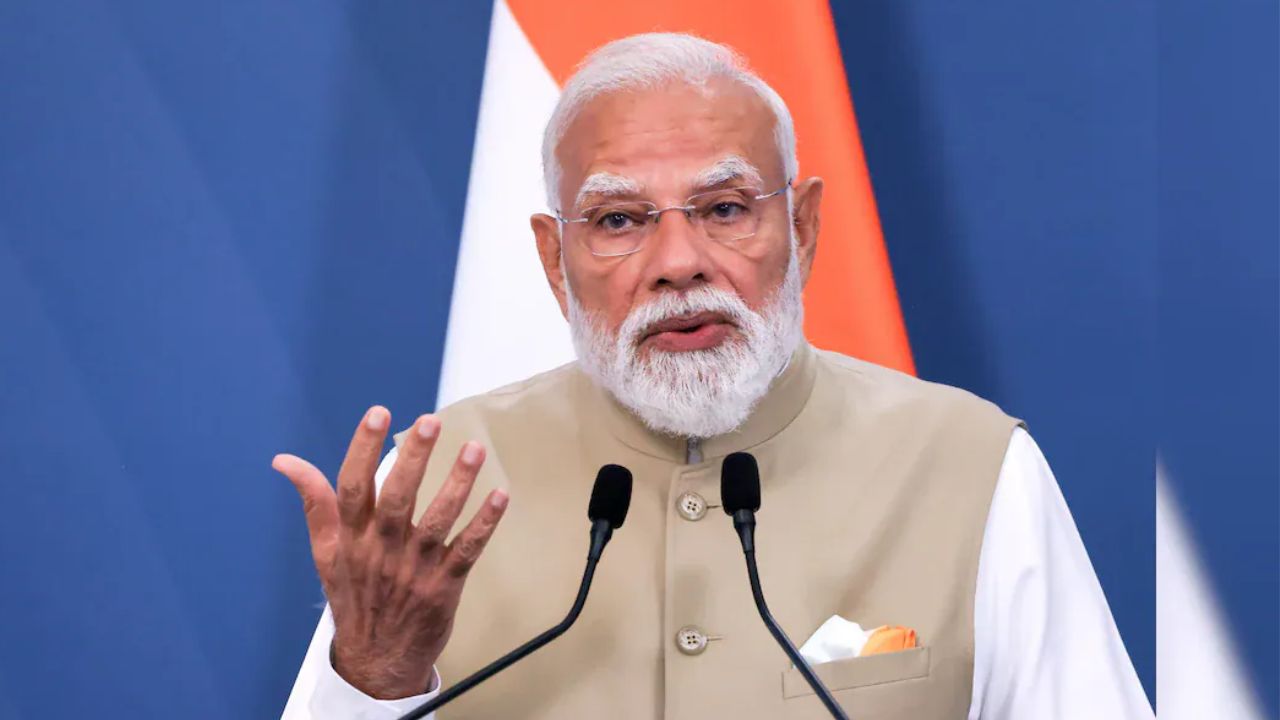
Prime Minister Narendra Modi turns 76 today, September 17. Over the years, he has spoken publicly about his lifestyle, including yoga, walking, breathing exercises, meditation, fasting and mindful eating. His fitness routine has also attracted attention because of his demanding work schedule, frequent travel and long public engagements. From his yoga sessions to his preference for simple food, several details about the Prime Minister's wellness habits have emerged through interviews, public speeches, social media posts and accounts shared by colleagues. However, experts point out that these habits should not be copied blindly, especially by older adults with existing medical conditions. Here are five broad fitness rules associated with PM Modi's publicly discussed routine, along with expert advice on how similar habits may support healthy ageing.
1. Make Physical Activity A Daily Habit
Regular movement is one of the most important factors in maintaining health with age. Walking, stretching, yoga and age-appropriate strength exercises can help support mobility, balance, cardiovascular health and independence.
PM Modi has frequently spoken about the importance of walking. In the past, he has also shared details of a walking path inspired by the concept of Panchtatva, or the five elements. Reports have described him walking barefoot on surfaces such as grass, soil and pebbles as part of this routine. However, barefoot walking is not suitable for everyone, particularly people with diabetes, reduced sensation in the feet or balance problems.
Dr Anil Thakwani, Director and Head, Oncology, ShardaCare - Healthcity, said that fitness in later life is more about consistency than following a rigid workout plan. "From an oncology perspective, maintaining fitness with age is less about following a rigid routine and more about consistency in everyday habits. Regular physical activity, a balanced diet rich in vegetables, fruits, whole grains and adequate protein, maintaining a healthy weight, getting sufficient sleep and managing stress can support overall health as we age," he said. Dr Pushkar Chawla, Director and Unit Head, Orthopaedics, ShardaCare - Healthcity, added that older adults do not necessarily need intense workouts to remain fit. "At 76, maintaining mobility, muscle strength and joint health requires consistency rather than intense workouts," he said. Walking can help maintain stamina, while strength exercises may help preserve muscle mass and bone density. However, people should begin gradually and avoid sudden increases in workout intensity.
2. Practise Yoga, Pranayama And Meditation
Yoga has been a recurring part of PM Modi's publicly discussed wellness routine. He has spoken about yoga, Surya Namaskar and breathing exercises, while government events have also highlighted his association with the practice. At the International Day of Yoga 2026 event in Kolkata, PM Modi spoke about yoga in the context of healthy ageing and described it as more than a physical exercise. The event's theme was "Yoga for Healthy Ageing". Reports about his routine have also mentioned morning yoga sessions involving Surya Namaskar, pranayama and other asanas. Some accounts have referred to his use of yoga nidra, a guided relaxation practice, to support rest and relaxation.
Dr Atampreet Singh, Senior Director and Head, Neurology, ShardaCare - Healthcity, said yoga and stretching can be particularly useful for older adults. "If discussing PM Modi's publicly known fitness habits, five broad principles are particularly relevant: regular physical activity, yoga and stretching, adequate sleep and recovery, a balanced diet, and maintaining mental engagement and social activity," he said.
"Exercise can support blood flow to the brain, improve coordination and reduce the risk of falls. Yoga may also help flexibility, balance and stress management," he added. However, older adults with arthritis, back problems, dizziness or balance difficulties should perform yoga under qualified supervision. Certain advanced postures may increase the risk of falls or joint injuries.
3. Follow A Simple Diet And Avoid Overeating
PM Modi has often been described as following a simple vegetarian diet. Reports and past interviews have mentioned foods such as khichdi, dal, rice, poha, vegetables and Gujarati-style dishes. He has also spoken about his preference for drumstick, or moringa, paratha, which reports say he eats occasionally. His dietary habits have also included fasting. Some reports have stated that he avoids eating after 6 pm, while other accounts have discussed his preference for light meals and controlled portions. These details describe his reported personal routine, not a universal diet recommendation.
Dr Vineet Kumar Gupta, Senior Consultant and Unit Head, Gastroenterology, ShardaCare - Healthcity, said that digestive health becomes increasingly important with age. "Maintaining fitness with advancing age begins with protecting digestive health and following a consistent lifestyle. A balanced, fibre-rich diet with adequate vegetables, fruits, whole grains and protein can support gut health and regular bowel movements," he said. "Portion control and avoiding excessive fried, ultra-processed and sugary foods are equally important. Adequate hydration is essential, while alcohol and tobacco should be avoided," he added.
Dr Chawla also recommended adequate protein, calcium and vitamin D to support muscle and bone health. For older adults, the focus should be on a balanced diet rather than extreme fasting or restrictive eating. People with diabetes, kidney disease, digestive disorders or those taking regular medicines should consult a doctor before making major changes to meal timings or fasting habits.
4. Give Importance To Sleep And Recovery
PM Modi's sleep routine has been discussed in several media reports. Some accounts have claimed that he sleeps for around three-and-a-half to four hours a day, while other reports have referred to five hours or less. These claims describe reported habits, but they should not be treated as evidence that very little sleep is healthy for everyone. Most older adults still need adequate, good-quality sleep. Sleep supports memory, mood, immunity, metabolism and physical recovery. Insufficient sleep may increase fatigue and can affect concentration, balance and overall well-being.
Dr Chawla said recovery should be treated as an essential part of any fitness routine. "Exercise should be age-appropriate and adapted to an individual's joint health, balance and fitness level. Older adults should also avoid suddenly increasing workout intensity, as this can increase the risk of muscle, tendon or joint injuries," he said. A consistent sleep schedule, comfortable sleeping environment and adequate rest between physically demanding activities can help older adults maintain a sustainable routine.
5. Stay Mentally Engaged And Manage Stress
Fitness in the 70s is not limited to physical strength. Mental engagement, social interaction and stress management can also contribute to quality of life. Dr Singh said that maintaining mental and social activity is an important part of healthy ageing. Reading, learning, interacting with others and maintaining a structured daily routine may help support cognitive and emotional well-being. Dr Thakwani also highlighted the role of stress management and healthy weight in reducing the risk of lifestyle-related conditions. "Regular physical activity, a balanced diet, maintaining a healthy weight, getting sufficient sleep and managing stress can support overall health as we age. These habits may also help reduce the risk of several lifestyle-related cancers, along with conditions such as diabetes and cardiovascular disease," he said.
A Previous Instance: PM Modi Arranged A Yoga Expert For Piyush Goyal
PM Modi's interest in yoga has also been discussed through accounts shared by Union Minister Piyush Goyal. In September 2025, Goyal recalled that during a meeting, PM Modi noticed that his throat was troubling him and suggested yoga therapy. According to Goyal's account, the Prime Minister later arranged for a yoga expert to help him. The incident highlighted PM Modi's stated interest in yoga as a wellness practice. However, yoga therapy should be undertaken with qualified guidance, particularly when someone has a medical complaint.
Other Publicly Discussed Health And Fitness Habits
Apart from yoga and walking, several other aspects of PM Modi's lifestyle have appeared in previous reports:
- Fasting: Reports have discussed his occasional fasting and preference for controlled eating windows.
- Simple vegetarian food: His reported diet includes traditional foods such as dal, rice, khichdi, vegetables and poha.
- Breathing exercises: Pranayama has been mentioned as part of his yoga routine.
- Meditation and relaxation: Reports have referred to meditation and yoga nidra as practices associated with his routine.
- Active schedule: Media reports frequently describe him as maintaining a packed daily schedule with long working hours.
These details are based on public accounts and media reports. They do not establish that the routine is responsible for his health or that the same schedule would be safe for another person.
What Older Adults Should Remember Before Exercising
Experts recommend individualising fitness routines according to age, medical history and physical capacity. Before starting or changing an exercise routine, older adults should consider:
- Existing heart, lung, joint or spine conditions
- Blood pressure and blood sugar levels
- Balance and fall risk
- Current muscle strength and stamina
- Previous injuries or surgeries
- Medication-related fatigue or dizziness
People who experience chest pain, unusual breathlessness, fainting, persistent dizziness, severe joint pain or sudden weakness during exercise should stop and seek medical advice. PM Modi's publicly discussed fitness habits include yoga, walking, breathing exercises, meditation, fasting and a simple vegetarian diet. Previous reports have also highlighted his interest in yoga therapy, mindful eating and walking practices. Experts, however, say the broader lessons are more important than copying a celebrity or political leader's exact routine. Regular physical activity, strength and mobility exercises, balanced nutrition, adequate sleep, stress management and mental engagement can support healthy ageing. At 76, consistency matters more than intensity. Fitness should be sustainable, age-appropriate and adapted to an individual's medical history and physical capacity.
Disclaimer: This content including advice provides generic information only. It is in no way a substitute for a qualified medical opinion. Always consult a specialist or your own doctor for more information. NDTV does not claim responsibility for this information.