

)
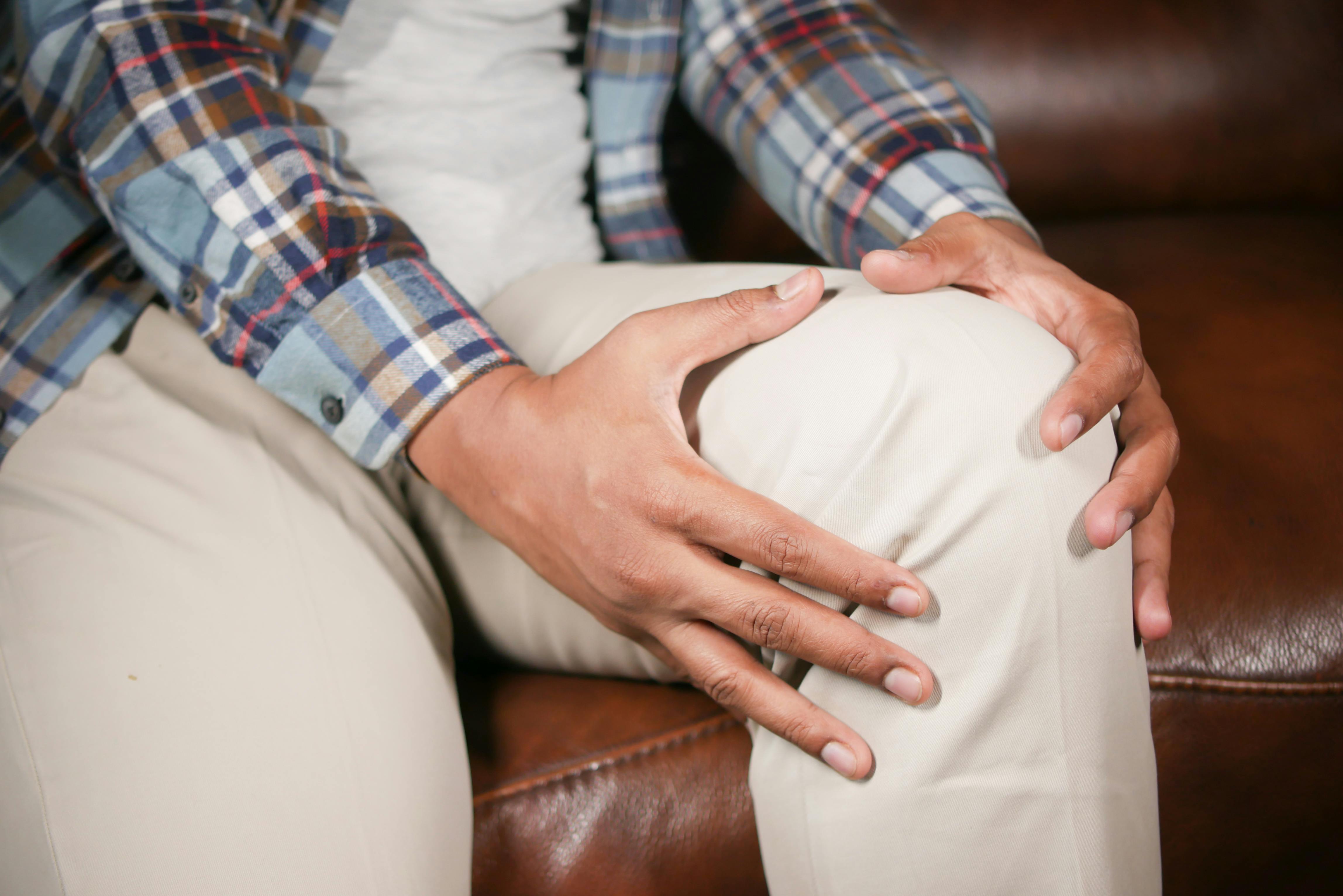
Your knees carry much of your body weight every day, helping you walk, climb stairs, sit down and stand up. Since they work constantly, small habits that repeatedly put extra stress on the joints can add up over time. Not every knee problem is caused by ageing or injury. The way you walk, sit and exercise every day can also affect how much pressure your knees experience. Some habits may seem harmless because they do not cause immediate pain.
However, repeatedly overloading the knees, staying inactive for long periods or using poor movement patterns may lead to stiffness, muscle weakness and joint discomfort. This does not mean these habits will automatically damage the knees, but changing them can help improve joint health and movement as you age.
Habits That Are Weakening Your Knees
1. Sitting For Long Hours
Spending most of the day sitting can weaken the muscles that support the knees, especially the quadriceps and gluteal muscles. When these muscles become weaker, the knee may have less support during everyday movements. Long periods of sitting with the knees bent can also cause stiffness when you finally get up. Try to stand, walk around or gently move your legs at regular intervals instead of remaining seated for several hours continuously.
2. Climbing Stairs Excessively
Stairs are a useful form of physical activity, but repeatedly climbing many flights without adequate strength or conditioning can increase the load on the knees. This may be uncomfortable for people who already have knee pain or weak leg muscles. If stairs are part of your daily routine, build your strength gradually. Pay attention to your posture and avoid rushing up or down.
3. Exercising Without Warming Up
Starting a workout suddenly, especially one that involves running, jumping or squats, can place unnecessary stress on muscles and joints. A warm-up increases blood flow gradually and prepares the body for movement. Spend a few minutes doing gentle movements before performing demanding exercise. Increasing workout intensity gradually can reduce the risk of overuse and injury.
4. Ignoring Knee Pain During Exercise
One common mistake is assuming that pain is something that should simply be pushed through. While some muscle soreness after exercise can be normal, persistent or worsening knee pain needs attention. Continuing an activity that repeatedly causes pain can aggravate an existing problem. Modify the activity, reduce the intensity and seek medical advice if you have persistent pain.
5. Wearing Unsupportive Footwear
The feet and knees work together when you walk. Shoes that do not fit properly or provide adequate support can affect the way your foot strikes the ground and may affect movement through the leg. This does not mean everyone needs specialised footwear. Choose comfortable and properly fitting shoes that are appropriate for the activity you are doing, particularly when walking or exercising for long periods.
6. Being Physically Inactive
Avoiding exercise altogether can be just as problematic as overdoing it. Strong muscles around the hips and thighs help support the knee and make everyday movements easier. Low-impact activities such as walking, cycling or swimming can help maintain mobility and strength. If you have existing knee problems, you should discuss the appropriate activity and intensity with a professional.
7. Carrying Extra Body Weight
The knees experience considerable pressure during everyday activities, and carrying additional body weight can increase the load placed on them. Over time, this may lead to knee discomfort and problems such as osteoarthritis. Weight management should focus on sustainable habits rather than extreme diets. A combination of balanced nutrition and physical activity can help improve both overall health and joint function.
8. Using Poor Technique During Squats And Lifting
How you perform exercises also matters. Poor technique during squats, lunges or lifting can add unnecessary stress on the knees, particularly when using heavy weights or performing many repetitions. Keep movements controlled and learn proper technique before increasing resistance. If you are new to strength training, working with a trainer or physiotherapist can be beneficial.
Disclaimer: This content including advice provides generic information only. It is in no way a substitute for a qualified medical opinion. Always consult a specialist or your own doctor for more information. NDTV does not claim responsibility for this information.