

)
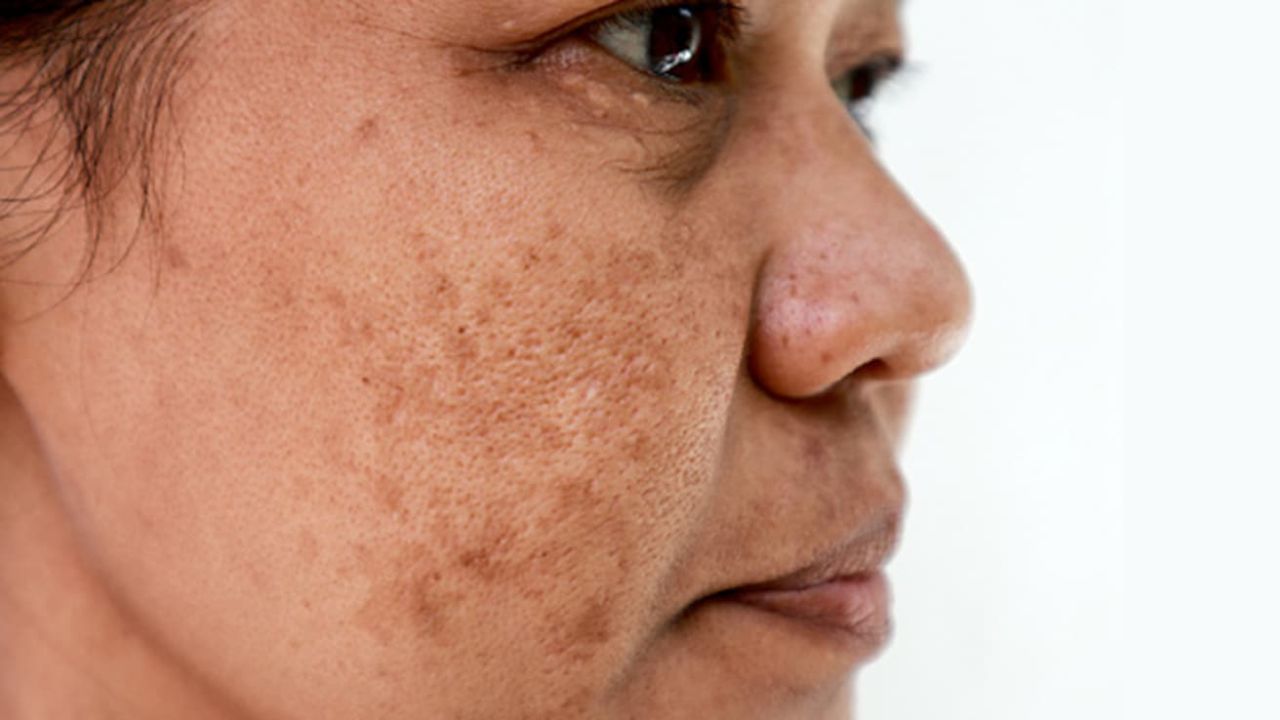
Pigmentation is often treated like a surface-level skin issue. Creams, serums, peels, and lasers become the first line of action. But many people notice a frustrating pattern. The marks fade for a while, then quietly return. That is because pigmentation is rarely just about the skin. It is closely linked to what is happening inside the body, especially digestion, hormones, stress, and sleep. This is exactly what nutritionist Palak Nagpal highlights in her recent Instagram video. She explains that pigmentation is “not just skin-deep” and shares how internal health plays a big role in how stubborn or recurring pigmentation can be. Her message is simple. If the body is inflamed or stressed, the skin shows it.
Here is a clear breakdown of what the nutritionist shared
Gut Health And Digestion Matter
Research shows that people dealing with pigmentation often have gut inflammation, poor nutrient absorption, and higher oxidative stress. When digestion is weak, the skin does not get what it needs to repair itself.
Daily changes Palak Nagpal suggests:
- Eat simple, home-cooked meals
- Avoid constant munching
- Chew slowly
- Stop eating when you feel about 80 percent full
Liver Function And Detox
Palak Nagpal explains that pigmentation can become stubborn when liver clearance is sluggish. When hormones are not cleared properly and inflammation stays high, pigment cells get overstimulated. This is why pigmentation often comes back even after treatments.
Daily changes to support the liver:
- Add seasonal vegetables like lauki, karela, and methi
- Use turmeric and black pepper in cooking
- Drink enough water
- Avoid alcohol and late-night heavy meals
Hormones, Sugar And Stress
Studies link pigmentation with insulin resistance, estrogen dominance, and cortisol imbalance. These internal imbalances quietly affect melanin production.
Daily changes nutritionist recommends:
- Reduce refined sugar
- Pair carbs with protein or fat
- Do not skip meals
- Maintain a regular eating schedule
Stress alone can worsen pigmentation by increasing inflammation and cortisol.
Simple stress-care habits:
- 5 to 10 minutes of deep breathing
- Daily walking or any physical activity
- Avoid multitasking while eating
- Journaling
As the nutritionist points out, a calm nervous system signals safety, and skin heals better in that state.
Sleep And Circadian Rhythm
Science shows melanin regulation is linked to sleep and circadian rhythm. Poor sleep raises oxidative stress, worsens insulin resistance, and increases cortisol.
Daily sleep habits to follow:
- Sleep before midnight
- Keep consistent sleep timings
- Reduce screen use at night
Skin repair happens when the body rests, not when it stays alert.
Palak Nagpal's overall message is clear. Pigmentation needs a whole-body approach. When digestion, hormones, stress, and sleep are supported, the skin responds better and stays healthier for longer.
Disclaimer: This content including advice provides generic information only. It is in no way a substitute for a qualified medical opinion. Always consult a specialist or your doctor for more information. NDTV does not claim responsibility for this information.