



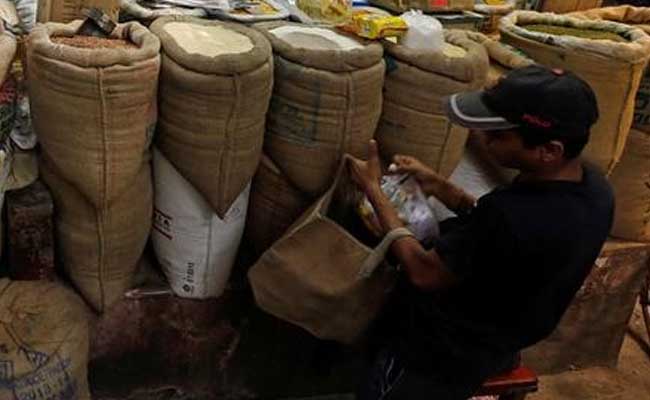
- US-Israel air strikes have disrupted basmati rice exports from Haryana to Iran and the middle-east
- Haryana contributes 40 per cent of India's basmati exports, Iran is a major buyer facing shipment delays
- Strait of Hormuz closure has stalled shipments, leaving 1.5 lakh tonnes of basmati rice stranded at ports
The ripple effects of the US-Israel air strikes on Iran are being felt far beyond the conflict zone - all the way to India's basmati heartland. Haryana's rice mills are slowing down, exporters are under pressure, and nearly 1.5 lakh metric tonnes of basmati rice meant for Iran is stuck amid escalating uncertainty.
Prices Slide After Sudden Export Halt
After the air strikes, basmati prices in the domestic market have dropped by Rs 400-500 per tonne - a massive reverse after a major agreement with Iran's state agency, the Government Trading Corporation of Iran (GTC), had sparked optimism last month.
Under the deal, India was set to export around 1.5 lakh metric tonnes of basmati rice to Iran. The announcement had pushed prices up by Rs 4 to Rs 5 per kg. The current geopolitical tension, however, has reversed that trend, dragging the market back into a downturn.
Haryana's 40 Per Cent Share At Risk
Haryana accounts for nearly 40 per cent of India's total basmati rice exports. Key districts such as Kaithal, Karnal, and Kurukshetra are known for producing premium-quality basmati varieties.
Iran, Iraq, and Saudi Arabia are among the largest buyers of Haryana's basmati rice, while exports also reach several European countries. Iran being a major destination, any disruption in trade significantly impacts the state's rice economy.
Strait of Hormuz Closure Freezes Shipments
Exporters say shipments have been halted at ports due to disruptions in the Strait of Hormuz, a critical maritime route for trade in the middle-east. The uncertainty has effectively stalled consignments heading towards the region.
Narender Miglani, a Kaithal-based rice exporter whose family has been in the business for generations, says nearly 2 to 2.5 lakh metric tonnes of rice was scheduled for export, including about 1.5 lakh metric tonnes destined for Iran.
Much of it has either reached ports or is awaiting clearance - but vessels are not moving forward.
The urgency was heightened due to Nowruz demand in Iran, prompting exporters to dispatch shipments quickly. However, the cargo is now stranded.
No Insurance Cover, Full Risk on Exporters
According to Miglani, war-related shipments are not covered by insurance companies, leaving exporters to bear the full financial risk. With payments stuck and goods stranded, pressure is mounting.
Exporters are now urging the government to step in and provide support, particularly for consignments already stuck at ports.
What Lies Ahead?
If tensions escalate further and regional instability continues, India's basmati trade could face deeper setbacks.
A prolonged disruption may lead to further price drops, increased financial stress for exporters, and potential losses for farmers and millers alike.
For now, uncertainty looms large over Haryana's basmati belt - and the industry is watching both the geopolitical situation and government response closely.
Track Latest News Live on NDTV.com and get news updates from India and around the world

