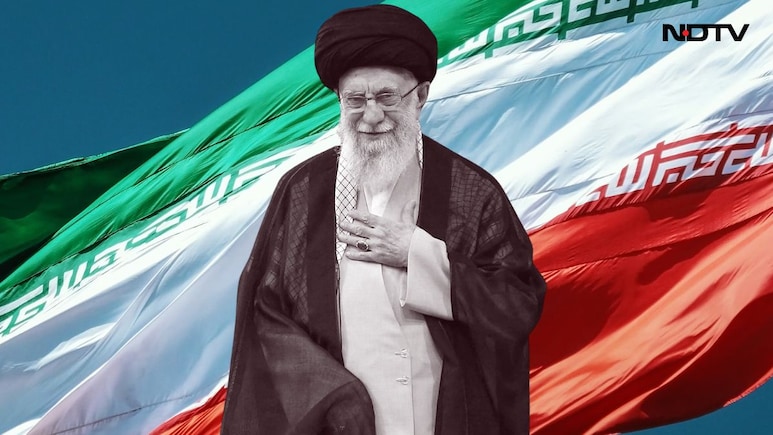
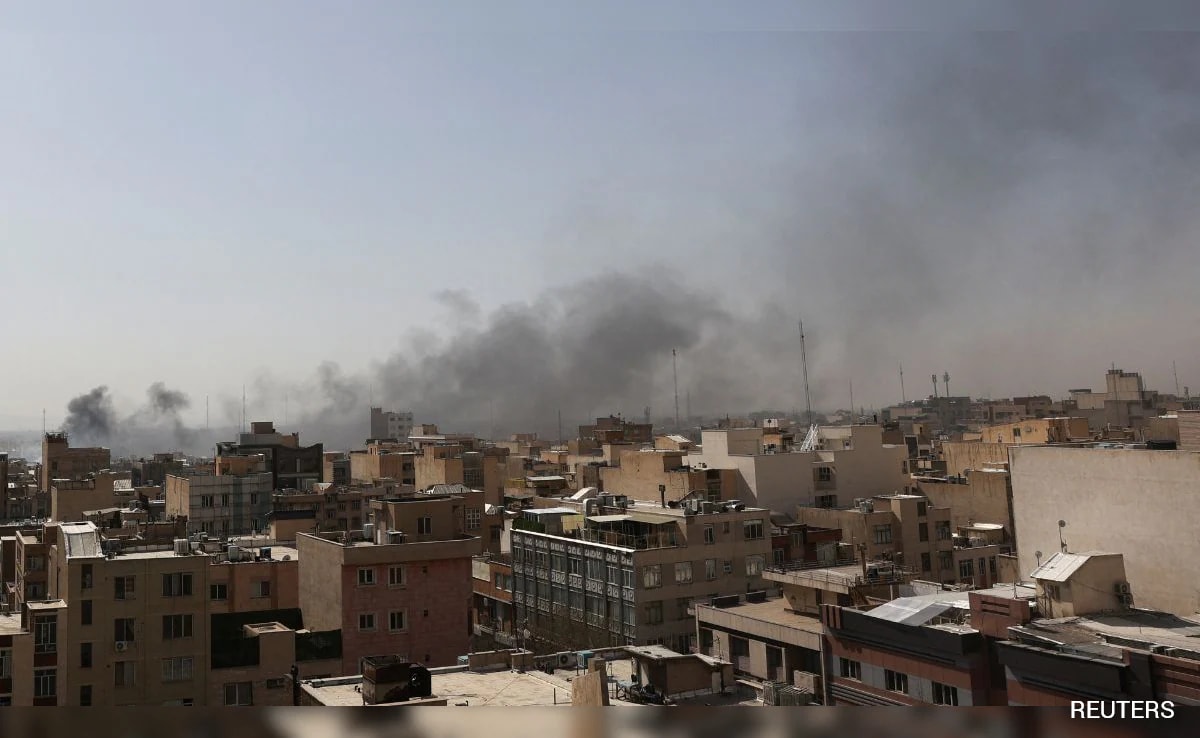
The death of Iran's Supreme Leader Ayatollah Ali Khamenei in US-Israel strikes over the weekend has sparked intense political debate in India, with the opposition demanding a formal statement from the government. Prime Minister Narendra Modi's administration has maintained a studied silence, opting instead for calls for restraint and de-escalation amid escalating regional tensions. This stance mirrors the response of most major global powers, sources said.
PM Modi Stresses On Dialogue And Diplomacy
PM Modi today said that the situation in West Asia (Middle East) was a matter of grave concern. "India stands for peace and stability," he said while addressing a joint press briefing with Canadian Prime Minister Mark Carney.
-

-
 Best Of NDTV World Summit 2026 | Defining Conversations, Big Ideas
 -
 PM Modi Says 'Parasite' Congress Hurts 'Honest' Dissent Movements
 -
 "Some Dreaming Of Disorder": PM Modi's Dig At Rahul Gandhi
 -
 PM Modi Highlights India's Firsts: Fast Breeder Reactor, Hydrogen Train, Asian Games Medals
 -
 "UN's Limits Clearly Visible": PM Modi Presses For 'New Solutions' At NDTV Summit
 -
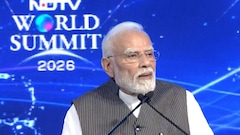 "World That Relied On India's Brainpower Now Trusts Its Mindpower": PM Modi
 -
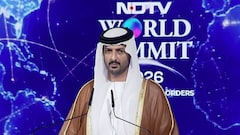 Non-Oil Trade With India Went Up 50% In 3 Years: UAE Minister At NDTV Summit
 -
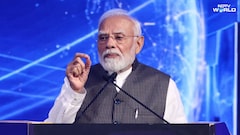 "Some Dreaming Of Disorder": PM's "Failed Product Of Congress" Jibe At Rahul Gandhi
 -
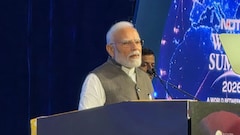 'Viksit Bharat Not Just For Us': PM Modi's Top Quotes At NDTV World Summit
 -
 Has Indian Cuisine Arrived At The Global Stage? What Vir Sanghvi Believes
"India has always called for dialogue and diplomacy to find a solution to such disputes," he said, underlining New Delhi's longstanding position on peaceful resolution of conflicts.
Follow LIVE Updates on US-Israel Strikes
No G7 Democracy Issued Condolences
A global survey of reactions reveals a stark pattern. No G7 democracy has issued condolences. US President Donald Trump termed Khamenei as "one of the most evil people in history."
Also Read | Trump Was Asked Who Will Replace Iran's Khamenei. What He Said
Israeli Prime Minister Benjamin Netanyahu declared, "For 47 years, the regime chanted 'Death to Israel.' Justice has been served."
Argentina's Javier Milei labeled him "one of the most evil, violent, and cruel persons ever."
Ukraine's government account posted, "Nothing beats the death of a dictator."
UK Defence Secretary John Healey stated few would mourn the leader of an "evil regime."
Australia's Anthony Albanese cited Iran's ballistic missiles and proxy support, while France's government spokeswoman said they could "only be satisfied with his demise."
Canada's Mark Carney called Iran the "principal source of instability" in the Middle East.
The EU's Kaja Kallas remained neutral, viewing it as a "defining moment" for a potentially different Iran.
Gulf states, key Indian partners hosting over nine million Indian expatriates, were hostile or silent. Saudi Arabia stayed mum as the Gulf Cooperation Council (GCC) held an emergency meeting against Iranian strikes. The UAE, under missile attack from Iran, closed its Tehran embassy and withdrew its ambassador. Japan and Germany expressed concerns over stability and escalation but issued no mourning statements.
Of 57 Organisation of Islamic Cooperation (OIC) members, fewer than 10 condoled-limited to Iran's allies like Russia (Vladimir Putin called it a "cynical murder"), China (Foreign Minister Wang Yi deemed the killing "unacceptable"), North Korea, Shia-majority Iraq (three days of mourning), Turkey (Recep Erdogan saddened), Pakistan (Shehbaz Sharif violation of rules), and Malaysia (Anwar Ibrahim).
Also Read | "Oman Not Our Choice": Iran Minister Says Elite Force Now "Independent"
India Urges Restraint
India's position aligns with these national-interest-driven responses. The Ministry of External Affairs (MEA) urged restraint, dialogue, and condemned Iran's attacks on UAE allies, while chairing the Cabinet Committee on Security. This comes as section of Iranians celebrated in Tehran, Karaj, Isfahan, and Shiraz streets. Opposition's framing of India's silence as communal lacks echo even among Muslim-majority nations.
Four Times Khamenei Interfered In India's Affairs
Per government sources, Khamenei's record with India was fraught. From 2017-2024, he interfered four times in internal affairs, prompting MEA summons of Iranian envoys each time.
In 2017, he rallied Muslims for "oppressed" Kashmiris, echoing Pakistan. Post-Article 370 revocation in 2019, he demanded a "just policy." During 2020 Delhi riots, he tweeted of a "massacre of Muslims" by "extremist Hindus," using #IndianMuslimsInDanger, ignoring Hindu victims and mirroring Pakistani narratives. Iran's parliament slammed the Citizenship Amendment Act as anti-Muslim. In September 2024, he equated India with Gaza and Myanmar in a tweet to 2.7 million followers, deemed "misinformed" by the MEA.
Also Read: Iran's Drones Hit Aramco Oil Refinery In Saudi Arabia
India's Response To Iran Over The Years
Government sources point out that Congress-led UPA voted against Iran thrice at IAEA (2005, 2006, 2009) during US nuclear deal talks-despite Tehran threats over a Rs 1 lakh crore LNG deal. Resolutions found non-compliance, referred to UNSC, censured enrichment at a secret facility in Qom. US official Stephen Rademaker admitted coercion. NDA abstained in 2022. In June 2025 Shanghai Cooperation Organization (SCO) statement post-Israeli strikes, India rejected anti-Israel text, issuing its own de-escalation call. Post-2018 Joint Comprehensive Plan of Action (JCPOA) US exit, India slashed Iranian oil imports from 10-12 per cent to near-zero due to Countering America's Adversaries Through Sanctions Act (CAATSA), payments, diversifying to Saudi, UAE, Russia.
On the other hand, Israel's opposition exemplified unity. Benny Gantz praised IDF/Mossad, offering security briefings: "We are one people with one interest-survival." Gadi Eisenkot called it "long overdue, surgically executed." Joint Knesset affirmed threat elimination rights; Lapid-Gantz backed Israel's security on global TV.
Sovereign responses prioritise national interest. India's calibrated silence safeguards ties with Gulf partners under attack, ignores a leader hostile to its affairs, and follows global democratic precedent. The opposition's demands ignore history and context, risking needless controversy.
Track Latest News Live on NDTV.com and get news updates from India and around the world


