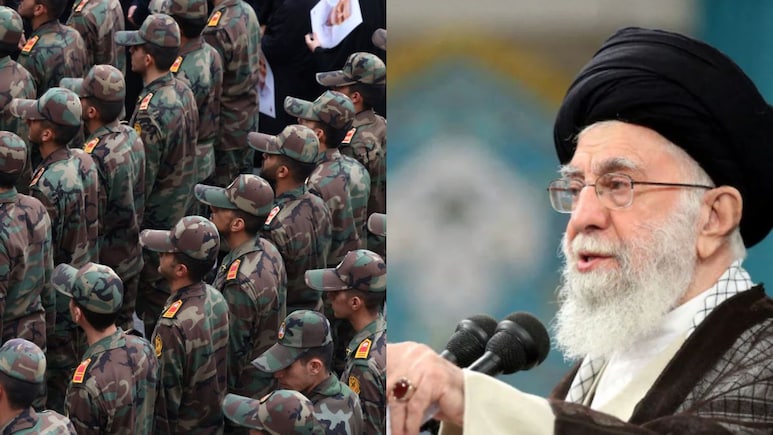
The Islamic Revolutionary Guard Corps (IRGC), Iran's elite force spearheading the counter-attack against the US and Israel, is acting independently, Iran's Foreign Minister has said, stressing that its attack on Oman "was not our choice".
The IRGC, established by Ruhollah Khomeini in May 1979 in the aftermath of the Iranian Revolution, is separate from the traditional Iranian Army. According to a BBC report, following the 1979 regime change, Iran's ruling clergy introduced a new constitution that provided for both a regular military (Artesh) to defend Iran's borders and maintain order, and a separate Revolutionary Guard (Pasdaran), to protect the Islamic system in Iran.
IRGC reports to the Supreme Leader of Iran, a position occupied by Ayatollah Ali Khamenei before he was killed during the US-Israel offensive yesterday. This effectively means that the IRGC is headless now and functioning independently.
Iranian Foreign Minister Araghchi:
— Clash Report (@clashreport) March 1, 2026
What happened in Oman was not our choice.
We have already told our Armed Forces to be careful about the targets they choose.
Our military units are now, in fact, independent and somewhat isolated, and they are acting based on general… pic.twitter.com/g0l9Te2HNa
"Not Our Choice"
Iran's Foreign Minister Abbas Araghchi made a shocking remark during an interview with Al Jazeera. Asked about the strike targeting an Oman port, he replied, "What happened in Oman was not our choice. We have already told our armed forces to be careful about the targets they choose."
He then added, "As a matter of fact, our military units are now in fact independent and somehow isolated, and they are acting based on instructions - you know, general instructions - given to them in advance."
The statement is significant. This effectively means that the IRGC is not functioning on the orders of the Iranian government, but according to the instructions Khamenei gave before his assassination.
According to an Associated Press report, Araghchi's comments also could be seen as an excuse for the attacks as Tehran tries to ease tensions with its neighbours in the Gulf.
Why Iran Is A Special Case
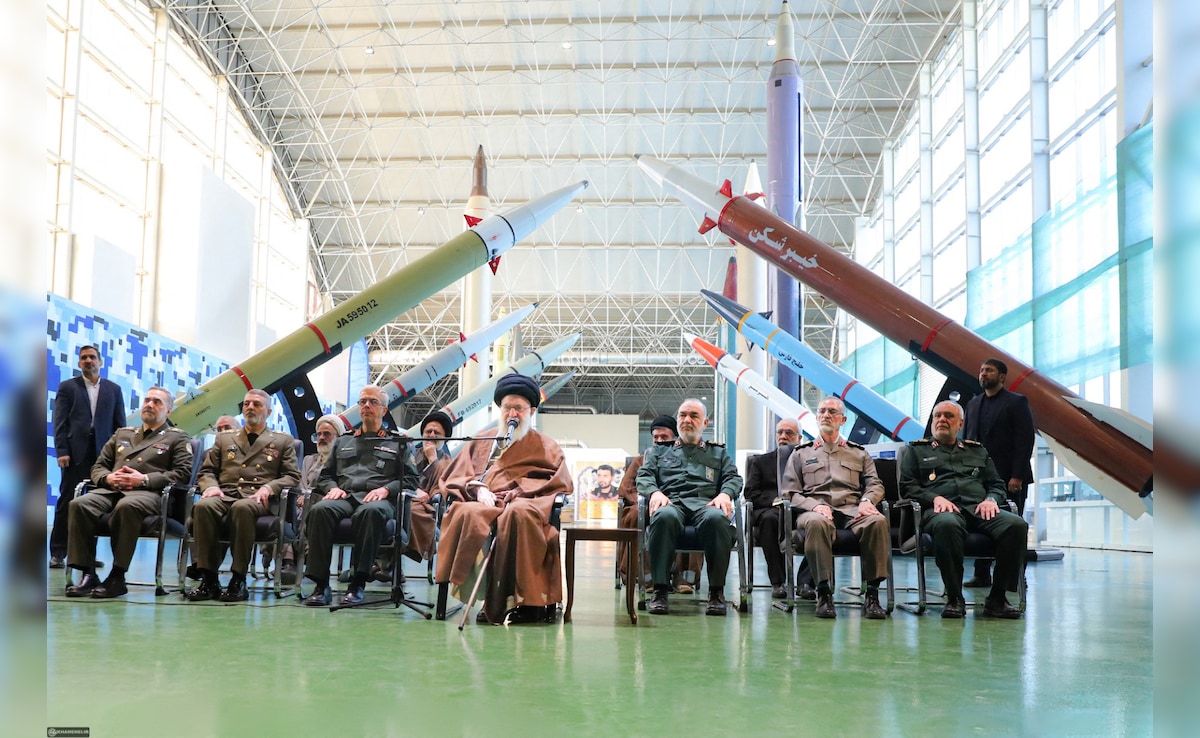
According to the Associated Press, it is routine for militaries around the world do contingency planning for wars, including what to do if their central governments are affected. "But Iran is a special case given that the Guard controls its vast ballistic missile arsenal and much of its stockpile of bomb-carrying drones," the report says.
Khamenei granted the IRGC powers to expand into a private enterprise: it runs a construction company, ports, telecommunication networks and even laser eye surgery centres. This means it has adequate resources at its disposal. And until the next Supreme Leader is elected, the IRGC has no boss.
The IRGC has vowed revenge for Khamenei's assassination. "The hand of revenge of the Iranian nation for a severe, decisive and regrettable punishment for the murderers of the Imam of the Ummah will not let go of them," the Guards posted on their Telegram page.
It added that the Iranian forces will "powerfully continue the path of their leader in defending his legacy, standing firm against internal and external plots and delivering what it described as a lesson-giving punishment to aggressors against the Islamic homeland".
An All-Round Fighting Force
IRGC has multiple wings. The BBC reported that despite having 200,000 fewer troops than the regular Iranian military, the Guards are considered the dominant military force in Iran.
The IRGC has its own ground forces, an air force and a navy. That's not all. It has a dedicated force, Quds, for covert operations. According to the Associated Press, the Quds Force was critical to creating what Iran describes as its "Axis of Resistance" against Israel and the US. "It backed Syria's former President Bashar Assad, Lebanon's militant Hezbollah group, Yemen's Houthi rebels and other groups in the region, growing in power in the wake of the US-led invasion of Iraq in 2003," the report said.
The IRGC has its intelligence arm and an all-volunteer arm called Basij. In fact, Basij functions as the Iranian theocracy's arm to crush domestic protests. During the recent December protests, Basij members were seen wielding long guns, batons and pellet guns, and beating and chasing protesters.
Track Latest News Live on NDTV.com and get news updates from India and around the world


