

)
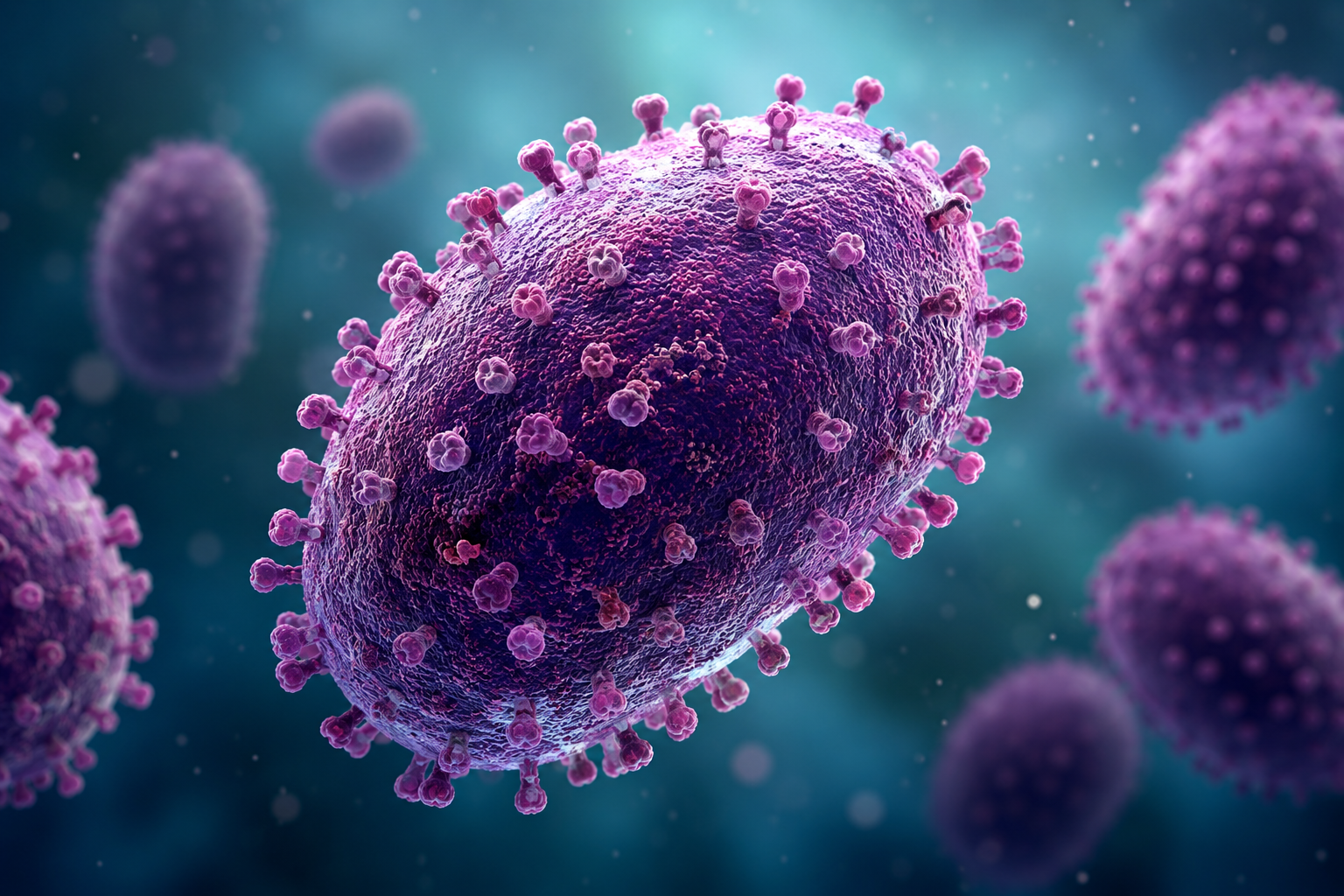
Artificial intelligence (AI) has reached another scientific milestone. For the first time, researchers have used AI to design viruses that do not exist anywhere in nature. Scientists at Stanford University and the Arc Institute created 16 new bacteriophages, or viruses that infect bacteria, after training AI models to understand how viral DNA is organised. The study, published in the journal Science, says that the viruses were not copied from nature but designed from scratch by AI before being built in the laboratory.
This breakthrough could eventually help tackle antibiotic-resistant bacterial infections, which is one of the world's biggest public health threats. However, it has also sparked debate over biosafety and biosecurity. While the AI-designed viruses used in the study target bacteria and are not known to infect humans, experts say the technology highlights the growing need for stronger oversight. Scientists stress that the same tools that could revolutionise medicine must also be used responsibly to prevent misuse.
What Did Scientists Actually Create?
The researchers developed AI models that learned patterns from millions of naturally occurring bacteriophage genomes. Instead of simply modifying existing viruses, the AI generated entirely new genetic blueprints that had never been seen before. The team then synthesised these genomes in the laboratory.
Out of hundreds of AI-generated designs, 16 turned into functional viruses capable of infecting and killing Escherichia coli (E. coli) bacteria. This is the first time AI has successfully designed complete, self-replicating viruses that are not found in nature.
The researchers in the study wrote, "Our approach expands what synthetic genomics can achieve alongside methods such as directed evolution and rational engineering, lays out a path for generating adaptive and resilient phage therapies against rapidly evolving pathogens, and establishes a foundation for the generative design of larger, more complex genomes."
Why Is This Important?
Bacteriophages, commonly called phages, are viruses that infect bacteria rather than humans or animals. They have gained attention because they can destroy bacteria that no longer respond to antibiotics. Finding effective phages in nature is often slow and unpredictable.
However, AI could dramatically speed up this process by designing viruses tailored to attack specific harmful bacteria. This may lead to faster development of treatments for certain bacterial infections, especially those caused by antibiotic-resistant microbes. Researchers also believe this technology could advance synthetic biology by allowing scientists to engineer biological tools more efficiently.
Does This Mean AI Can Now Create Human Viruses?
No, the viruses created in this study only infect bacteria and are not designed to infect humans, animals or plants. However, experts say the research demonstrates that AI is becoming increasingly capable of understanding and designing complex biological systems. As these technologies continue to improve, there is concern that they could eventually be misused to design harmful pathogens if proper safeguards are not in place.
Speaking to Al Jazeera, Fatemeh Vafaee, a professor at the UNSW School of Biotechnology & Biomolecular Sciences in Sydney, said that while the study itself posed no tangible risk to humans, as phages can only infect bacteria, the methods involved could conceivably be used for harm.
"So, it's less 'should we worry about this virus' and more 'AI can now do this at all', which is why researchers are already calling for stronger biosecurity oversight as a forward-looking precaution rather than a response to any actual danger here," said Vafaee.
What Are The Potential Benefits?
If developed responsibly, AI-designed viruses could have several important applications:
- Treat infections caused by antibiotic-resistant bacteria
- Speed up the discovery of new phage therapies
- Help scientists better understand how viruses evolve and function
- Improve biotechnology by creating customised biological tools
- Reduce the time and cost involved in developing new treatments
What Are The Risks?
The same technology that enables medical innovation also raises important ethical and security questions. Some experts worry that advanced AI models could one day be used to design harmful biological agents or pathogens that existing surveillance systems may not recognise immediately. Others point out that current oversight of AI-powered biotechnology is still evolving and may not be sufficient for future developments.
Many researchers are therefore calling for stronger governance, including careful monitoring of DNA synthesis, responsible sharing of research, and international guidelines to ensure that powerful AI tools are used safely.
Disclaimer: This content including advice provides generic information only. It is in no way a substitute for a qualified medical opinion. Always consult a specialist or your own doctor for more information. NDTV does not claim responsibility for this information.