

)
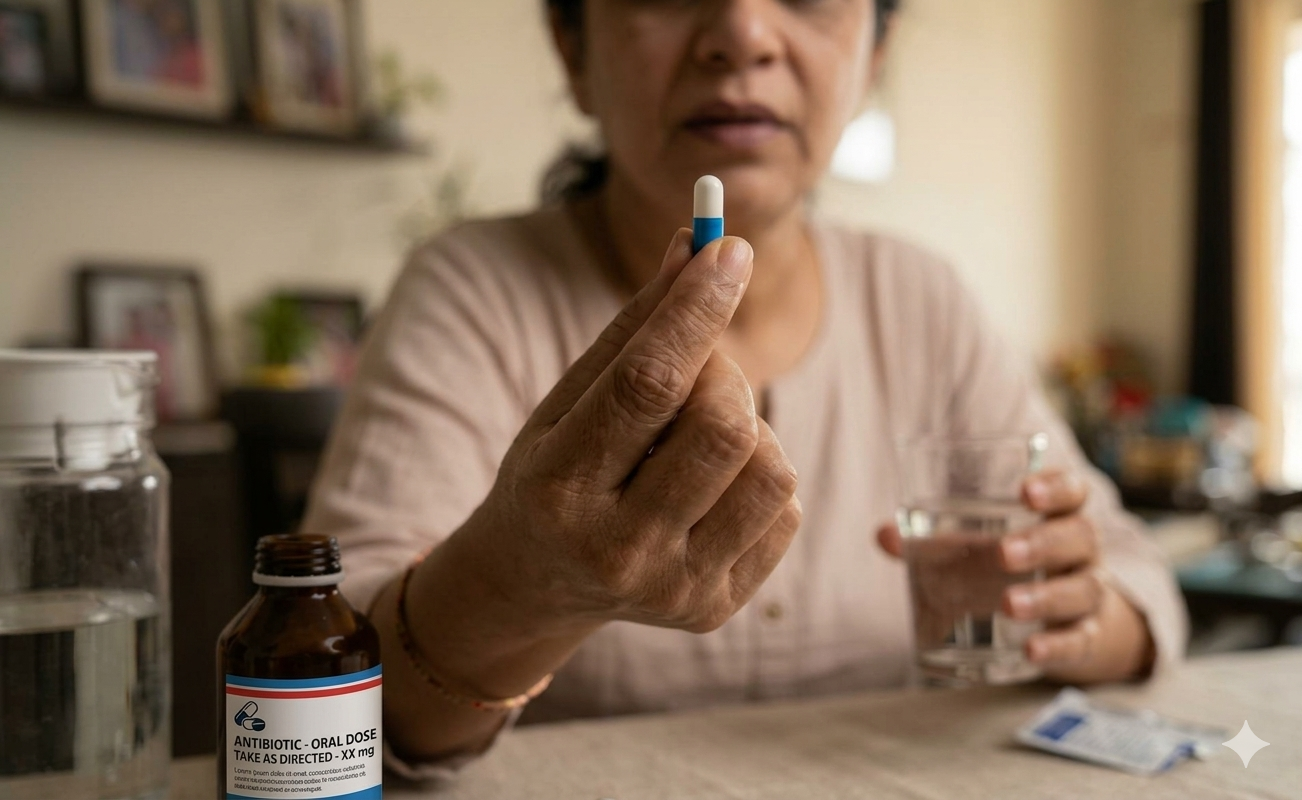
Antibiotic resistance is a critical global health issue as it makes standard medical treatments ineffective, turning once-treatable infections into fatal illnesses. In simple words, antibiotic resistance means bacteria have learned to fight off the medicines designed to kill them. The drugs stop working, and the bacteria keep growing. According to the World Health Organisation (WHO), bacterial antimicrobial resistance was already linked to over 4.7 million deaths globally. WHO has mentioned that the misuse and overuse of antimicrobials are driving the development and spread of drug-resistant pathogens.
A study published in The Lancet Public Health has revealed that India may be overusing antibiotics, particularly 'Watch' antibiotics. This growing use of powerful antibiotics fuels the threat of antimicrobial resistance. The study highlights antibiotic use across 186 countries and mentions that nearly all countries are using antibiotics, especially those meant for specific conditions, in excess.
Researchers grouped 186 countries, territories, and areas into 4 peer clusters. They set benchmark standard countries within clusters to model expected optimal consumption levels -broken down into WHO's AWaRe categories.
The WHO AWaRe classification is a global medical framework to optimise antibiotic use and combat antimicrobial resistance (AMR). Introduced in 2017, it categorises antibiotics into three distinct stewardship groups based on their impact and risk of developing resistance: Access, Watch, and Reserve.
- Access: First- and second-line antibiotics with a narrow spectrum of activity. They treat a wide range of common infections and have a lower resistance potential.
- Watch: Broad-spectrum antibiotics that carry a significantly higher risk of bacterial resistance. Doctors should limit their use strictly to specific clinical indications and prioritise them for medical monitoring.
- Reserve: Last-resort antibiotics saved exclusively for severe, life-threatening infections caused by multidrug-resistant pathogens. Their use must be highly tailored and protected to ensure they remain effective.
The study found that overuse of Watch category antibiotics was nearly universal (99% of studied countries), driving acceleration of drug resistance worldwide.
Why is antibiotic resistance a major concern
Increased severity of infections
Common infections, such as pneumonia and urinary tract infections, can become life-threatening when the antibiotics that traditionally treat them fail. This makes even minor injuries or illnesses much riskier, potentially leading to severe health complications or death.
Impact on medical procedures
Many advanced medical treatments, including surgeries and cancer therapies, rely on antibiotics to prevent infections. Without effective antibiotics, the safety of these procedures is compromised, increasing the risk of complications during and after surgery.
Limited treatment options
When first-line antibiotics become ineffective, healthcare providers often have to use "last-resort" antibiotics that are more toxic, more expensive, and generally associated with severe side effects. This can result in longer hospital stays and a greater burden on both patients and healthcare systems.
These factors underscore the urgency of addressing antibiotic resistance to protect public health and ensure the effectiveness of medical treatments.
Disclaimer: This content including advice provides generic information only. It is in no way a substitute for a qualified medical opinion. Always consult a specialist or your own doctor for more information. NDTV does not claim responsibility for this information.