

)
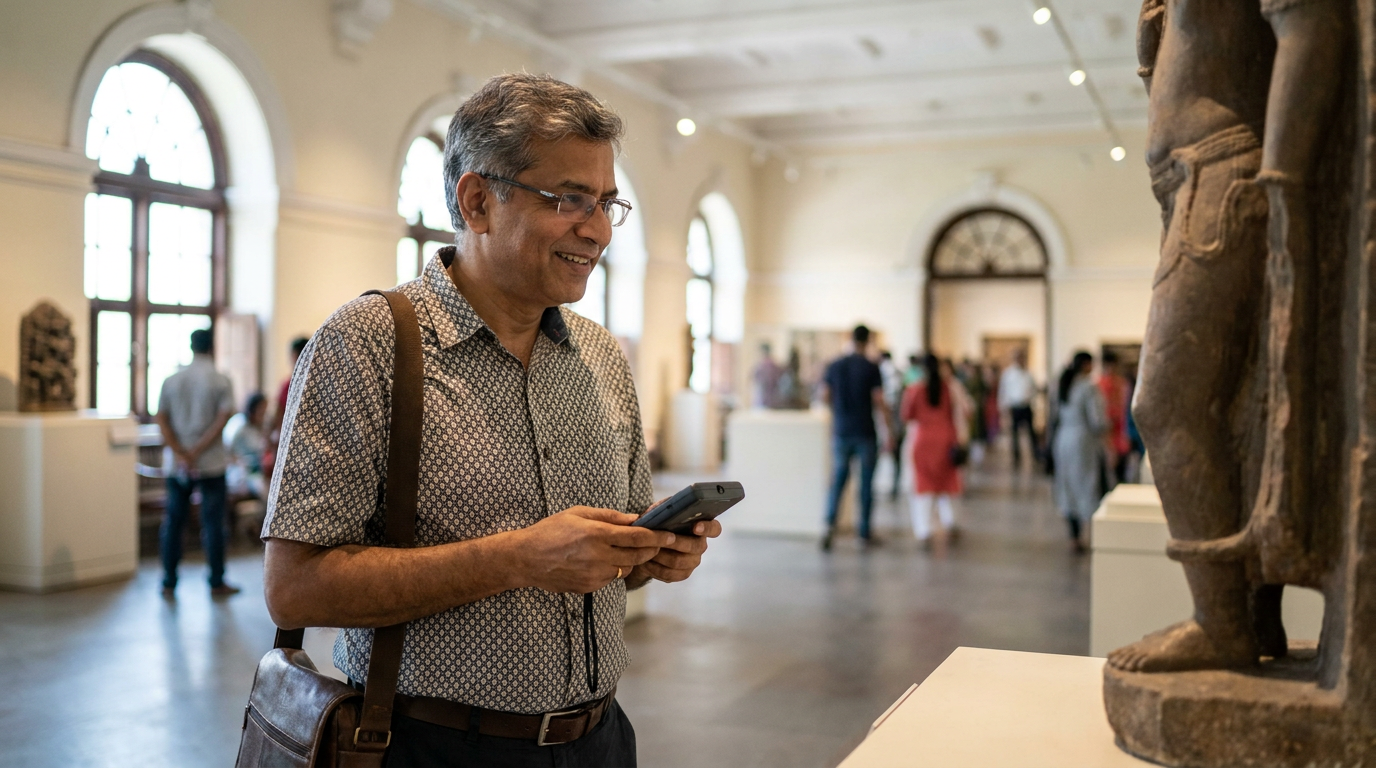
Growing older is a natural part of life, but how quickly your body ages may depend on more than just our genes. Regular exercise, a balanced diet, good sleep, and avoiding smoking have long been considered the key to healthy ageing. Now, researchers suggest that spending time enjoying cultural activities may also play a role. A new study has found that going to the theatre, watching movies, visiting museums, or attending concerts could help slow biological ageing and support better overall health.
The findings highlight that healthy ageing is not only about physical fitness but also about staying mentally active and socially connected. Researchers believe that cultural experiences stimulate the brain, encourage social interaction, reduce stress, and inspire healthier lifestyles. While these activities cannot stop ageing, they may help people maintain better physical and mental health as they grow older.
What Did The Study Find?
The study, published in the Journal of Epidemiology & Community Health, analysed data from 1,899 adults aged 50 years and older who participated in the English Longitudinal Study of Ageing. Researchers examined how often participants engaged in cultural activities such as visiting museums and art galleries, going to the cinema, attending concerts, or watching theatre and opera performances. They then compared these habits with markers of biological or physiological ageing.
The results showed that people who took part in cultural activities more frequently tended to have a younger biological age than those who rarely participated. In fact, the most culturally engaged participants had an average physiological age of 66.9 years compared to 69.9 years among those with the lowest cultural engagement.
What Is Biological Ageing?
Chronological age is simply the number of years you have lived. Biological ageing, however, reflects how well your body is functioning. Two people who are both 65 years old may have very different biological ages depending on their overall health and lifestyle.
To estimate biological ageing, researchers looked at several health indicators, including body mass index (BMI), blood pressure, cholesterol levels, grip strength, walking speed, and lung function. These measurements provide a better picture of how healthy a person's body is rather than just how old they are.
Why Cultural Activities May Help?
Researchers believe there are several reasons why cultural engagement may support healthier ageing.
First, these activities keep the brain active. Watching a play, exploring an art gallery, or following the storyline of a film requires attention, memory, and thinking skills. Regular mental stimulation may help maintain cognitive function as people grow older.
Second, many cultural activities involve spending time with family or friends. Strong social relationships have been linked to lower stress levels, better emotional well-being, and improved long-term health.
Also, people who regularly participate in cultural events may also be more likely to lead healthier lifestyles overall. They may stay physically active by travelling to venues, remain socially engaged, and maintain routines that support good health. Researchers suggest these combined effects could contribute to slower biological ageing.
Is This Proof That Museums And Theatres Slow Ageing?
Not exactly. The study found an association, meaning that people who regularly attended cultural events tended to have younger biological ages. However, it does not prove that these activities directly caused slower ageing.
Other factors may also have influenced the results. For example, people who are healthier may naturally find it easier to go out, attend events, and remain socially active. Although the researchers adjusted for factors such as income, employment, and chronic health conditions, they say more research is needed to confirm a direct cause-and-effect relationship.
Simple Ways To Add More Culture Aspects To Your Life
You do not need to attend expensive events every week to enjoy the potential benefits of cultural engagement. Small changes can make a difference, such as:
- Visit a local museum or art gallery every few months
- Watch a movie at the cinema instead of only at home
- Attend a local theatre performance, music concert, or cultural festival
- Explore exhibitions, heritage sites, or community art events with family or friends
- Join book clubs, cultural groups, or creative workshops to stay mentally and socially active
These activities can provide enjoyment while also encouraging learning, creativity, and meaningful social connections.
Disclaimer: This content including advice provides generic information only. It is in no way a substitute for a qualified medical opinion. Always consult a specialist or your own doctor for more information. NDTV does not claim responsibility for this information.