

)
World No Tobacco Day serves as an important reminder of the serious health risks associated with tobacco use. Despite widespread awareness campaigns and health warnings, millions of people continue to consume tobacco in different forms, including cigarettes, bidis, cigars, chewing tobacco, and vaping products. Tobacco remains one of the leading causes of preventable diseases and deaths across the world. The most concerning problem is that many tobacco-related diseases develop gradually, usually without causing severe symptoms in the early stages. This eventually results in people overlooking the warning signs until the condition becomes difficult to treat.
Speaking to NDTV, Dr. Kunal Sharma, Vice President and Head-Integrated Onco-Pathology at Agilus Diagnostics, said that the initial symptoms of tobacco-related illnesses are often mild and easy to dismiss. Many people assume that occasional discomfort, tiredness, or respiratory issues are temporary problems linked to age, weather changes, or daily stress.
However, these symptoms may actually indicate early damage caused by long-term tobacco exposure. Spotting these warning signs and seeking medical help at the right time can make a significant difference in preventing serious complications and improving overall health outcomes. Read on as Dr. Sharma shares some of the early signs of tobacco-related diseases that people tend to ignore.
Signs Of Tobacco-Related Diseases
1. Persistent Cough
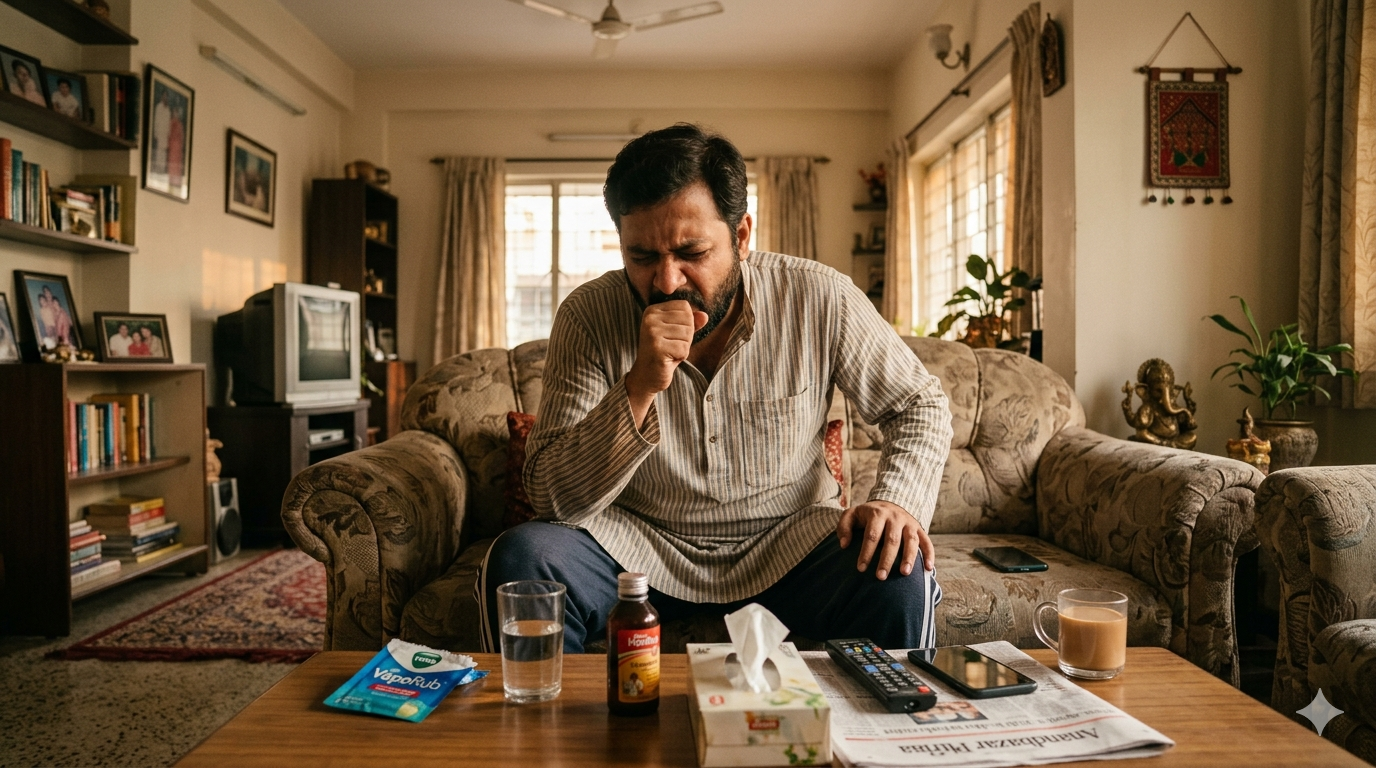
One of the most common early signs among smokers is a persistent cough. Many tobacco users refer to it as a "smoker's cough" and consider it normal. However, a cough that continues for several weeks should not be ignored. It may indicate irritation and damage to the lungs and airways caused by tobacco smoke. A chronic cough can be an early sign of conditions such as chronic bronchitis, chronic obstructive pulmonary disease (COPD), or even lung cancer. If the cough is accompanied by mucous production, chest discomfort, or coughing up blood, you should seek medical attention immediately. Early evaluation can help identify underlying problems before they become severe.
2. Breathing Difficulties
Shortness of breath during routine activities is another warning sign that many users tend to overlook. Climbing stairs, walking short distances, or performing everyday tasks should not leave a person unusually breathless. Tobacco smoke damages lung tissue over time, reducing the lungs' ability to function efficiently. Symptoms such as wheezing, chest tightness, and reduced stamina may indicate that lung function has already been affected. These signs often develop gradually, making them easy to ignore. However, timely medical assessment can help detect respiratory diseases at an earlier stage when treatment is more effective.
3. Changes In The Mouth And Throat
Tobacco users, especially those who consume smokeless tobacco products, should pay close attention to changes in their oral health. Frequent throat irritation, hoarseness of voice, difficulty swallowing, and recurring mouth ulcers may seem minor but can sometimes signal more serious conditions. White or red patches inside the mouth, gum swelling, and bleeding are particularly important warning signs. These symptoms may indicate pre-cancerous changes or early-stage oral cancer. Since many of these conditions are painless in the beginning, people often delay seeking help. Regular oral screenings can play a vital role in detecting abnormalities before they progress.
4. Fatigue And Poor Endurance
A lot of tobacco users also experience unexplained fatigue and reduced physical endurance but fail to connect these symptoms with tobacco use. Tobacco affects blood circulation and reduces the amount of oxygen reaching different tissues and organs in the body. As a result, users may feel tired more often or notice that physical activities become increasingly difficult. Symptoms such as dizziness, chest discomfort, heart palpitations, numbness in the limbs, or elevated blood pressure should not be dismissed. These signs may point to developing cardiovascular problems, including heart disease and an increased risk of stroke.
5. Frequent Infections And Slow Healing
Tobacco weakens the immune system, making the body less capable of fighting infections. People who use tobacco may notice frequent respiratory infections, recurring colds, or prolonged recovery periods after illness. Slow wound healing is another sign that often goes unnoticed. Reduced blood flow caused by tobacco can delay the body's natural healing processes. While these symptoms may appear unrelated to tobacco use, they indicate long-term damage that needs medical evaluation.
6. Dental Problems
Bad breath, stained teeth, gum disease, and tooth sensitivity are commonly associated with tobacco use. Many people view these issues as cosmetic problems rather than health concerns. However, they are usually a reflection of ongoing damage to oral tissues and supporting structures. Untreated gum disease can lead to tooth loss and increase the risk of serious oral health complications. Regular dental check-ups can help identify tobacco-related damage early and encourage timely intervention.
Early Detection Can Save Lives
Dr. Sharma says that many tobacco-related diseases can be managed more effectively when detected early. "Regular health check-ups, oral screenings, lung function tests, and timely medical consultation can help detect diseases at an early and more treatable stage. Recognising these warning signs and seeking medical attention promptly can significantly improve health outcomes and encourage timely tobacco cessation before irreversible damage occurs," he adds.
Disclaimer: This content including advice provides generic information only. It is in no way a substitute for a qualified medical opinion. Always consult a specialist or your own doctor for more information. NDTV does not claim responsibility for this information.