

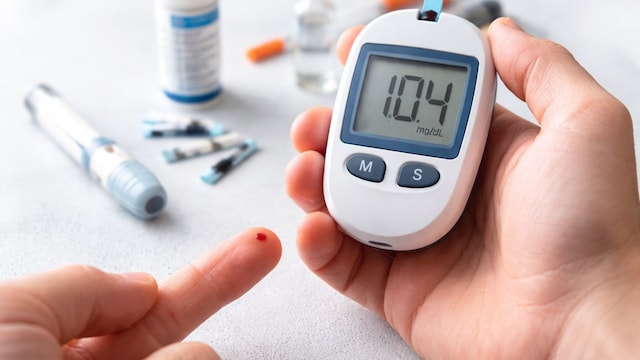
In the wake of several days of consumption of mithai, sugar drinks, and feasts, a lot of people resume their regular eating habits assuming that their blood glucose will instantly normalize. When it does not go down and stays higher or more irregular, they think about the consequences of sugar excess.
It can be, especially for people with prediabetes or diabetes. But it cannot be said about the people who had a few days off from a normal diet. Consistently abnormal readings have to be discussed and treated, but not considered to be the consequences of feasts.
What Happens After A Sugary Meal
Carbohydrates break down to sugars in the process of digestion that get into the bloodstream. Insulin produced by the pancreas is responsible for glucose utilization and its storage. For those whose glucose levels are normally regulated, this process will eventually bring glucose levels back to normal.
The blood glucose level changes during the day. Glucose level increase after a meal is expected, but not its absolute stability. The size of increase depends on the size of the meal and the person's insulin production and reaction to it.
Why The Impacts May Persist Beyond The Meals
Consuming far more calories than your body needs for several days may impact your metabolism. According to small human studies, short-term sugar overconsumption has been shown to increase liver fat content and negatively affect the ability of the liver to respond to insulin. Short-term overconsumption of food has not been shown to cause any changes in insulin sensitivity and glucose response in healthy individuals.
It is necessary to be careful when interpreting this information. The experiments used very high amounts of sugar consumption or excessive calories. This does not mean that the festive weekend will lead to weeks of unstable glucose level. It also does not mean that there is some exact time table of how fast you can recover.
What this means is that short-term excesses do matter. However, the reactions vary, so the statement that all people require 3 days, a week or even a fortnight to reset their blood sugar is not based on research data.
Also read: World Diabetes Day 2026: Prediabetes Is Your Window To Act, Simple Ways To Reverse The Condition
Who Is More Likely To Notice Persistent Changes
Prediabetic people struggle with glucose regulation, despite not having any symptoms of diabetes. In cases of insulin resistance, body tissues become less responsive to insulin, which leads to the increased activity of the pancreas in order to compensate for this issue. Large portions of food may emphasize the existing situation.
For a patient with diabetes, additional carbohydrates may be too much for the patient's current therapy. The omission of medication and improper insulin use can aggravate the situation. The person can return to his regular diet, however, multiple readings above his targets need to be discussed.
The case of the person who finds out about the high level of glucose during a celebration, can actually indicate the undiagnosed diabetes before. This timing of discovery does not mean that several days of sweets cause diabetes.
Consider The Whole Routine
Festive dieting is often accompanied by reduced physical activity and sleep disorder. Additional stress or illness may also increase the level of glucose. These factors can stay present even after discontinuation of sweets.
Also consider the concept of "normal diet". Removing dessert and still maintaining substantial amounts of rice, bread, potato, or other carbohydrate-containing foods might keep carbohydrate content high. Jaggery, honey, and brown sugar are also sources of carbohydrates. Substituting white sugar with any of these does not change the impact on glucose levels.
Also read: Indians Are Living Longer, But Not Healthier: Why Diabetes Prevention Must Start Early
How To Go Back To A Normal Pattern
Go back to a proper, healthy eating habit with adequate amounts of carbohydrate, vegetables, and some form of protein like dal, beans, eggs, fish, or unsweetened yogurt. Eat fruit instead of drinking juices, and choose water over sweetened beverages. Do not resort to excessive fasting or a detox plan to correct the situation.
Maintain an active life, have a walk post-meals if it is safe and feasible, and restore your sleeping schedule. Consume enough water within the limits as per the instructions of your health care provider. Drinking more water will not solve the problem or replace your diabetes medications.
Insulin users and people taking medications that can induce hypoglycemia need to take extra care while suddenly fasting. Take medications as prescribed and follow an acceptable method for dose reduction. Taking extra tablets or repeatedly correcting with insulin without guidance can cause hypoglycaemia.
When Testing And Clinical Evaluation Are Important
The history of measurements in relation to meals, medication, physical activity, and symptoms can be helpful in people with diabetes in recognizing a trend. Adhere to the monitoring protocol established in consultation with your treating health professionals. There is no need for all healthy individuals to undergo continuous glucose monitoring because of occasional indulgence.
Elevated readings in someone without diabetes require laboratory testing. A fasting plasma glucose level of 126 mg/dL or more indicates diabetes, while a confirmed diagnosis requires laboratory confirmation unless there is obvious hyperglycaemia. It is inappropriate to rely only on self-testing to diagnose diabetes.
HbA1c measures the average glucose level during approximately three months, being most influenced by the past several weeks. The elevated level should not be considered an artifact because of some festive eating. In addition, it does not show all the brief fluctuations.
Consult a doctor promptly in case of persistent elevated glucose levels, increased thirst, frequent urination, unexpected weight loss. Vomiting, stomach pain, deep breathing, sleepiness, and positive ketones are serious signs that require immediate medical evaluation.
Excessive sugar intake for a few days is an indication that sustainable practices need to be reinstated. Abnormal glucose even after resuming normal practices indicates that the root cause needs to be explored.
Read more: Diabetes, Fatty Liver And Heart Disease: The Metabolic Triangle Indians Cannot Ignore Any Longer
(By Dr David Chandy, Director of Endocrinology, Sir H. N. Reliance Foundation Hospital and Research Centre, Mumbai)
Disclaimer: The opinions expressed within this article are the personal opinions of the author. NDTV is not responsible for the accuracy, completeness, suitability, or validity of any information on this article. All information is provided on an as-is basis. The information, facts or opinions appearing in the article do not reflect the views of NDTV and NDTV does not assume any responsibility or liability for the same.