

)
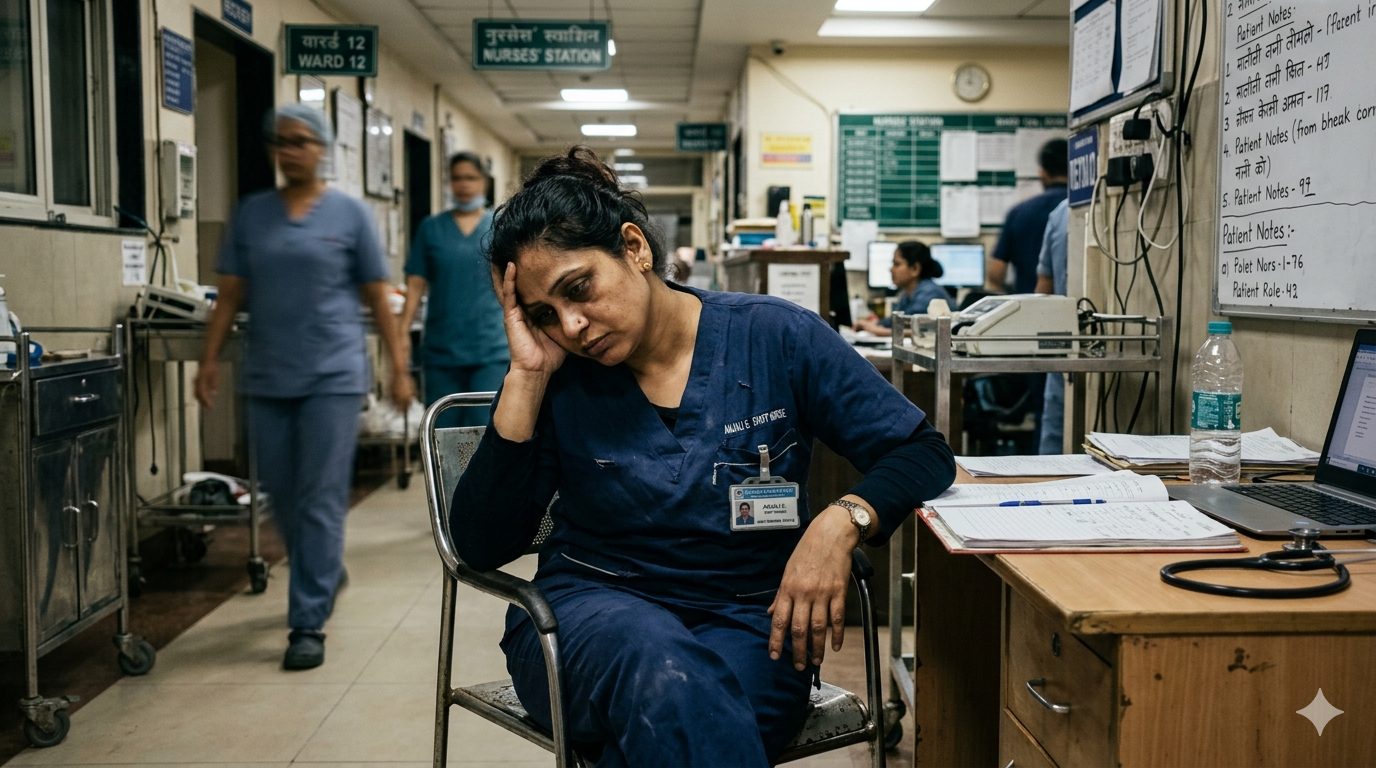
International Nurses Day is observed every year on May 12. The day marks the birth anniversary of Florence Nightingale, and also aims to honor the contributions of nurses across the world. Nursing is a job that demands skill, compassion, and constant focus. However, the job often also demands something unsustainable: relentless hours. Many nurses work 12-hour shifts that easily stretch longer because of staff shortages, emergency admissions, delayed handovers, and endless documentation. As a result, breaks disappear, meals get skipped, and rest becomes an afterthought. Over time, this pace stops feeling temporary and starts becoming the norm.
Girja Sharma, Chief of Nursing at Fortis Hospital, Shalimar Bagh, spoke to NDTV about long hours, stress, burnout, and other major challenges for nurses.
Hidden Toll of Nursing Stress
Long hours, stress, and mental health challenges among nurses is not a headline alone; it is a daily reality in hospitals and clinics. Exhaustion does more than make nurses feel tired. It slows reaction time, reduces concentration, and erodes emotional resilience. Consequently, nurses may struggle to recover between shifts, and healthcare systems lose experienced professionals who can no longer sustain the pressure.
Emotional Labour Behind Patient Care
Nurses do far more than administer medication or monitor vital signs. They witness grief, fear, pain, trauma, and uncertainty every single day. Moreover, they often absorb the emotional distress of patients and families while trying to remain calm and composed. That invisible labor carries a heavy cost. Stress builds quietly, and eventually it can surface as anxiety, insomnia, irritability, compassion fatigue, or depression.
In many cases, nurses continue working while emotionally depleted because they feel responsible for everyone around them. Unfortunately, the culture of healthcare sometimes praises endurance more than honesty. Therefore, many nurses hesitate to say, "I am overwhelmed," even when they clearly need support. Some fear judgment. Others worry that seeking help could make them appear less capable. This silence deepens the crisis and leaves mental health needs unaddressed.
Effects Of Burnout In Healthcare
Burnout does not stay contained within the individual. It affects patient care, team morale, and the future of the profession. When nurses feel physically drained and mentally overloaded, communication can suffer and errors can increase. In addition, chronic stress pushes many talented nurses to reduce hours, switch roles, or leave the profession entirely. That exit creates even heavier workloads for those who remain, which then fuels the same cycle again.
Meanwhile, new nurses enter high-pressure environments without always receiving enough mentorship or emotional support. They may begin their careers with passion, yet quickly encounter a system that normalises overload. If healthcare organizations want safer outcomes, they must treat nurse well-being as a patient safety priority. Burnout is not a personal weakness; it is often a systems issue that demands a systems response.
Building A Sustainable Future For The Nursing Profession
Hospitals and healthcare leaders can take practical steps right now. First, they can improve staffing ratios and create more predictable schedules. Next, they can protect uninterrupted breaks, reduce unnecessary paperwork, and offer fast, confidential access to mental health care. Peer-support programs, post-trauma debriefs, and trained supervisors also make a measurable difference. These actions do not simply boost morale-they help nurses stay healthy enough to keep caring for others.
Finally, society must stop treating nurses as endlessly resilient heroes who can survive anything. Nurses are highly trained professionals, but they are also human beings with limits. When organisations invest in their mental health, recovery time, and workplace safety, everyone benefits. Patients receive better care, teams function more effectively, and the profession becomes more sustainable for the future.
Disclaimer: This content including advice provides generic information only. It is in no way a substitute for a qualified medical opinion. Always consult a specialist or your own doctor for more information. NDTV does not claim responsibility for this information.