

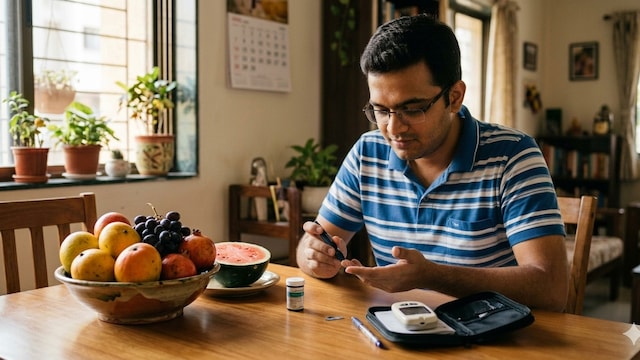
It is essential for everyone, including diabetics and non-diabetics, to maintain healthy blood sugar levels. Even when your pancreas functions normally, frequent blood sugar spikes and crashes from processed foods, stress, or inactivity put strain on your body. Keeping glucose levels steady supports both immediate well-being and long-term disease prevention.
Importance of maintaining healthy blood sugar levels for non diabetics
- Maintaining healthy blood sugar levels prevents the overall risk of insulin resistance and type-2 diabetes.
- High glucose triggers oxidative stress and chronic inflammation. Keeping blood sugar stable reduces your long-term risk of cardiovascular disease, stroke, and kidney damage.
- Large spikes in blood sugar are often followed by rapid drops. These sugar crashes frequently cause mid-day fatigue, irritability, headaches, and brain fog.
- Sharp post-meal glucose dips stimulate hunger hormones and trigger cravings for more simple carbohydrates. Steady blood sugar helps you feel full longer and prevents overeating.
- Chronic blood sugar imbalances can disrupt hormonal pathways. Maintaining stable glucose supports better sleep quality and lowers the risk of conditions like fatty liver disease and polycystic ovary syndrome (PCOS).
- There's a link between blood sugar regulation and mood. Keeping levels stable can help reduce feelings of anxiety and depression, contributing to better emotional well-being.
READ | Indians Are Living Longer, But Not Healthier: Why Diabetes Prevention Must Start Early
How often should you check your blood sugar levels if you don't have diabetes?
For non-diabetics, regular monitoring of blood sugar isn't typically necessary unless advised by a doctor. A healthy body naturally keeps blood sugar in a normal range about 96% of the time. However, for those looking to maintain good health, periodic checks might be beneficial, especially if they're experiencing symptoms of blood sugar imbalance or have risk factors such as a family history of diabetes, obesity, or a sedentary lifestyle.
Even without diabetes, healthy adults generally only need a routine lab screening once every 3 years starting at age 35.
Common risk factors that warrant earlier or more regular screening include being overweight, having a family history of diabetes, high blood pressure, PCOS, or a sedentary lifestyle.
READ | When A Child's Thirst Is More Than Thirst: The Diabetes Warning Signs Parents Can Miss
The rise of Continuous Glucose Monitoring Systems (CGMS)
Over-the-counter CGMs have become popular wellness tools, but not everyone, especially those without diabetes, needs them. Normal post-meal glucose rises can easily be misinterpreted as dangerous spikes, leading to unnecessary anxiety around food.
In general, regular health check-ups that include blood work can provide valuable insights into blood sugar levels and overall health, allowing individuals to make informed decisions. Adopting a balanced diet, regular physical activity, and maintaining a healthy weight are practical steps everyone can take to promote stable blood sugar levels and overall wellness.
Disclaimer: This content including advice provides generic information only. It is in no way a substitute for a qualified medical opinion. Always consult a specialist or your own doctor for more information. NDTV does not claim responsibility for this information.