

)
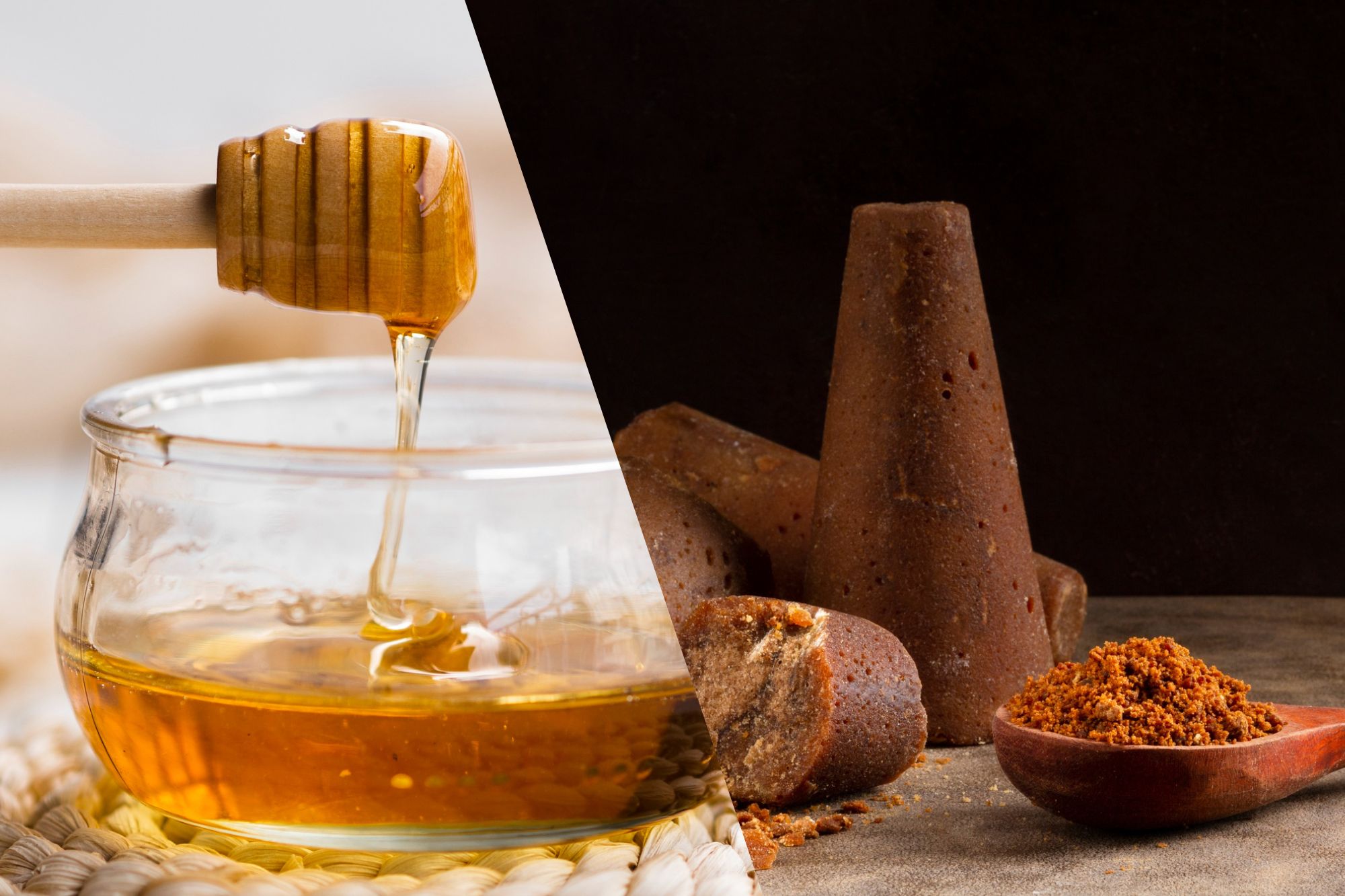
According to a large multi-city study published in the Lancet journal, over one-third of Indian adults have metabolic-associated fatty liver disease. The term "metabolic fatty liver disease" refers to a condition in which too much fat builds up in the cells of the liver due to how the body handles blood sugar and fats. The main concerning factor of this liver health crisis is having a non-alcoholic fatty liver which can lead to obesity, type 2 diabetes, high blood pressure, and even high cholesterol. India's growing numbers of fatty liver disease has shifted focus to the daily dietary choices that may be impacting your liver. One such choice is the type of natural sweetener that may be chosen to consume daily. While natural sweeteners like honey and jaggery are seen as healthier alternatives to refined white sugar, do they really impact liver function in the exact same way, or do they differ depending on their ability to be metabolised by the body? To answer this, the need to look at what nutritional studies say, along with the guidelines established by the National Institute of Nutrition (NIN).
Nutritional Profile Of Honey Vs Jaggery
When it comes to liver health, honey and jaggery are derived from natural sources, but there is something that makes them different. Honey is sourced from the beehive, while jaggery is the unprocessed version of block sugar directly from sugarcane. One is a naturally sweet substance that has various forms available on the market for consumption; organically sourced, unprocessed honey and its products can offer the maximum liver health-protecting properties, as per studies. Here is what they say:
- According to Honey in Food Science and Physiology, pure honey has liver health-protecting properties when it is consumed in moderation.
- While consuming honey in excess can have the opposite impact, it can damage your liver, as the fructose content in honey can increase fat accumulation in your liver.
- When compared to jaggery, the National Journal of Physiology, Pharmacy and Pharmacology mentions that jaggery could be a possible way to reduce the chances of developing an iron deficiency.
The main distinguishing factor is the quantity that is being consumed, as the body has a limited absorption value, and the excess causes issues.
Moving from what the studies say about the natural sweeteners, another aspect to keep in mind while choosing honey or jaggery is to consider their individual nutritional profiles.
Also Read: Ginger And Honey For Lung Health: Benefits Of The Cough And Cold Remedy Explained
Nutritional Profile Of Honey And Jaggery
The nutrients present in both natural sweeteners need to be looked at closely to assess which sweetener could worsen your liver health. Here are the individual nutrients for each of the sweeteners:
Honey
- Composition: Pure honey has mainly fructose and glucose, which are known as simple sugars.
- Calories: 304 kcal per 100 g of honey, and the form in which they are consuming it can change its caloric value.
- Micronutrients: There are trace amounts of vitamins like B-complex and vitamin C, and minerals like calcium, iron, magnesium, and potassium.
- Bioactive Compounds: It contains antioxidants like flavonoids and phenolic acids.
Note: The NIN emphasises that honey is a natural sweetener with some health benefits but cautions against excessive intake due to its sugar load, which can contribute to obesity and metabolic disorders. Thus, it can worsen liver health, especially if the honey is sourced from an adulterated source.
Jaggery
When sugar is extracted from sugarcane and made from sugarcane juice, mainly sucrose, with some glucose and fructose, it is present.
- Calories: 383 kcal per 100 g, and its quality can affect its exact caloric value.
- Micronutrients: It has a higher mineral content than refined sugar, as it possesses iron, magnesium, potassium, and small amounts of zinc.
- Bioactive Compounds: It contains antioxidants and phytochemicals.
Note: NIN highlights jaggery as a better alternative to refined white sugar because of its mineral content, but still advises moderation since it is calorie-dense and can contribute to metabolic and liver health issues if consumed excessively.
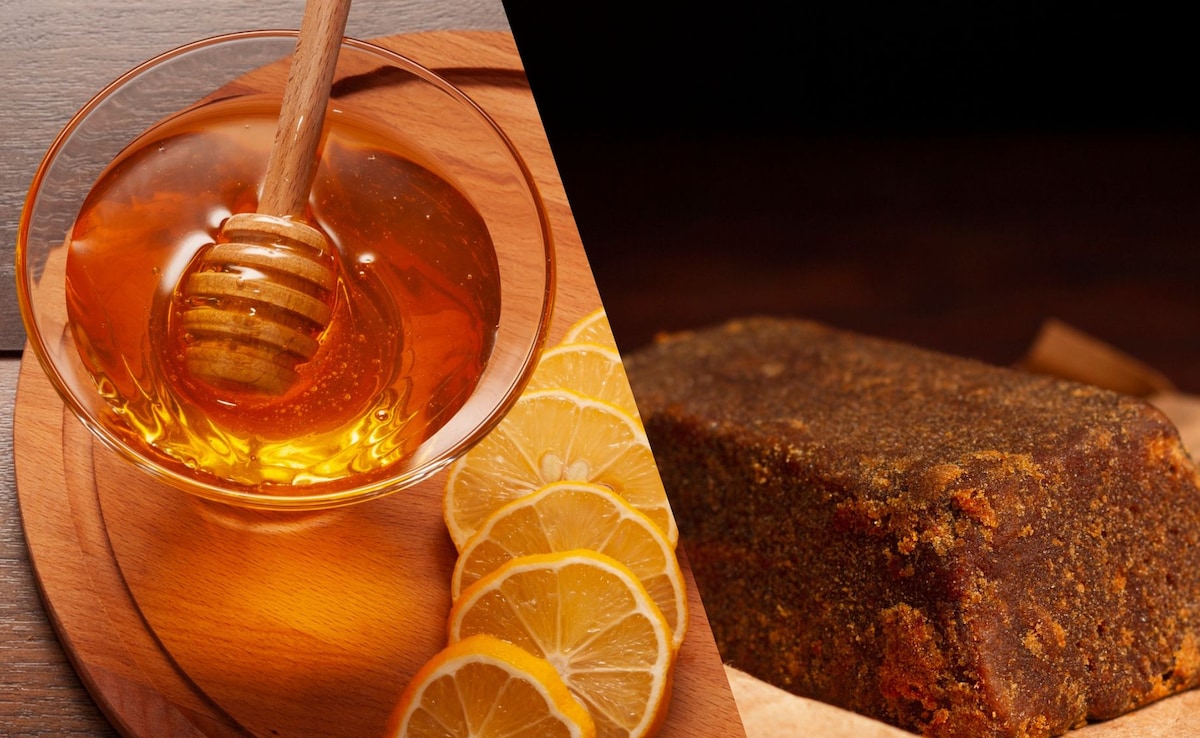
Honey and jaggery
Photo Credit: Freepik
Impact On Liver Health
As per studies that looked at both natural sweeteners closely, it was found that the minerals in jaggery could reduce oxidative stress. While honey's antioxidant compounds, like flavonoids and phenolic acids, can protect against oxidative liver damage. Both sweeteners can prove beneficial for the liver when consumed in moderation.
The Magna Scientia Advanced Research and Reviews (2025) and the International Journal of Applied Home Science confirm the respective effects of both jaggery and honey.
Which Sweetener Should You Choose?
To conclusively say which natural sweetener is worse for your liver, your body's physiology can impact the effects of each. Honey may suit your system more than jaggery, or even eating both types of sweeteners in moderation could benefit you. But if you have existing problems with your blood sugar, then you need to consult a doctor who can guide you on the exact sweetener that you should switch to. The studies have confirmed that both can harm liver health if consumed excessively, so eating a moderate amount is necessary to be safe. The exact portion size of both sweeteners depends on the season and lifestyle factors that could influence it.
Also Read: Fatty Liver Crisis In India: Why Are Non-Alcoholics At Risk?
Safer Alternatives To Jaggery And Honey
If your doctor decided that neither natural sweeteners are not suitable for your body type, then you may need to switch to these safer alternatives:
- There are plant-based sweeteners like stevia and dates that can provide natural sweetness.
- Keeping the desired sweetener handy at all times can avoid accidentally eating the commonly available refined white sugars.
The key aspect to understand is that just because a sweetener is "natural" doesn't always mean it is "safe". The right approach is to practise mindful consumption and seek medical guidance when needed, especially if you have pre-existing liver issues.
Disclaimer: This content, including advice, provides generic information only. It is in no way a substitute for a qualified medical opinion. Always consult a specialist or your own doctor for more information. NDTV does not claim responsibility for this information.