

)
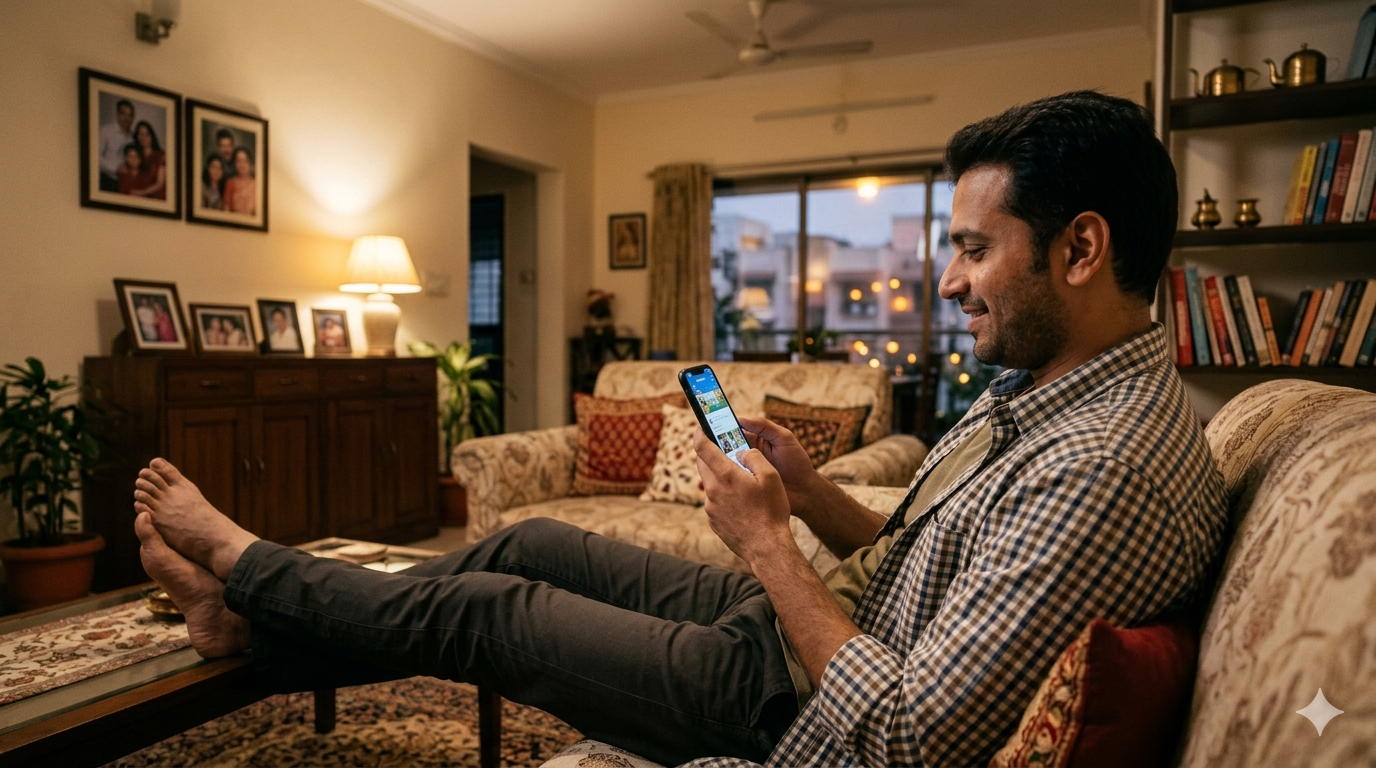
A recent study being presented at the American College of Cardiology's 2026 Annual Scientific Session (ACC.26) has found that excessive screen time is linked to worse cardiovascular risk factors in young adults, even when they are physically active. The research examined adults in their mid-30s living in urban Pakistan and showed that spending six or more hours per day on screens outside of work or school was linked to higher blood pressure, poor favourable cholesterol profiles, and increased body weight.
Study Overview
Researchers analysed data from 382 adults with an average age of about 35 years in Hyderabad and Karachi, Pakistan, focusing on how their recreational screen time related to heart-health markers and lifestyle habits. Participants were categorised by whether they spent more or less than six hours per day on screens outside of school or work, and by their physical activity level (above or below 150 minutes of moderate exercise per week).
Study Findings
After adjusting for age, sex, and existing health conditions, the team found that those with six or more hours of daily screen time had, on average, about 18 mmHg higher systolic blood pressure, over 28 mg/dL higher "bad" LDL cholesterol, and roughly 3.9 mg/dL lower "good" HDL cholesterol compared with people who spent fewer hours on screens. These individuals also had higher BMI, larger waist circumference, and worse waist-to-height ratios, all of which are key indicators of abdominal obesity and cardiometabolic risk.
Screen Time As An Independent Risk Factor
One of the most important findings was that the link between screen time and cardiovascular risk markers remained significant even after researchers accounted for physical activity levels. In other words, regular exercise alone did not fully cancel out the negative impact of prolonged screen exposure.
The study also found another effect. People who combined high screen time with low physical activity showed an even stronger detrimental impact on blood pressure and BMI than either factor alone. Zain Islam, MD, cardiologist at Liaquat University of Medical & Health Sciences and Taqi Medical Center in Hyderabad, Pakistan, and the lead author of the study, said, "Traditionally, lifestyle counseling focuses mainly on encouraging exercise, but our findings suggest that reducing excessive screen exposure could be an additional and independent target for intervention. This may lead to more nuanced counseling-not only promoting physical activity but also addressing digital behavior patterns, digital wellness and structured limits on prolonged screen use."
Unhealthy Habits Linked to Screen Use
Other than physical inactivity, higher screen time was also linked to more cigarette smoking and vaping. In the study group, over one-quarter of participants with six or more hours of daily screen exposure reported nicotine use, compared with about 12% among those with lower screen use. These behaviours together create a group of cardiometabolic risks that can significantly increase the chances of heart disease and stroke later in life.
Researchers also flagged that long hours on screens, playing video games, watching videos, or endlessly scrolling social media, may lead to poor sleep patterns, irregular eating, and more sedentary time, all of which are known to increase cardiovascular risk.
Islam said, "What makes this study different is that we looked at screen time as a specific, measurable digital behavior rather than just broadly labeling people as sedentary,. While sedentary lifestyle has been studied before, fewer studies have separated screen exposure from general physical inactivity or examined how these two factors interact with each other."
Steps To Improve Heart Health
While the study is observational and cannot prove that screen time alone causes heart disease, it clearly points to the need for more balanced digital routines. Here are some ways to improve heart health:
- Limiting recreational screen time to less than six hours per day as a general guideline, especially for young adults.
- Setting "screen-free" windows, such as the first hour after waking or the last hour before bed, to protect sleep and give more time for movement.
- Combining physical activity with conscious screen-time reduction. For example, walking while on calls, using short-break timers, or scheduling family walks instead of evening TV marathons.
Disclaimer: This content including advice provides generic information only. It is in no way a substitute for a qualified medical opinion. Always consult a specialist or your own doctor for more information. NDTV does not claim responsibility for this information.