

)
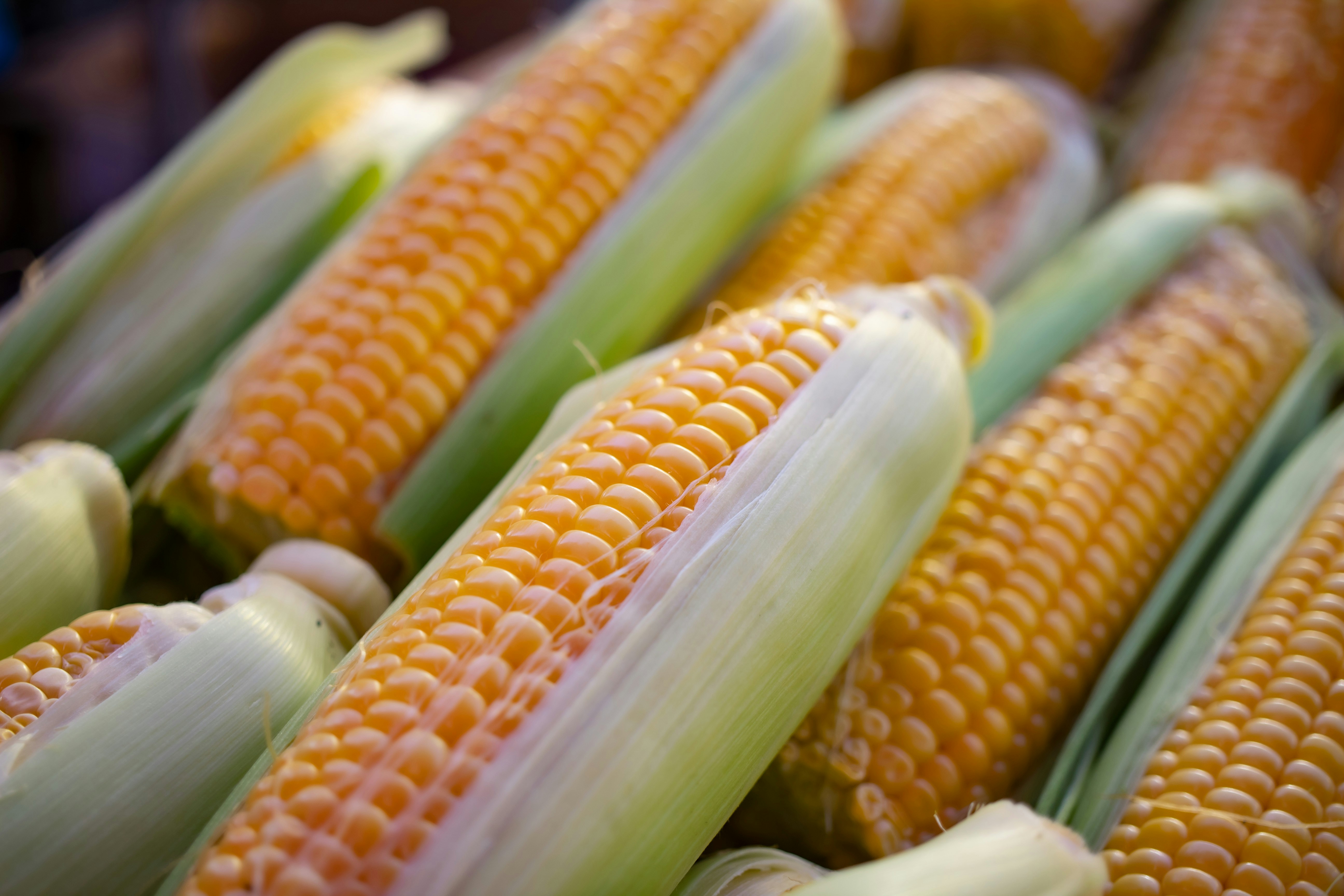
The Milpa Diet originates from ancient Mesoamerican agriculture. This eating pattern is focused on maize (corn), beans, and squash, which are grown together in the milpa field system. This traditional eating system, developed by Indigenous peoples like the Maya and Aztecs, emphasises whole, minimally processed foods. The diet has garnered attention for its potential to prevent modern-day health issues like obesity, diabetes, and heart disease while promoting sustainability.
Origins and Cultural Roots
The term 'milpa' comes from the Nahuatl word meaning 'in the field'. This refers to a polyculture farming method where maize provides a natural trellis for climbing beans, while squash's broad leaves shade the soil and suppress weeds. This ancient system, dating back over 7,000 years, sustained civilisations across Mexico, Central America, and parts of South America.
Beyond the core triad, the Milpa Diet incorporates chillies, tomatoes, wild greens (quelites), amaranth, avocados, and small amounts of animal proteins like fish, insects, or free-range poultry. Preparation methods, nixtamalization (soaking corn in limewater to boost niacin bioavailability), stone-grinding, and communal cooking, enhance nutrient absorption and flavour without industrial processing.
Nutritional Profile
The Milpa Diet delivers complementary nutrition. Corn gives carbohydrates and B vitamins, beans offer protein, fibre, and iron, squash provides healthy fats, vitamin A, and antioxidants. Together, they form a complete protein source rivaling animal products, with all essential amino acids in balanced ratios.
A typical daily intake might include tortillas or tamales from nixtamalized maize, bean stews with chillies, squash soups, and salads of quelites or amaranth greens. Fats come from avocado, seeds, and minimal lard, sweeteners are fruits or honey. This yields a low-glycemic, high-fibre profile, roughly 60-70% carbs from whole sources, 15-20% protein (mostly plant-based), and 15-20% fats emphasizing unsaturated types.
Bioactive compounds abound; anthocyanins in purple corn, polyphenols in beans, carotenoids in squash, creating a 'natural polypharmacy' that fights inflammation and oxidative stress. Micronutrients like magnesium, potassium, and zinc support metabolic health, while the diet's alkaline-forming foods balance pH.
Synergy Between Ingredients
The diet focuses on food synergies, not isolated nutrients. Corn and beans' amino acid complementarity prevents deficiencies common in single-crop diets. Fibre from all components feed gut microbiota, producing short-chain fatty acids (SCFAs) like butyrate, which strengthen the gut, reduce inflammation, and regulate blood sugar. Its low glycemic level curbs insulin spikes, helping in weight management and diabetes prevention.
Milpa diet is also rich in antioxidants, which protects against neurodegeneration and cardiovascular damage. Even the gut-brain axis benefits from this diet. SCFAs impact mood via vagus nerve signaling, potentially lowering risks of anxiety and depression.
Health Benefits Of The Milpa Diet
Research shows the benefits of the Milpa Diet. It lowers risks of type 2 diabetes, dyslipidemia, and obesity through anti-inflammatory pathways and improved lipid profiles.
For MASLD, the diet's fibre and bioactives reduce oxidative stress and fat accumulation in the liver. For kidney disease patients, 'Dieta de la Milpa' curbs proteinuria and hypertension better than usual plant-based plans. Cardiovascular benefits include lowering cholesterol via soluble fibre and better redox balance, reducing heart disease risk.
Sustainability and Environmental Benefits
Milpa agriculture regenerates soil, enhances biodiversity, and requires fewer inputs than industrial farming, making the diet eco-friendly. It isolates carbon, conserves water, and resists pests naturally. This resilience addresses food insecurity amid climate change.
Sample Milpa Meal Plan
- Breakfast: Nixtamalized corn tortillas with bean mash, avocado, chili salsa, and quelites.
- Lunch: Squash and bean stew with amaranth greens, tomato-chili sauce, fresh corn on the cob.
- Dinner: Maize tamales stuffed with beans and wild mushrooms, side of roasted squash seeds.
- Snacks: Fresh fruits, toasted amaranth, or insect-based protein bites.
This plan gives you nearly 2,000 calories, emphasizing variety and seasonality.
Disclaimer: This content including advice provides generic information only. It is in no way a substitute for a qualified medical opinion. Always consult a specialist or your own doctor for more information. NDTV does not claim responsibility for this information.