

)
If you reach for a "herbal tea" or a fragrant "flower tea" alongside your classic black or green cup of tea, you're not alone. But you might be sipping three very different beverages without realising that the term "tea" is being very loosely used for a number of hot beverage ingredients across India and the world. Thankfully, these confusing labels may change soon, at least in India. India's food regulator, the Food Safety and Standards Authority of India (FSSAI), recently clarified that only products derived from the Camellia sinensis plant can legally be labelled as tea in the country. Drinks made from herbs, rooibos, flowers or other plants must be described differently under food labelling laws to avoid consumer confusion.
This distinction is more than semantic. While all these infusions are brewed in hot water and enjoyed for taste and relaxation, their botanical origins, chemical compositions and health effects differ significantly. Traditional tea from Camellia sinensis, including black, green, oolong and white teas, is rich in polyphenols and catechins, antioxidants linked in research to cardiovascular, metabolic and neuroprotective benefits. Herbal and flower infusions, often caffeine-free, include a diverse range of plants like chamomile, rooibos and butterfly pea flower, each with unique phytonutrients associated with calming or digestive effects.
So, here's a breakdown of these three categories - Camellia sinensis tea, herbal infusions and flower beverages - their health benefits and how best to choose between them for your health priorities.

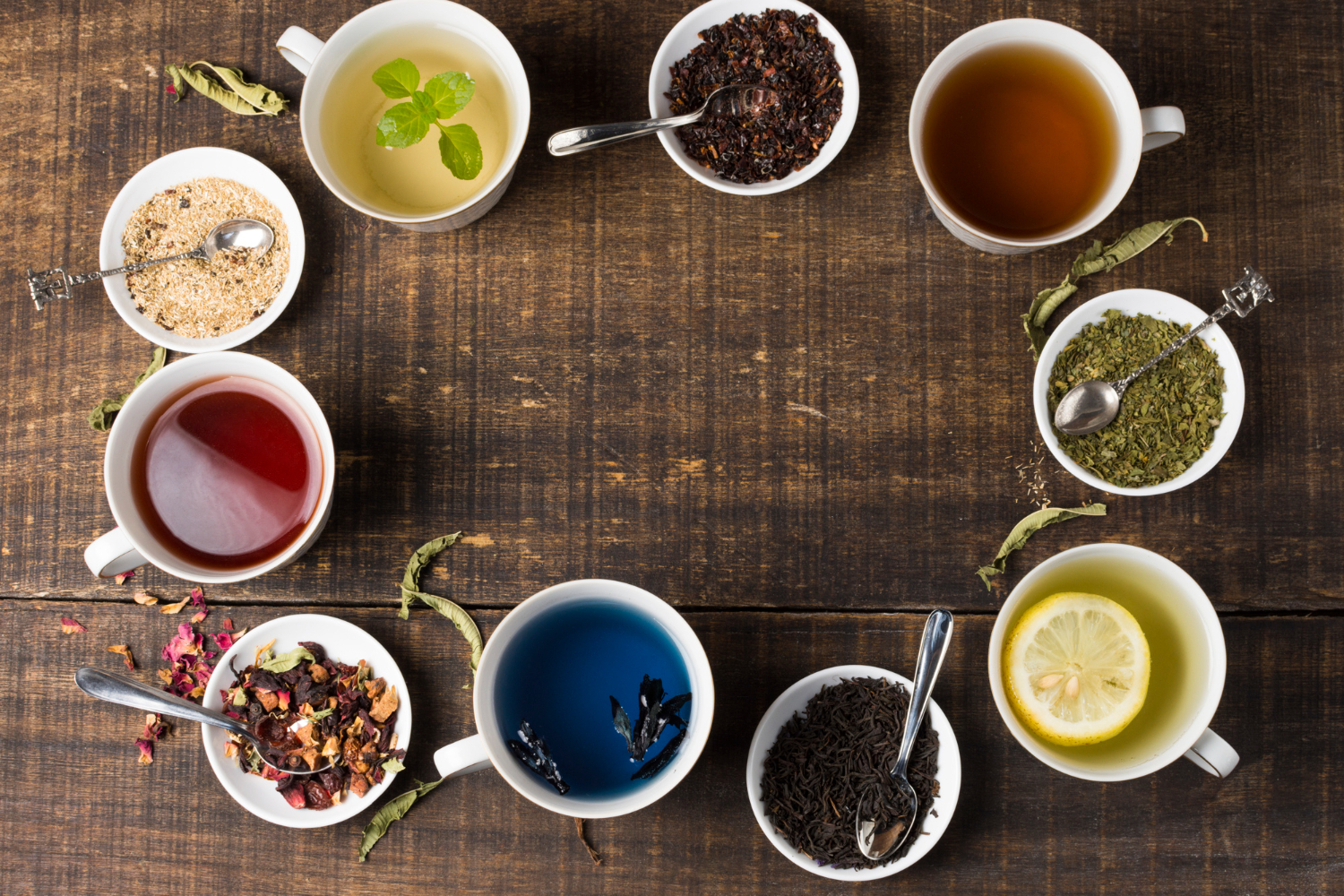
Camellia sinensis varieties are more popularly known as black, green, oolong, white teas
Photo Credit: Freepik
What Is Camellia Sinensis Tea?
Tea in the strict sense comes only from the leaves of the Camellia sinensis plant, the evergreen shrub cultivated in India, China, Japan and Sri Lanka. Different processing methods create black, green, oolong and white teas, each with varying levels of oxidation and flavour.
Health Benefits Of Black, Green And White Teas
- Antioxidant and Anti-Inflammatory Effects: The polyphenols in Camellia sinensis, particularly catechins and epigallocatechin gallate (EGCG), neutralise free radicals and reduce inflammation, factors linked to lower risks of chronic diseases.
- Heart and Metabolic Health: Observational studies find that green and black tea consumption is associated with lower risks of heart disease, stroke, and type 2 diabetes, likely due to improved lipid profiles and insulin sensitivity.
- Brain and Cognitive Function: The combination of caffeine and bioactive compounds may support alertness, memory and neuroprotection over time, potentially reducing age-related cognitive decline.
Camellia sinensis teas also contain caffeine (variable by type), which can enhance focus but may not suit everyone, particularly those sensitive to stimulants.
Also Read: Green Tea Allergy Is Real: Here's How To Tell If You Have It

Herbal brews are packed with more antoxidants
Photo Credit: Freepik
Herbal Infusions: Not "Tea," But Still Healthy
Herbal "teas", technically known as tisanes, are infusions made from herbs, spices, roots, seeds or fruits. Popular examples include peppermint, ginger, tulsi, rooibos and hibiscus brews. FSSAI's clarification makes it clear these cannot be labelled as tea unless derived from Camellia sinensis.
Health Benefits of Herbal Infusions
- Caffeine-Free Options: Many herbal drinks naturally lack caffeine, making them ideal for evening relaxation or for those avoiding stimulants.
- Antioxidant and Anti-Inflammatory Properties: Research shows herbal infusions are rich in polyphenols and flavonoids, which support antioxidant activity and may contribute to reduced inflammation and immune support.
- Digestive and Calming Benefits: Certain herbs like chamomile and peppermint have long been used traditionally to soothe digestion and promote relaxation, although benefits vary by plant and preparation.
However, unlike Camellia sinensis tea, herbal infusions typically lack standardised levels of bioactive compounds, so effects are more variable and less studied in large human trials.
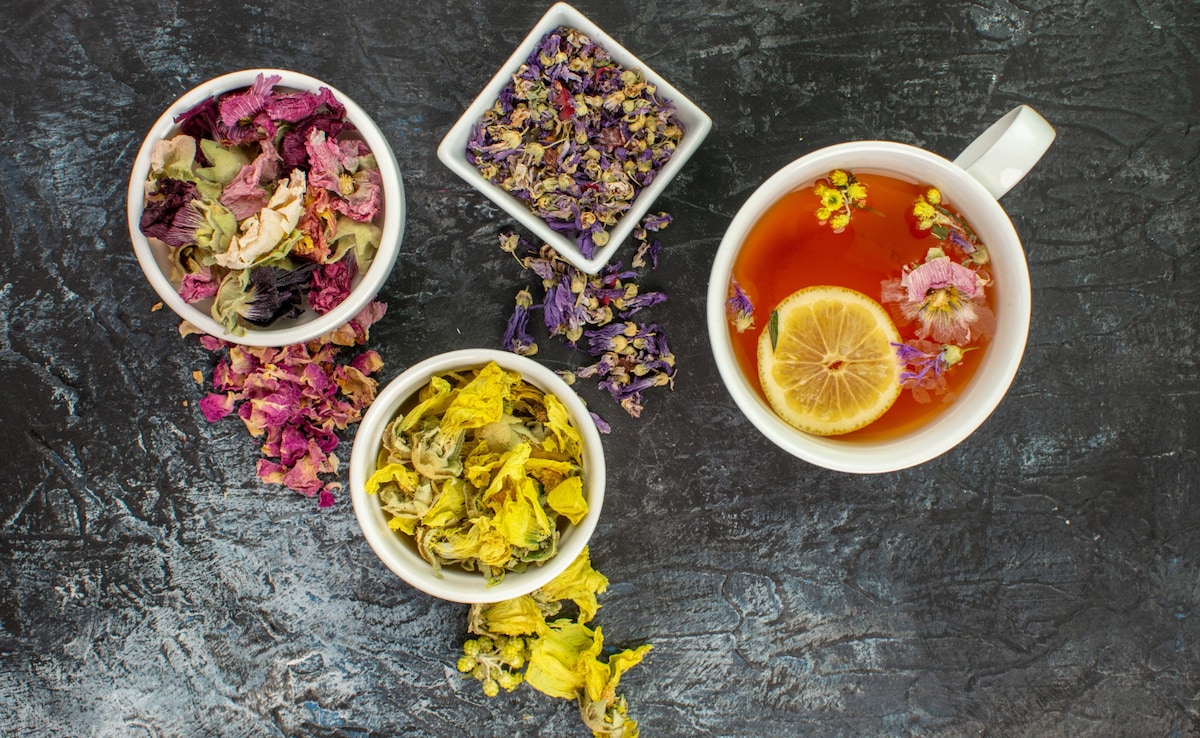
Floral teas have more unregulated bioactive compounds
Photo Credit: Freepik
Flower Infusions: Aesthetic, Functional, But Perhaps Not As Healthy
Flower-based beverages, such as chrysanthemum tea or butterfly pea flower brew, occupy a unique niche. Often grouped with herbal infusions, these drinks use dried flowers instead of leaves but may still be mislabelled as tea in everyday use.
Health Benefits Of Floral Teas
- Unique Phytonutrients: Flowers like chrysanthemum and butterfly pea contain compounds with antioxidant, calming and even nootropic properties, though clinical evidence is limited compared to Camellia sinensis.
- Caffeine-Free Hydration: Like many herbal blends, flower infusions are generally caffeine-free, making them suitable for night-time consumption.
While not "tea" by legal or botanical definition, flower infusions can complement a wellness routine, especially for stress relief or hydration.
Also Read: Clove-Ginger Tea In Winter: Here Are All The Benefits Of This Powerful Duo
How to Choose the Right Brew for You
- If You Want Heart and Brain Support: Choose Camellia sinensis teas (green, black or oolong) for their well-studied antioxidant and metabolic benefits. Moderate daily intake (e.g., 2-3 cups) is associated with health advantages in observational research.
- For Caffeine-Free, Gentle Effects: Herbal and flower infusions are ideal. Peppermint may aid digestion, chamomile can support sleep, and rooibos offers antioxidants without caffeine.
- If You're Sensitive to Caffeine: Flower or herbal brews are preferable, especially in the evening or for stress relief.
The FSSAI's clarification highlights a botanical and regulatory truth: Only beverages from Camellia sinensis can legally be called tea in India. Yet, herbal and flower infusions, though not "true tea", remain popular globally for their unique flavours and potential wellness benefits. While Camellia sinensis teas boast the most robust scientific support for cardiovascular, metabolic and cognitive health, herbal and flower brews offer caffeine-free alternatives rich in diverse plant-derived compounds. Choosing the healthiest option depends on your individual goals, caffeine tolerance and taste preferences.
Disclaimer: This content, including advice, provides generic information only. It is in no way a substitute for a qualified medical opinion. Always consult a specialist or your own doctor for more information. NDTV does not claim responsibility for this information.