

)
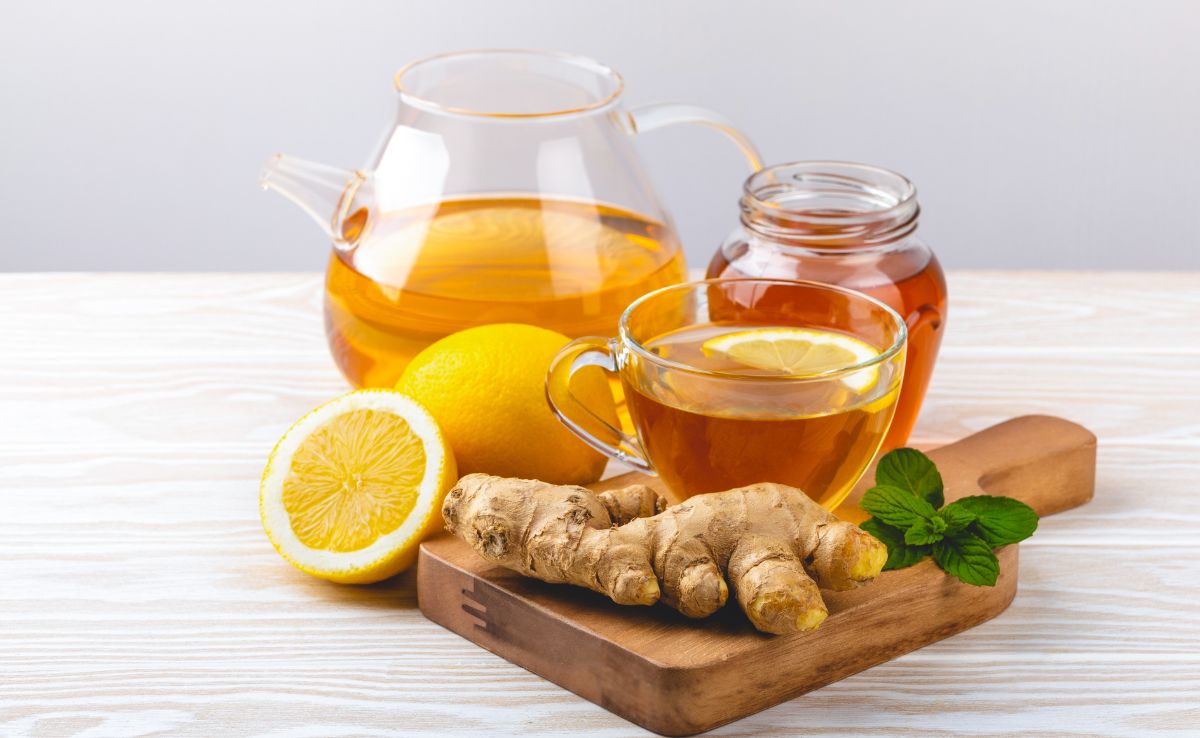
Irritable bowel syndrome (IBS) is a common health condition that affects the stomach and intestines, affecting about 10% to 20% of the Indian population. IBS can be highly discomforting and contribute to symptoms like stomach cramps, bloating, a change in bowel movements, diarrhoea, constipation, and others. However, a few natural remedies can help offer instant relief, but only to a certain extent. One such popular remedy is drinking a warm cup of adrak, or ginger tea, first thing in the morning. Here, let's understand how ginger tea help manage symptoms of IBS.
How Does Ginger Tea Help With IBS Symptoms?
Ginger has been traditionally used in various cultures, including traditional Chinese medicine and Ayurveda, to support digestive function. It is known to offer instant relief from gastrointestinal issues. The potential benefits of ginger tea for IBS symptoms include:
- Reducing intestinal cramping: Ginger may help in easing painful spasms in the intestines.
- Preventing indigestion: It is thought to improve overall digestion and prevent feelings of heaviness or discomfort immediately after eating.
- Reducing bloating: Many individuals report that ginger helps reduce abdominal bloating.
- Calming nausea: Ginger is well-known for reducing nausea and the sick feeling often associated with people who suffer from irritable bowel syndrome.
- Maintenance of gut health: Ginger can influence gut health, which can be beneficial for both constipation-predominant IBS and diarrhoea-causing IBS.
For each of these cases, certain studies suggest that concentrated ginger powder can speed up gastric emptying and the transit of food through the digestive system. For this, a dose of about 1 gram of powdered ginger daily might be effective. To prepare ginger tea, the powdered form can be used, however, half an inch of whole raw ginger works best.
Note: Check the quality of the powdered ginger before usage, as adulterated ginger powder can worsen IBS symptoms.
Diarrhoea caused by IBS requires monitored ginger consumption, as it is a serious symptom that can impact overall functioning. Relying on natural remedies is not safe when symptoms are serious. For momentary relief, ginger tea may help slow down the amount of water drawn into the bowel, which reduces the speed at which food passes through the system.
Read More: Ginger And Honey For Lung Health: Benefits Of The Cough And Cold Remedy Explained
Role Of Ginger's Active Ingredients
The two powerful compounds, namely gingerol and shogaol, are helpful agents for digestion. Their primary functions act as gut health regulators that help soothe constipation and relieve painful stomach cramps. Shogaol is known for its powerful anti-inflammatory properties and the ability to reduce spasms in the stomach muscles.
When To Drink Ginger Tea
The exact time that ginger tea can be helpful for reducing painful symptoms of IBS is in the morning, which is 20-30 minutes before breakfast. This helps wake up the digestive system.
If drinking ginger tea is a new addition to the daily routine, then ease into the process; start with a small quantity at half a cup of stewed tea and slowly increase the dosage to a whole cup.
Caution: People who have diarrhoea-inducing IBS need constant monitoring, as certain medications can interfere with the symptoms. There is a need to identify the type of IBS and proceed accordingly with the quantity that is required for relief.
Read More: 5 Ways Curd Or Dahi Can Restore Gut Balance And Build Immunity
Side Effects Of Ginger Tea
There are certain side effects that consuming high doses of ginger tea can bring that can result in:
- Heartburn
- Acid reflux (excess acidic state in the stomach)
- Medication interference (most common with diabetes and blood thinners)
Ginger tea is a great natural remedy when consumed in small doses, but an excess of it can still trigger symptoms for some people. Starting slowly is key. One should proceed accordingly under the guidance of medical professionals. No natural remedy is absolute, and only consistent usage can yield positive results.
Disclaimer: This content, including advice, provides generic information only. It is in no way a substitute for a qualified medical opinion. Always consult a specialist or your own doctor for more information. NDTV does not claim responsibility for this information.