

)
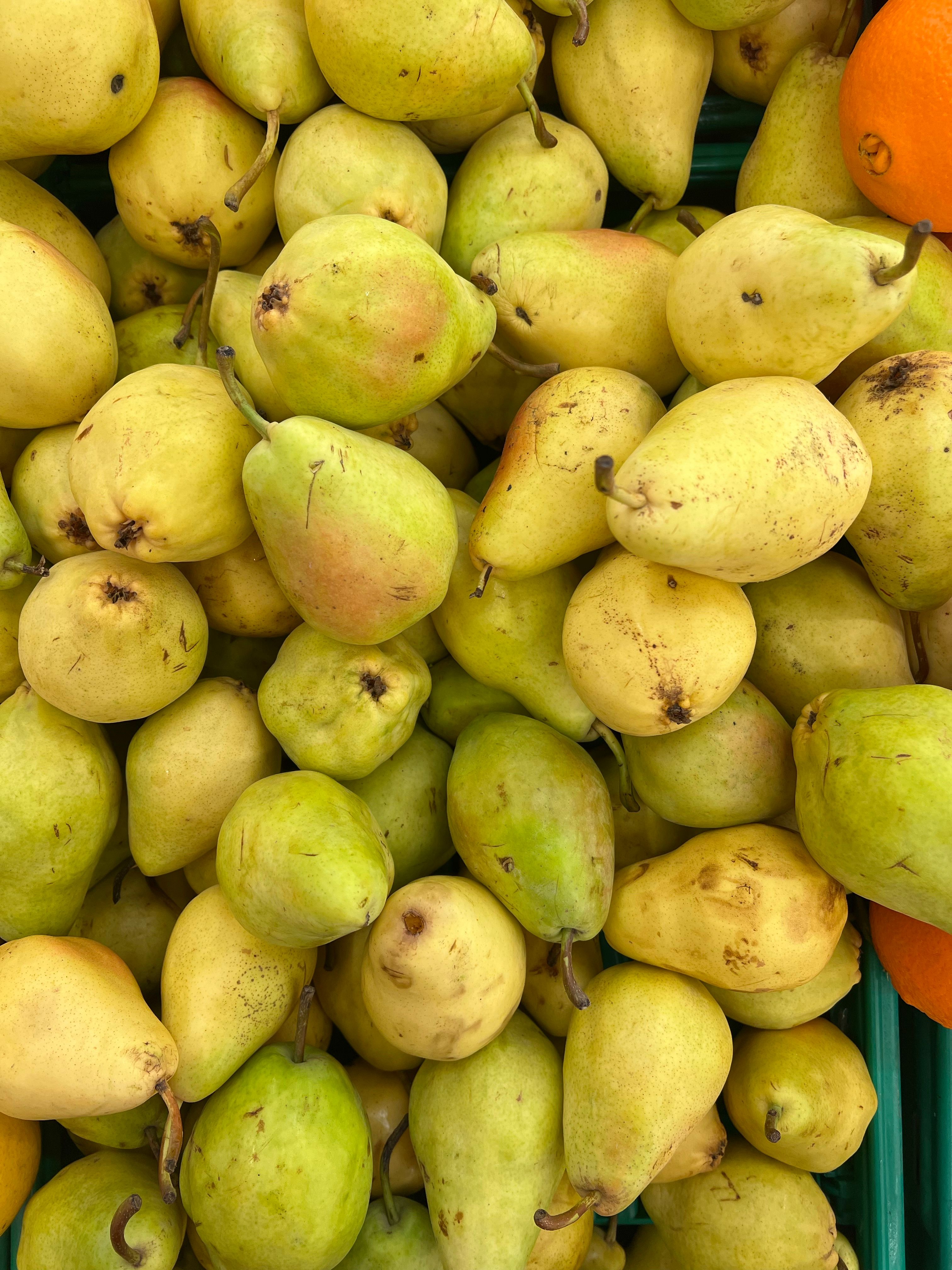
For millions navigating Type 2 diabetes or prediabetes, reaching for fresh fruit can feel like a dietary dilemma. The pervasive fear of post-meal glucose spikes causes many to eliminate fruit entirely from their kitchens, a restrictive habit that deprives the body of essential fibre, antioxidants, and micronutrients. Among India's monsoon and late-summer produce, nashpati (Indian pear) frequently triggers debate in nutrition. With its firm, gritty crunch and subtle sweetness, people often ask if this seasonal staple is safe for glycemic control, or can it trigger an unwanted blood sugar surge that can have side effects on your health?
Understanding this is important as the scale of India's metabolic challenge makes these everyday kitchen decisions vital. According to the landmark ICMR-INDIAB study published in The Lancet Diabetes and Endocrinology Journal, India is currently home to over 101 million people living with diabetes, alongside another 136 million individuals living with prediabetes. With nearly a quarter of the population managing dysglycaemia, prioritising whole, low-glycaemic natural foods is a crucial public health imperative.
Nashpati is exceptionally good for blood sugar management. Far from being a metabolic risk, its unique physical structure, rich fibre profile, and natural polyphenols make it an outstanding fruit choice for stable glucose control.
How Nashpati Regulates Blood Glucose Levels
Understanding how Nashpati for blood sugar control functions requires looking at its physiological impact on digestion, carbohydrate breakdown, and cellular insulin sensitivity. Dr. Sujeet Jha, Director, Institute of Endocrinology, Diabetes and Metabolism, Max Healthcare, Saket, New Delhi, explains, "One of the most common myths I address in clinical practice is the belief that patients with diabetes should completely avoid sweet-tasting fruits."
He adds, "Nashpati is a remarkable example of a low-GI fruit that works with your metabolism, not against it. Its complex matrix of pectin fibre that slows down sugar release into the bloodstream while supplying essential micronutrients."
1. Remarkably Low Glycaemic Index (GI)
The pear glycemic index sits between 30 and 38, placing it comfortably within the low-GI bracket (defined as any food scoring below 55). Because of this low rating, the natural fructose in nashpati is absorbed slowly through the intestinal wall into the bloodstream, preventing the sharp, rapid insulin surges triggered by high-glycemic snacks.
2. High-Fibre Matrix And Satiety
A single medium-sized nashpati yields approximately 5.5 to 7 grams of total dietary fiber, delivering nearly 25% of your daily intake goal in a single serving.
- Soluble Fibre (Pectin): Forms a gel-like viscous layer in the gut, delaying stomach emptying and slowing down carbohydrate absorption.
- Insoluble Fiber (Lignin and Cellulose): Provides structural bulk that enhances gut microbiota health, curbing systemic inflammation and promoting improved insulin sensitivity.
3. Antioxidant Density And Flavonoids
The gritty, fibrous skin of the nashpati is packed with anti-inflammatory flavonoids, anthocyanins, and chlorogenic acid. Large-scale clinical literature, including long-term prospective cohort studies published in The American Journal of Clinical Nutrition, confirms that regular dietary intake of anthocyanin-dense fruits like apples and pears correlates with an 18% reduced risk of developing Type 2 diabetes.
How To Consume Nashpati Without Sugar Spikes
Dr Sujeet Jha also pinpoints, "As long as it is consumed whole and not as a juice, including a medium pear in your daily diet is a safe and smart choice for blood sugar management." To maximise the therapeutic nutrition benefits of Nashpati while keeping your postprandial glucose curves completely flat, keep these golden rules in mind:
1. Keep the Peel Intact: Never peel your pear. Over 60% of the fruit's total dietary fibre and its highest concentration of quercetin and polyphenols reside directly in the outer skin.
2. Avoid Juicing or Pureeing: Mechanical blending destroys the insoluble fibre scaffolding. Juicing transforms a slow-release, high-fibre whole fruit into a rapidly absorbed liquid that causes fast sugar spikes.
3. Pair with Healthy Fats or Protein: Eat sliced nashpati alongside 5-6 raw almonds, walnuts, or a tablespoon of pumpkin seeds. Protein and healthy fats further slow down gastric emptying.
4. Choose Firm Over Soft: Soft, overripe pears contain higher concentrations of free sugars as starches break down. A crisp, firm nashpati offers a lower overall glycaemic load.
Does Nashpati Increase Blood Sugar Levels?
Whole nashpati does not cause sudden blood sugar spikes. Thanks to its low glycaemic index (ranging from 30 to 38) and high fibre content (5.5-7 g per fruit), it produces a gentle, gradual release of glucose into the bloodstream.
Is A Pear Better Than An Apple For Diabetes?
Both apples and pears are top-tier low-GI fruits for diabetes management. However, Nashpati slightly edges out apples in total insoluble fibre per serving, making it particularly beneficial for digestive health and long-term satiety.
Can Diabetic Patients Eat Nashpati Daily?
Yes, individuals living with Type 2 diabetes can safely enjoy one medium nashpati daily. It is best consumed as a structured mid-morning or afternoon snack rather than directly alongside a heavy, carb-dense meal.
What Is The Best Time To Eat Nashpati For Blood Sugar Control?
The ideal time to eat nashpati is mid-morning (around 11:00 AM) or as an evening pre-workout snack. Consuming it between main meals prevents energy slumps and keeps blood sugar stable throughout the day.
Nashpati is much more than a crunchy seasonal fruit but it is a powerful, budget-friendly tool for metabolic wellness. By leveraging its low glycemic index, dense fiber structure, and rich antioxidant profile, adding a whole, unpeeled pear to your daily diet can help curb cravings, support gut health, and keep blood sugar levels steady.
Also Read: Can Vitamin B12 Deficiency Cause Anxiety? Link Decoded
Disclaimer: This content including advice provides generic information only. It is in no way a substitute for a qualified medical opinion. Always consult a specialist or your own doctor for more information. NDTV does not claim responsibility for this information.