

)
Iron deficiency is one of the most common nutritional disorders, affecting all age groups. Iron helps to transport oxygen, supports brain function and contributes to a healthy immune system. When iron levels drop, people often suffer from fatigue, weakness and reduced concentration. It is fairly easy to maintain healthy iron levels by incorporating iron-rich foods into your daily diet. While most people often stick to spinach, pomegranate and black chana for the mineral, Nutritionist Lovneet Batra opens up about some common misconceptions and shares some of the best sources of iron. “Think you are eating the best sources of iron? Meet the real iron superheroes,” she writes before diving into the list.
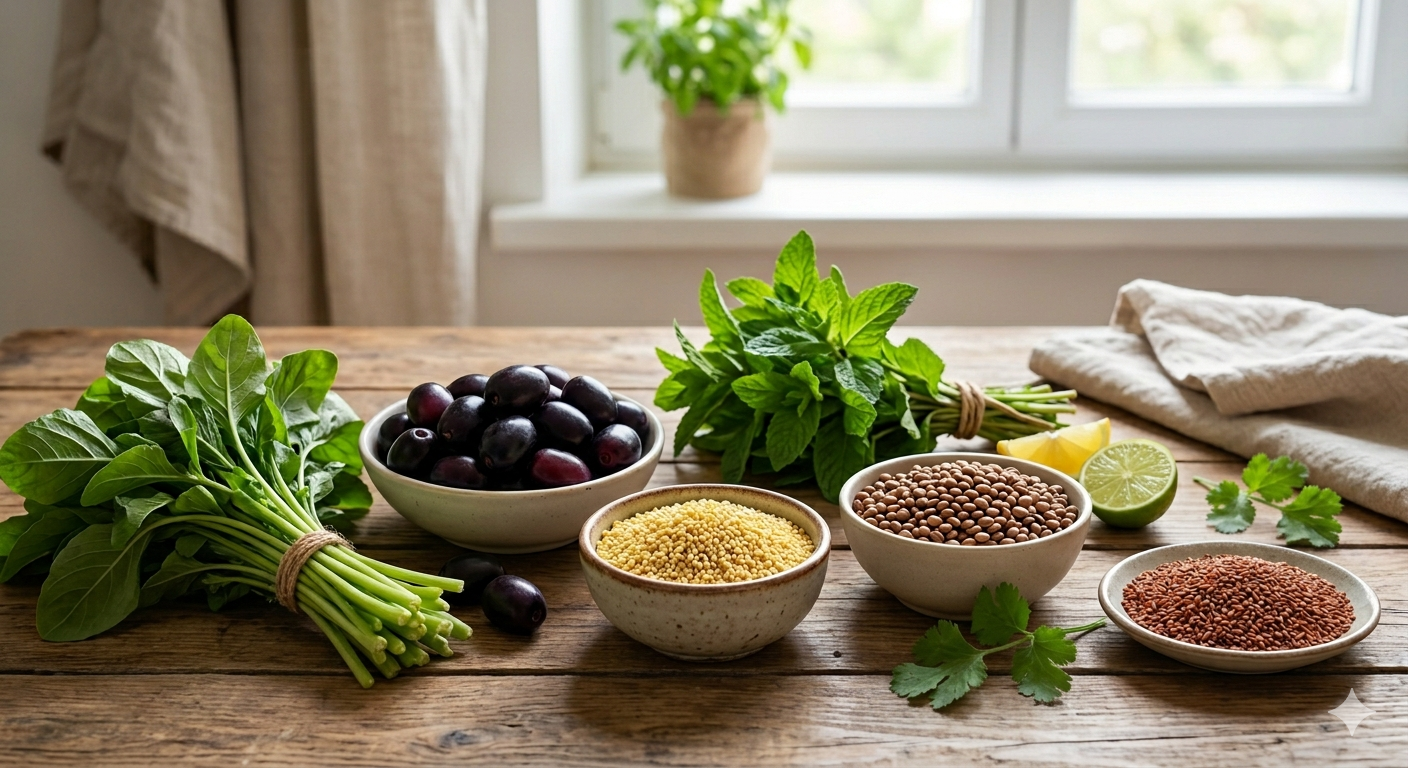
Greens with the most iron – Amaranth Greens
Amaranth greens are the real superheroes. This plant-based iron source is packed with roughly 2.3 mg of iron per 100 grams of raw leaves. They are also rich in folate, vitamin C and vitamin A, making them a potent, nutrient-rich addition to the diet.
Fruit with the most iron – Jamun
People often mistake pomegranate for having the highest iron level among fruits. According to the nutritionist, jamun contains a higher level of iron than pomegranate. It contains approximately 0.45 mg of iron per 100 g, making it one of the few fruits naturally higher in dietary iron than pomegranate. Jamun is a better source of direct iron, but pomegranate excels at enhancing overall iron absorption.
Millet with the most iron – Barnyard millet
Among millets, barnyard millet contains the most iron. A standard 100-gram serving contains approximately 15.2 mg to 8.6 mg of iron. This makes it one of the most iron-dense cereal grains that often outperforms common staples like wheat, rice and even many other millets.
Also Read: 7 Summer Foods That Can Help Boost Iron Levels
Herb with the most iron – Mint
According to the nutritionist, the herb with the most iron content is not coriander but mint. Mint leaves contain approximately 8.5 to 11.9 mg of iron per 100 grams, depending on the variety. Since mint contains non-heme or plant-based iron, your body can absorb it much more efficiently when paired with vitamin C.
Lentils with the most iron – moth beans
Although black chana is often thought to contain the most iron, it is actually moth beans that come with the highest iron levels among lentils. They contain roughly 5.5 mg to 10.8 mg of iron per 100 g, depending on the variety and preparation. Combine moth bean dishes with lemon juice, tomatoes or bell peppers to boost iron absorption.
Seeds with the most iron – Garden Cress Seeds
Garden cress seeds are highly rich in iron. These seeds contain roughly 12 mg of iron per tablespoon or up to 100 mg per 100 grams. As per the research published in the Food Science and Nutrition Journal, these seeds are highly bioavailable and can raise haemoglobin levels and combat iron-deficiency anaemia in children and adults.
Also Read: Gastroenterologist Recommends 5 Indian Herbs And Spices To Help With Acid Reflux
Nutritionist Lovneet Batra shared some quick tips to increase iron absorption.
1. Add lemon/raw mango with meals.
2. Keep tea/coffee away from meals.
3. Include enough protein, ideally 1.2 grams/kg body weight.
4. Don't rely only on supplements.
Consult with a healthcare professional before making major changes in your daily diet.
Disclaimer: This content including advice provides generic information only. It is in no way a substitute for a qualified medical opinion. Always consult a specialist or your own doctor for more information. NDTV does not claim responsibility for this information.