

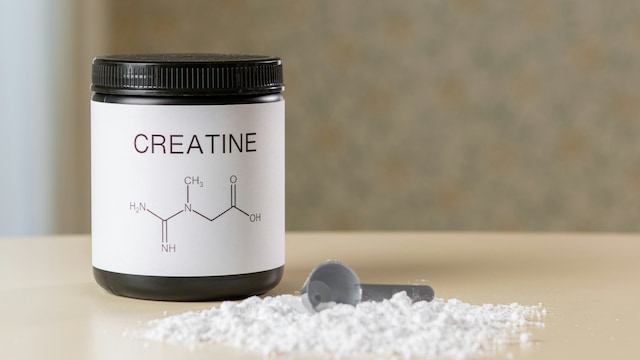
As people cross the age of 40, it becomes important to maintain muscle strength, energy levels and overall fitness. Ageing brings changes in muscle mass, bone health and physical performance. Many people may notice that they feel weaker, take longer to recover after exercise or find it harder to maintain their earlier fitness levels. Regular exercise, a balanced diet and adequate sleep remain essential. However, supplements such as creatine are gaining attention for their potential benefits for healthy ageing.
Creatine is commonly used by bodybuilders and athletes who want to build muscle and improve their performance during exercise. However, its benefits may go beyond sports and weight training. Research suggests that creatine, especially when combined with resistance exercise, may help older adults maintain muscle strength and improve physical function. But is it suitable for everyone over 40? Read on to know more.
What Is Creatine And How Does It Work?
Creatine is a substance that the body produces naturally from amino acids. It is stored mainly in the muscles, with smaller amounts found in the brain. The body uses creatine to produce energy during short bursts of intense activity, such as lifting weights, climbing stairs or sprinting.
Creatine is also available as a dietary supplement. Creatine monohydrate is the most widely studied form and is commonly used for muscle strength and exercise performance. The body also gets small amounts of creatine from foods such as red meat and fish.
Can Creatine Help People Over 40?
Yes, creatine may provide benefits to people over 40, particularly when combined with regular strength training. As people age, they can gradually lose muscle mass and strength. This process can make everyday activities, including carrying groceries, climbing stairs and getting up from a chair, more difficult. Research suggests that creatine supplement along with resistance exercise can help increase muscle mass and strength. It may also improve physical function in older adults. However, creatine is not a substitute for exercise, and the benefits can vary depending on an individual's health, diet and activity levels.
5 Potential Benefits Of Creatine For People Above 40
1. Helps maintain muscle mass
Muscle loss becomes a concern with age, especially among people who are physically inactive. Creatine may help the muscles respond better to strength training, supporting muscle growth and helping people maintain lean body mass. This can be useful for adults who want to stay physically active as they age.
2. Supports muscle strength
Creatine helps the body produce energy during short, intense activities. This can help people perform exercises such as squats, weightlifting and resistance-band workouts in a better way. Over time, better training performance may help to improve strength.
3. May support healthy ageing
Maintaining muscle strength is important for independence as people get older. Stronger muscles can help with balance, mobility and regular activities. Creatine may support these activities when combined with the correct exercise, although it cannot prevent all age-related physical changes.
4. May benefit bone health
Some studies suggest that creatine combined with resistance training may help preserve bone health, particularly in older adults. However, the evidence is not conclusive that creatine improves overall bone density. It should not replace adequate calcium and vitamin D intake, weight-bearing exercise or medical treatment.
5. May have benefits for brain health
Creatine is also present in the brain, where it helps in energy production. Early research suggests that supplementation may help certain aspects of memory and thinking, particularly in some older adults. However, findings are still developing, and more research is needed.
How Much Creatine Should People Over 40 Take?
For healthy adults, a commonly used dose is 3-5 grams of creatine monohydrate daily. Taking a smaller daily dose consistently can gradually increase creatine stores in the muscles.
Creatine can be mixed with water or another beverage and taken at a convenient time. Consistency is more important than taking it immediately before or after a workout.
Creatine is generally considered safe for healthy adults when taken at recommended doses. However, some people may experience water-related weight gain, bloating or digestive discomfort. People with kidney disease or other medical conditions should seek medical advice before using creatine.
Disclaimer: This content including advice provides generic information only. It is in no way a substitute for a qualified medical opinion. Always consult a specialist or your own doctor for more information. NDTV does not claim responsibility for this information.