

)
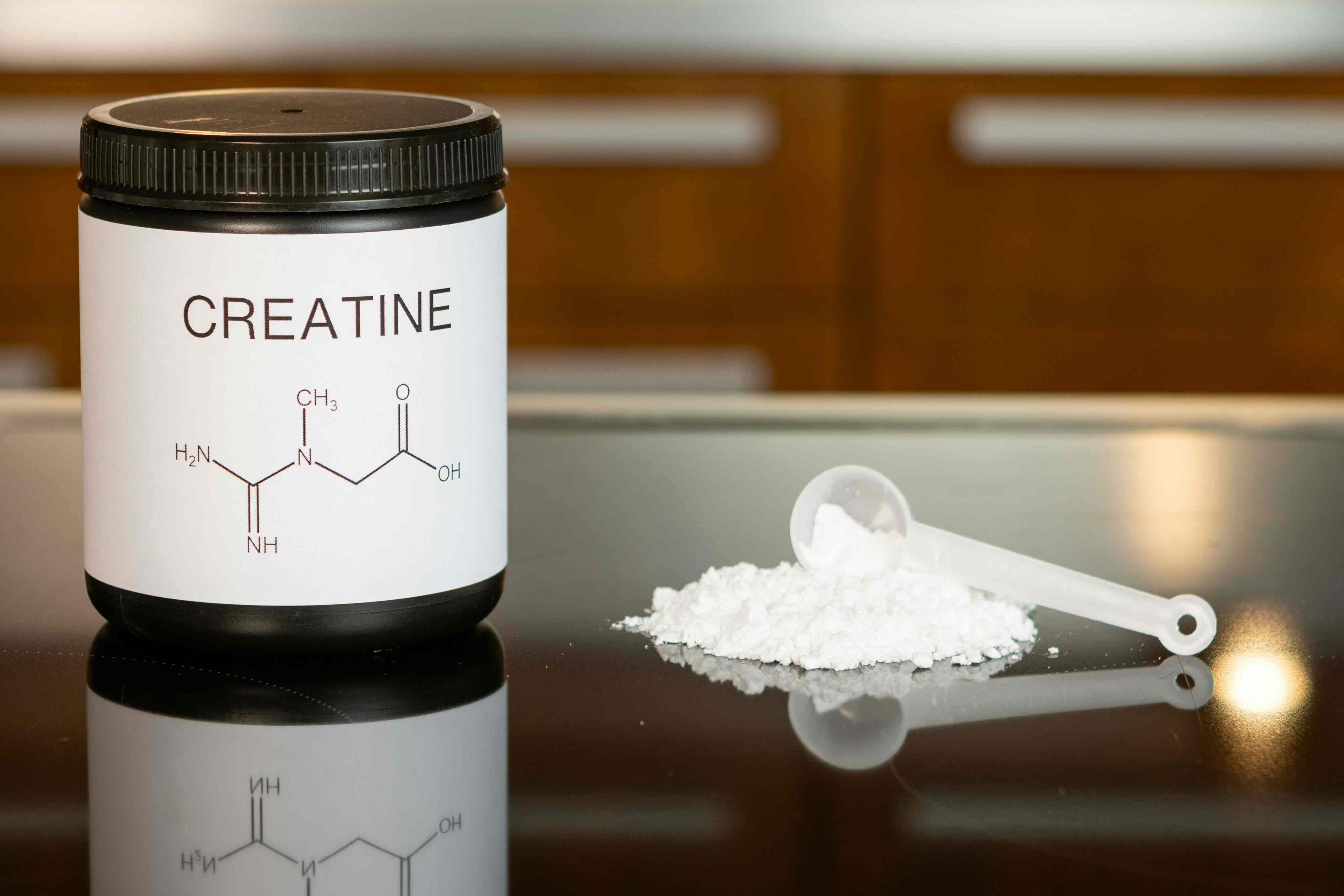
Creatine is one of the most widely used supplements among people who strength train, but what happens when you stop taking it? Does the muscle disappear? Does strength drop suddenly? Or does the body simply return to its normal creatine levels? Stopping creatine does not cause withdrawal symptoms, hormonal disruption or sudden muscle loss, according to Ms Charu Dua, Head, Clinical Nutrition and Critical Care, Amrita Hospital, Faridabad. However, some changes in muscle water content, body weight and high-intensity exercise performance may occur over the following weeks.
Does Stopping Creatine Cause Muscle Loss?
Stopping creatine does not mean that the muscle built through consistent training suddenly disappears. Creatine is naturally produced by the body and is also obtained through foods such as meat and fish. In muscles, creatine is converted into phosphocreatine, which acts as a readily available energy reserve. It helps replenish adenosine triphosphate (ATP), the body's immediate energy currency, during short bursts of intense activity such as weightlifting, sprinting and explosive movements. Supplementation increases the amount of creatine stored in the muscles. When supplementation stops, these levels gradually return towards their normal baseline.
"There is no biochemical crash after stopping creatine. The metabolic reserve created by supplementation gradually returns to physiological levels," says Dua. Research suggests that elevated muscle creatine concentrations generally return to pre-supplementation levels within around four to six weeks after stopping supplementation. Some earlier loading studies found that muscle creatine returned close to baseline within about 30 days. Importantly, there is no evidence that stopping creatine causes muscle creatine stores to fall below the level they were at before supplementation.
You May Lose Some Weight
One of the first changes you may notice after stopping creatine is on the weighing scale. Creatine increases water retention inside muscle cells. This is intracellular water, not body fat. When supplementation is discontinued and muscle creatine levels gradually decline, some of this additional water is also lost. As a result, body weight may decrease slightly and muscles may appear less full. "This change should not be confused with losing body fat or losing the contractile muscle tissue developed through training," explains Dua. So, if the scale drops after stopping creatine, it does not necessarily mean that your hard-earned muscle has disappeared.
Can Your Strength And Performance Drop?
Some people may notice a small difference in performance after discontinuing creatine, particularly during repeated, high-intensity efforts. Creatine supplementation can improve the availability of phosphocreatine during activities that require short bursts of energy. This can translate into benefits such as being able to perform an additional repetition, maintain power during repeated sets or recover slightly better between intense efforts. After stopping supplementation, that additional ergogenic benefit gradually disappears.
"You may notice a slight reduction in explosive performance, such as being able to do one fewer repetition or recovering a little more slowly between repeated peak efforts," says Dua. The effect is generally more relevant to strength, power and high-intensity exercise than to steady-state endurance activities.
Will You Lose The Muscle You Built?
The long-term muscle and strength adaptations produced by resistance training do not depend entirely on continued creatine supplementation. If you continue to train consistently, consume adequate protein and calories, and get enough sleep and recovery, most of the actual training adaptations can be maintained. Creatine can provide an additional performance advantage, but it is not responsible for every gain made in the gym. In simple terms, stopping creatine may remove some of the supplement's performance benefits, but it does not erase months or years of properly performed resistance training.
Does Your Body Stop Making Creatine?
The body naturally produces creatine from amino acids including glycine, arginine and methionine, mainly in the liver and kidneys. Dietary sources, particularly meat and fish, also provide creatine. Supplementation increases the body's available creatine pool, but the body does not become permanently dependent on the supplement. Once supplementation stops, muscle creatine gradually returns to its normal physiological range.
Do You Need To Taper Or Cycle Creatine?
For most people who choose to stop taking creatine, there is generally no need to taper the dose gradually. "You do not generally need to cycle or taper creatine," says Dua. Stopping it simply allows muscle creatine stores to gradually decline over several weeks. The more important question is whether supplementation is appropriate for the individual in the first place.
Who Should Be Careful With Creatine?
Creatine is not automatically appropriate for everyone. Evidence for its performance benefits is strongest among athletes and people participating in structured resistance training. It may also have applications in certain therapeutic settings under professional supervision. People with kidney disease, complex medical conditions or those taking multiple medications should discuss creatine supplementation with a healthcare professional before using it. Pregnant women should also seek medical advice rather than starting supplements on their own.
A balanced diet remains the foundation of sports nutrition. The 2024 dietary guidance from the ICMR National Institute of Nutrition also emphasises the importance of a varied and balanced diet.
What Should You Focus On After Stopping Creatine?
If you decide to stop creatine, there is no need to panic if your muscles look slightly less full or your weight decreases. Continue focusing on the fundamentals:
- Consistent resistance training
- Adequate protein intake
- Sufficient overall calories
- Good hydration
- Adequate sleep
- Proper recovery
- A balanced diet
These factors have a much greater influence on long-term muscle development than whether you continue taking a particular supplement. Stopping creatine does not cause withdrawal, hormonal problems or sudden muscle loss. Over the following weeks, muscle creatine levels gradually return to their pre-supplementation range, and some of the water stored inside muscle cells may be lost. You may also notice a small reduction in high-intensity exercise performance because the extra performance benefit provided by creatine is no longer present. But the muscle you built through consistent training does not simply disappear. "Stopping creatine does not take away the muscle gained from focused exercise, just a small ergogenic benefit," says Dua.
For most people, the key to maintaining muscle after stopping creatine remains the same: keep training, eat adequately, consume enough protein and give your body enough time to recover.
Disclaimer: This content including advice provides generic information only. It is in no way a substitute for a qualified medical opinion. Always consult a specialist or your own doctor for more information. NDTV does not claim responsibility for this information.