

)
When you step on the weighing scale and see the number dropping, it can feel like your weight-loss efforts are finally paying off. But a lower number does not always mean you are losing body fat. Your body weight can fluctuate because of changes in water, glycogen, food intake and even bowel movements. If your goal is fat loss, the scale is only one part of the picture. Paying attention to changes in your body, measurements, strength and overall appearance can give you a better idea of whether you are actually losing fat while preserving muscle. Here are five signs that your body is likely losing fat rather than simply losing weight.
1. Your Waist Is Getting Smaller
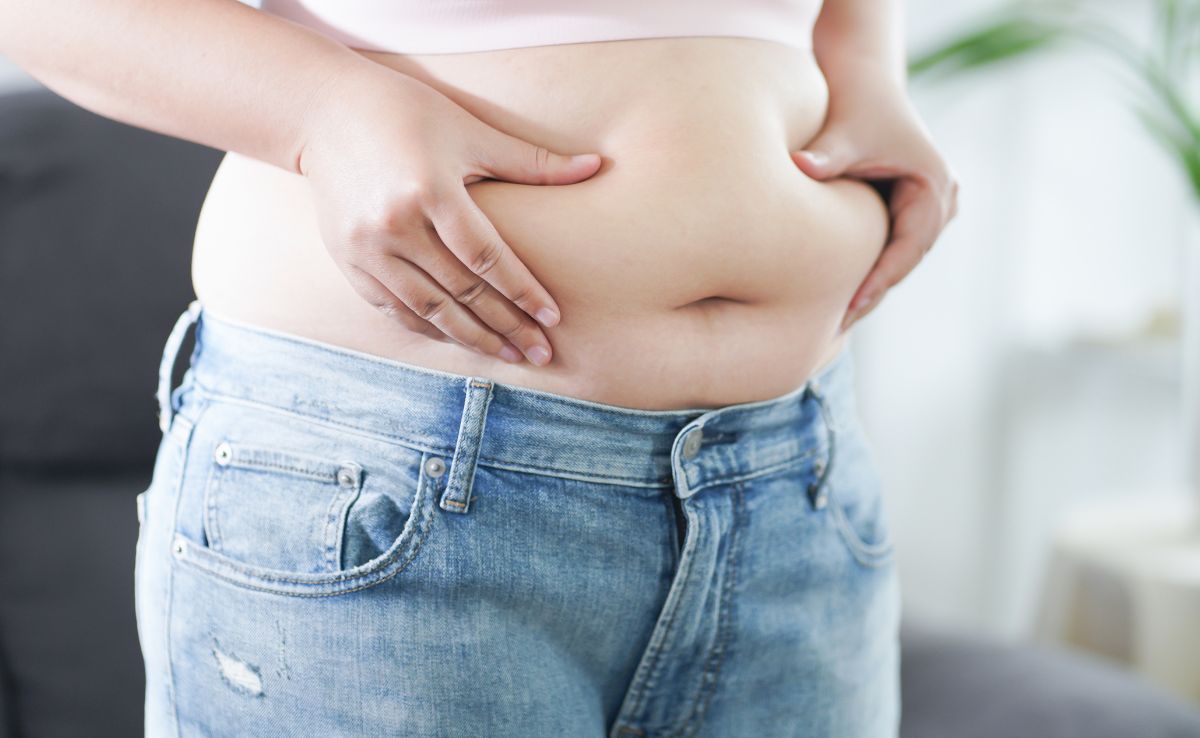
One of the most useful signs of fat loss is a reduction in your waist circumference. If your trousers or jeans are becoming looser around the waist, even when your scale weight is changing slowly, it may indicate that you are losing abdominal fat. This is particularly useful because body weight can remain relatively stable when you are simultaneously losing fat and maintaining or gaining muscle. Measuring your waist once every week or two, under similar conditions, can help you track changes more reliably. A gradually shrinking waist combined with stable or improving muscle strength is generally a positive sign of body-composition changes.
2. Your Clothes Fit Differently
You may notice that your shirts, trousers or other clothes are fitting more loosely even though the weighing scale has barely moved. Fat takes up more space than muscle for the same amount of weight. Therefore, changes in body composition can sometimes become noticeable through the way your clothes fit before they become obvious on the scale. Pay particular attention to your waist, hips, chest and thighs. If these areas are gradually becoming leaner, it can be a sign that your body-fat percentage is decreasing.
3. You're Getting Stronger While Looking Leaner
If you are following a resistance-training programme while eating in a moderate calorie deficit, maintaining or improving your strength can be a reassuring sign that you are preserving muscle as you lose fat. For example, if you are able to perform more repetitions with the same weight or gradually lift heavier weights while your waist is getting smaller, your body composition may be improving even if your total weight is not falling rapidly. However, strength can fluctuate for many reasons, including sleep, nutrition, stress and training experience. So it should be considered alongside other signs rather than used as a standalone measure of fat loss.
4. Your Body Looks More Defined
Changes in body definition can provide another clue. As the layer of body fat decreases, muscles may become more visible, particularly around the shoulders, arms, chest, abdomen and legs. You may notice greater muscle separation or a more defined waist. Taking progress photographs under similar lighting, clothing and posture every few weeks can make these gradual changes easier to spot.
Do not compare photographs taken under completely different conditions. Lighting, posture, hydration and even the timing of your meals can temporarily change how lean your body appears.
5. Your Weight Is Falling Gradually Rather Than Suddenly
Rapid changes on the scale do not necessarily mean rapid fat loss. A sudden drop over a few days can largely reflect water and glycogen changes, especially after reducing carbohydrate or salt intake. Actual body-fat loss generally happens more gradually. If your average weight is slowly trending downward over several weeks while your waist measurement is also decreasing, that provides stronger evidence that you are losing body fat.
This is why looking at your weight trend rather than becoming concerned about individual daily readings can be more useful.
Don't Let the Scale Tell the Whole Story
Successful fat loss is about improving body composition, not simply making the number on the scale as small as possible. If your waist is shrinking, your clothes are fitting better, your strength is being maintained and your body is becoming more defined, you may be making meaningful progress even if your weight loss appears slow. For a more complete picture, track several markers together: weekly average weight, waist circumference, progress photographs, workout performance and how your clothes fit.
Most importantly, avoid extreme calorie restriction simply to make the scale move faster. A sustainable calorie deficit, adequate protein, resistance training, sufficient sleep and consistency are more useful for losing body fat while preserving lean muscle
Disclaimer: This content including advice provides generic information only. It is in no way a substitute for a qualified medical opinion. Always consult a specialist or your own doctor for more information. NDTV does not claim responsibility for this information.