

)
With the rise in H1N1 cases, the Delhi government has asked both government and private schools to strengthen awareness and preventive measures against seasonal influenza, including H1N1. The Directorate of Education advised schools to adopt a "Healthy School-Healthy Community" approach and reinforce respiratory hygiene and other preventive practices among students and staff. Delhi Education Minister Ashish Sood said, "There is no need for panic. There is no emergency situation in Delhi or in the country. Seasonal illnesses, including influenza, are seen during this period of the year. Our focus is on preparedness, awareness and timely preventive action."
"I urge citizens to remain calm, vigilant and follow the health advisory issued by the authorities," he added. According to the advisory, symptoms such as sore throat, cough, difficulty in breathing, body ache, headache, fatigue, chills and fever may be associated with seasonal influenza or H1N1. Schools have been advised to encourage students and staff to cover their nose and mouth while coughing or sneezing and dispose of tissues properly.
According to the DoE, students and staff have been advised to avoid frequently touching their eyes, nose and mouth to reduce the risk of infection. Schools have also been told to discourage self-medication, with antibiotics and other medicines not to be taken without medical advice. It asked schools to spread awareness beyond classrooms through morning assemblies, classroom interactions, notice boards, parent communication channels and digital platforms.
Why Schools, Offices Are Hotspots For Flu Spread?
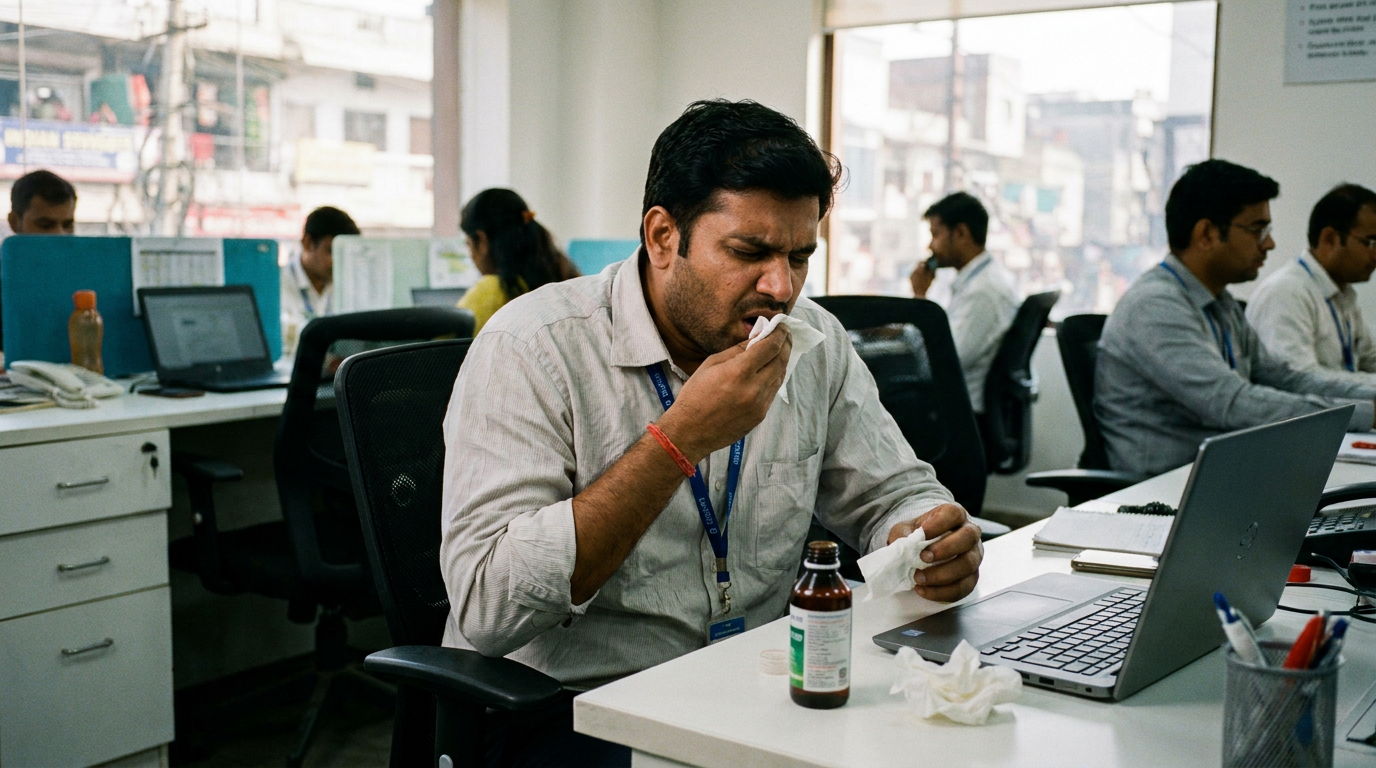
With the rise of H1N1 cases in several states across the country, it is important to understand that flu can spread quickly in places where many people spend several hours together. This makes schools and offices a common hotspot for infection. Influenza viruses can pass from one person to another through respiratory droplets and tiny particles released when an infected person coughs, sneezes, talks or breathes. Crowded indoor spaces, poor ventilation and frequent close contact can make transmission easier.
Schools are especially a vulnerable space because children interact closely with classmates, share desks and often touch common surfaces. Offices can face a similar problem, particularly when employees continue coming to work despite having flu symptoms. It is crucial to understand why these places lead to flu transmission, which can eventually help people take simple steps to reduce the risk.
1. Crowded Indoor Spaces
Schools and offices can have a lot of people sharing the same indoor environment. When an infected person is present, respiratory particles can spread to others, particularly when people are sitting or standing close together for long periods.
2. Poor Ventilation
Fresh air helps reduce the concentration of respiratory particles indoors. Rooms with closed windows or inadequate ventilation may allow these particles to remain in the air for longer, increasing the chance of exposure.
3. Close Contact Between People
Students regularly sit next to one another, play together and participate in group activities. Employees may work in shared rooms, attend meetings or sit at nearby desks. This close contact gives viruses more opportunities to move from one person to another.
4. Shared Surfaces
Flu viruses can also contaminate frequently touched objects and surfaces. Door handles, desks, keyboards, phones, lift buttons and classroom equipment may be touched by many people during the day. Touching a contaminated surface and then touching the eyes, nose or mouth can lead to infection.
5. People May Come In While Sick
One of the biggest challenges is that people may not always stay home when they have flu symptoms. Students may attend school due to exams or attendance, while employees may come to work because of deadlines or responsibilities. This can expose many others to the virus.
6. Children Can Spread Infections Easily
Children may have frequent physical contact with their classmates and may not consistently follow precautions such as covering coughs or washing their hands. They can also touch their faces frequently, making it easier for respiratory infections to circulate within classrooms and families.
How Can Schools And Offices Reduce Flu Spread?
Simple measures can make a difference. People who are unwell should stay home when possible and avoid close contact with others. Regular handwashing, covering coughs and sneezes, improving indoor ventilation and cleaning frequently touched surfaces can also help.
Vaccination is another important way to reduce the risk of influenza and its complications. During periods of increased flu activity, avoiding unnecessary close contact with people who are sick can further help to lower the chances of infection.
(With inputs from PTI)
Disclaimer: This content including advice provides generic information only. It is in no way a substitute for a qualified medical opinion. Always consult a specialist or your own doctor for more information. NDTV does not claim responsibility for this information.