

)
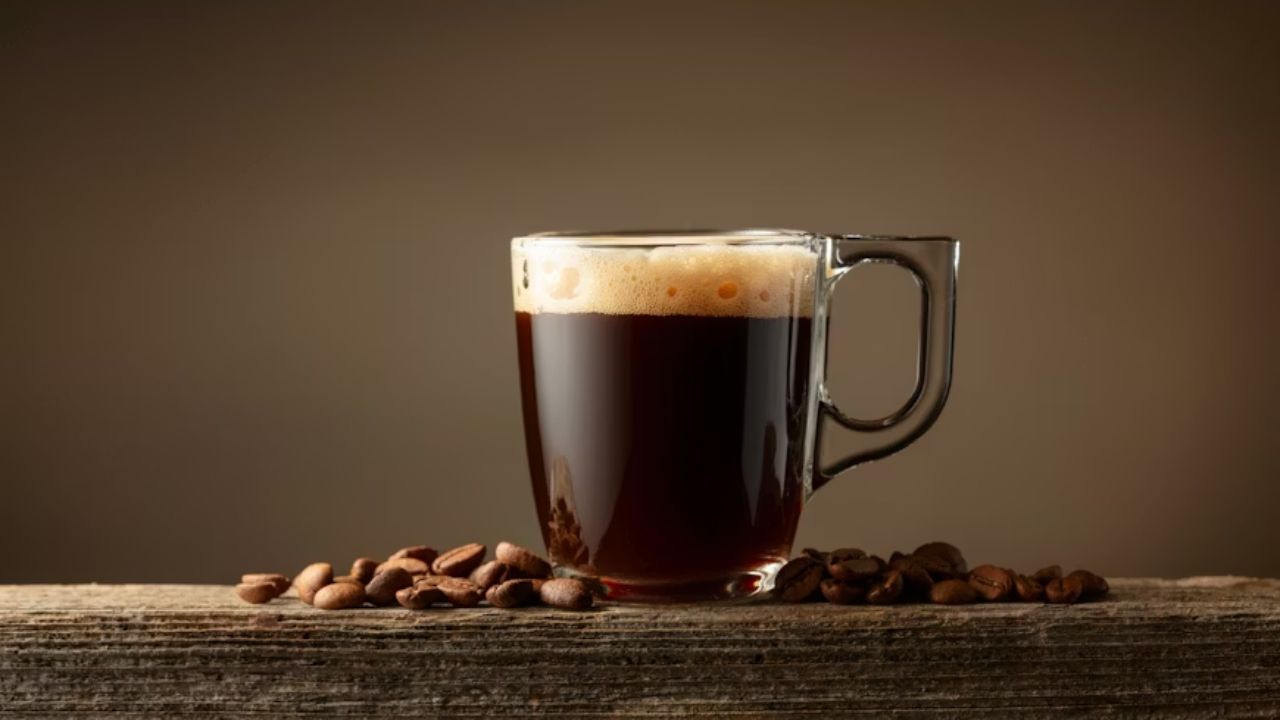
A cup of coffee is an essential part of a lot of people's morning routine. However, if you usually drink coffee with breakfast or immediately after a meal, it may affect how much iron your body absorbs from the food. Speaking to NDTV, Ms Veena V, Chief Clinical Dietician & HOD, Department of Clinical Nutrition and Dietetics, Aster Whitefield Hospitals, coffee contains polyphenols, including chlorogenic acids, which can reduce the absorption of non-haem iron. This type of iron is mainly found in plant-based foods such as legumes, vegetables, nuts and iron-fortified products.
The effect becomes more visible when coffee is consumed along with an iron-rich meal or soon afterwards. However, this does not mean that drinking coffee will automatically cause iron deficiency or anaemia. For healthy people who eat a varied and balanced diet, occasional coffee consumption is unlikely to be the only reason for low iron levels. The concern is higher among people who already have iron deficiency, have higher iron requirements or depend heavily on plant-based sources of iron. In such cases, when you drink coffee may matter as much as what you eat.
How Does Coffee Affect Iron Absorption?
The main concern is non-haem iron, which is less readily absorbed by the body than haem iron. Coffee contains polyphenols that can interfere with the absorption of this form of iron in the digestive tract. This means that drinking coffee alongside a meal containing plant-based iron may reduce the amount of iron that enters the bloodstream. The same problem applies to taking an iron supplement with coffee.
The effect does not mean that all the iron in a meal is blocked. Rather, the amount absorbed can be reduced, making meal timing particularly important for people who are already struggling with low iron levels.
Haem vs Non-Haem Iron: What Is The Difference?
Iron in food is broadly divided into two types: haem and non-haem iron.
Haem iron is found mainly in animal-based foods such as meat, poultry and fish. It is generally absorbed more efficiently by the body. Non-haem iron is found in plant-based foods, including beans, lentils, vegetables, nuts and fortified foods. Its absorption is more influenced by other components of the meal.
Therefore, people who get most of their iron from plant-based foods may need to pay closer attention to what they consume with their meals.
Should You Stop Drinking Coffee?
For most healthy people, there is no need to give up coffee simply because of concerns about iron absorption. The important factor is timing.
If you are taking an iron supplement, it is better not to take it with coffee or tea. Similarly, if you have consumed a meal that is a significant source of iron, drinking coffee immediately afterwards may reduce the absorption of non-haem iron. There should be some time between an iron source or supplement and your coffee. This can be useful for people who have been diagnosed with iron deficiency or have increased iron requirements.
What Should You Eat With Iron-Rich Foods?
The rest of the meal can also influence how much non-haem iron your body absorbs. One helpful nutrient is vitamin C. Foods rich in vitamin C, such as citrus fruits, amla, guava, tomatoes and capsicum, can improve the absorption of non-haem iron. Adding these foods to meals containing plant-based sources of iron can therefore be useful. For example, including tomatoes or capsicum with a meal containing lentils or beans can provide vitamin C alongside non-haem iron.
On the other hand, calcium and compounds found in tea and coffee can interfere with iron absorption. This is why it is better to consider the entire meal rather than focusing on a single food or beverage.
Who Needs To Be More Careful About Coffee And Iron?
The interaction is more important for people who already have low iron levels or are at greater risk of deficiency. This includes people with higher iron requirements and those whose diets rely on plant-based iron sources. For someone with adequate iron levels and a varied diet, occasional coffee consumption is unlikely to cause iron deficiency on its own. Iron status depends on several factors, including dietary intake, absorption, the body's requirements and blood loss.
Therefore, coffee should not automatically be blamed when blood tests show low iron.
What If You Already Have Iron Deficiency?
If iron deficiency or anaemia has been confirmed, simply changing the timing of your coffee may not be enough. The underlying reason for the deficiency needs to be identified.
Low iron can occur because of inadequate dietary intake, poor absorption, increased iron requirements or blood loss. In women, excessive menstrual bleeding may be an important factor. Depending on a person's age and symptoms, gastrointestinal bleeding may also need to be considered. Treatment should therefore focus on the cause as well as improving iron intake and absorption.
Coffee does not need to be eliminated from a healthy person's diet. However, if you have iron deficiency or are taking an iron supplement, avoid drinking coffee with the supplement or immediately after an iron-rich meal. Giving some time between coffee and your iron source can help minimise the interaction. "The key to avoiding this interaction is not to drink coffee with iron supplementation or immediately after consuming iron-containing foods, especially in cases of iron deficiency," adds Ms Veena V.
Disclaimer: This content including advice provides generic information only. It is in no way a substitute for a qualified medical opinion. Always consult a specialist or your own doctor for more information. NDTV does not claim responsibility for this information.