

)
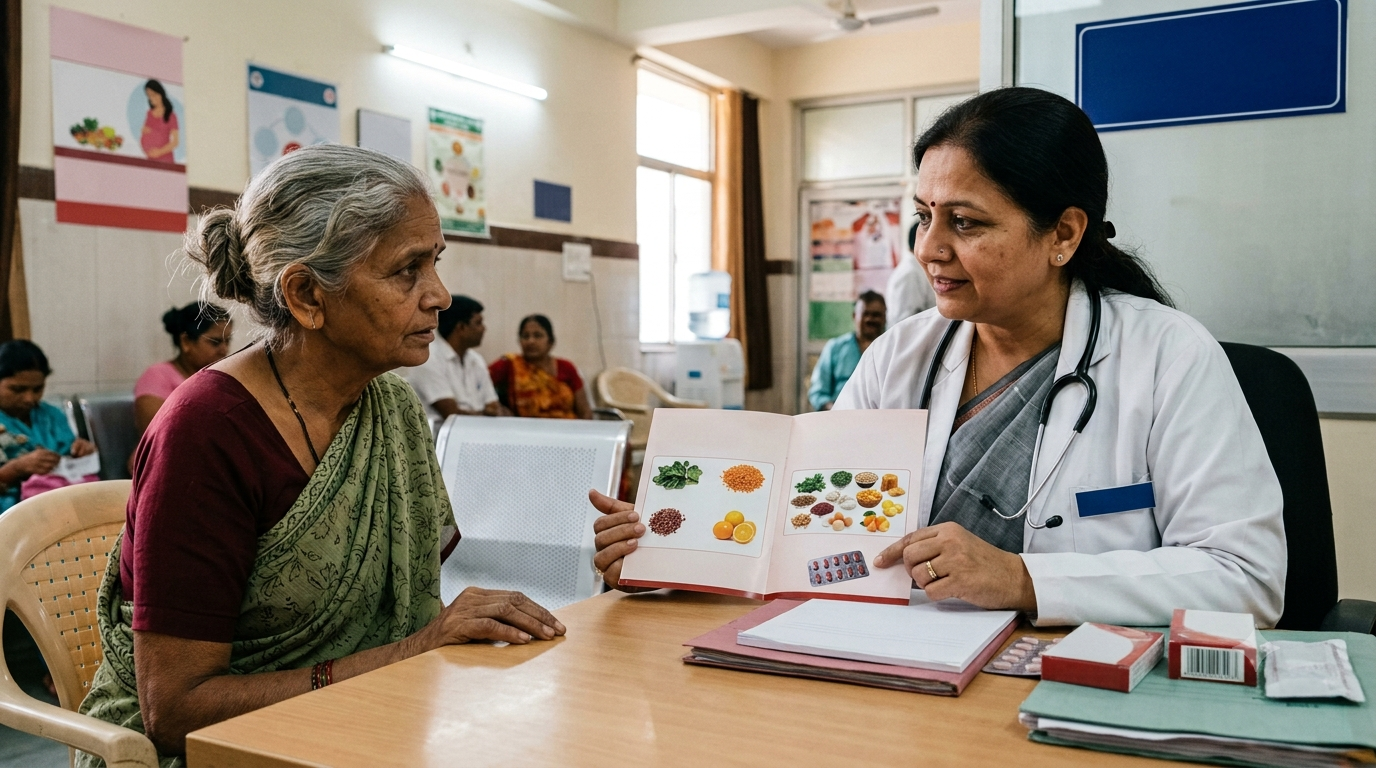
Iron is one of the most important nutrients needed to make haemoglobin, the protein in red blood cells responsible for carrying oxygen throughout the body. When the body does not get enough iron or cannot absorb it properly, iron-deficiency anaemia can develop, potentially causing tiredness, weakness, dizziness and poor exercise tolerance. For people looking for affordable sources of iron, everyday foods such as drumstick leaves (moringa) and masoor dal (red lentils) can be useful additions to the diet. But simply eating more iron-rich foods does not necessarily mean the body will absorb all the iron they contain. According to Zamurrud Patel, Chief Dietitian, Gleneagles Hospital, Parel, the type of iron found in plant foods needs particular attention.
Why Plant-Based Iron Is Not Easily Absorbed
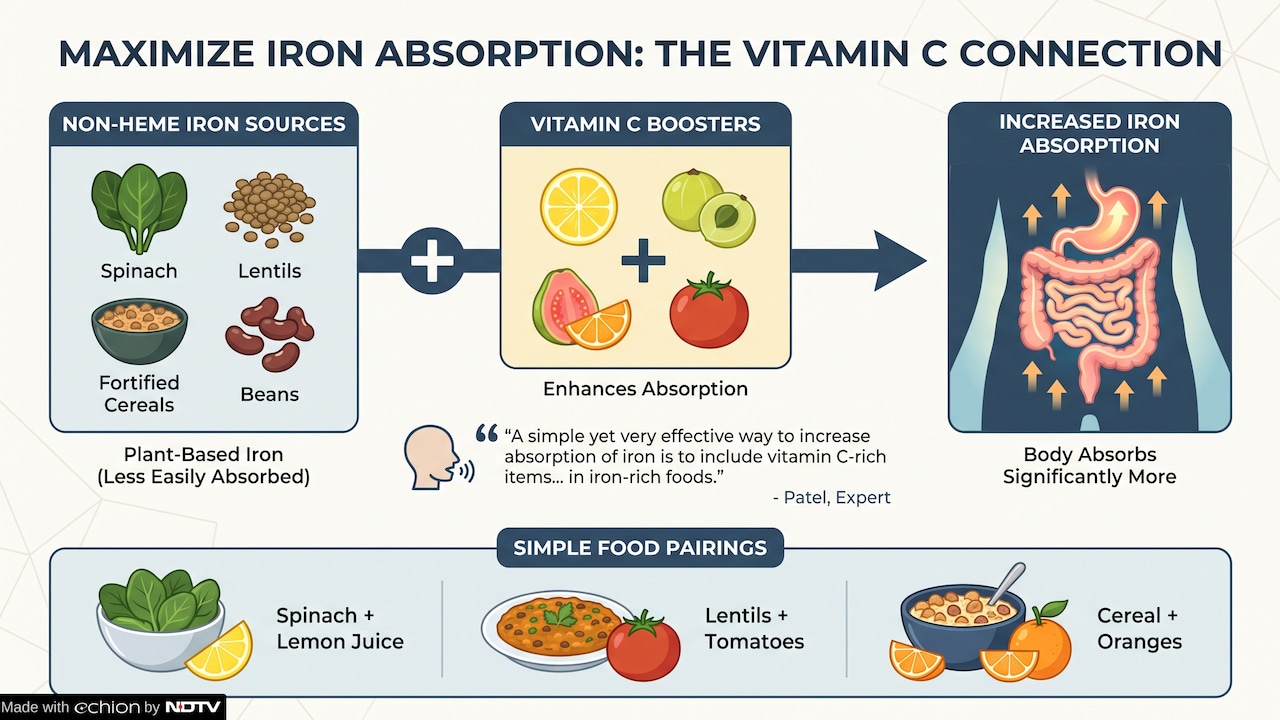
"Iron is very essential for us and it must be ensured adequately through food. Drumstick leaves and masoor dal are just a few examples of cheap plant-based foods that can provide iron," says Patel. "But we must be aware that the type of iron present in plants is not as easily digestible by the body. So eating more iron-rich food won't automatically give more iron in blood," Patel adds. Plant foods primarily contain non-heme iron, which is generally absorbed less efficiently than heme iron found in animal foods. This makes food combinations and overall dietary patterns important when trying to improve iron intake.
Add Vitamin C To Improve Iron Absorption
One of the simplest ways to help the body absorb more non-heme iron is to combine iron-rich foods with sources of vitamin C. Patel explains, "A simple yet very effective way to increase absorption of iron is to include vitamin C-rich items, like lemon, amla, guava, oranges or tomatoes, in iron-rich foods."
This means a meal containing masoor dal or drumstick leaves can be paired with lemon, tomatoes or another vitamin C-rich food. For example, adding a squeeze of lemon to a bowl of dal or having a vitamin C-rich fruit alongside an iron-containing meal can be a simple dietary strategy.
Avoid Tea And Coffee Around Iron-Rich Meals
Your choice of beverage can also affect how much iron your body absorbs. "One thing you should remember is not to drink tea and coffee with the iron-rich meal in a short time because they can decrease the absorption of iron," Patel says. Tea and coffee contain compounds that can interfere with the absorption of non-heme iron. Therefore, people trying to improve their dietary iron intake may benefit from avoiding these beverages around their main iron-rich meals.
Iron Is Not The Only Nutrient Needed For Healthy Blood
A healthy red blood cell system requires more than just iron. Patel says, "A good diet should also be rich in protein, folic acid, vitamin B12 and various other nutrients that are needed for proper functioning and maintenance of the body and its different parts, especially the red blood cells." This is why focusing on one food or nutrient alone may not provide complete nutritional support. A varied diet containing pulses, vegetables, fruits, whole grains, dairy or other appropriate protein sources can help provide a broader range of nutrients.
Can Drumstick Leaves And Masoor Dal Treat Anaemia?
They can contribute to a nutritious diet, but they should not automatically be considered a treatment for diagnosed anaemia. Dr Arun Vaidya, Gastroenterologist, Zynova Shalby Hospital, Ghatkopar West, Mumbai, points out that iron deficiency can have several causes. "Iron-rich foods such as drumstick (moringa) leaves and masoor dal can certainly contribute to maintaining good nutrition and supporting healthy iron levels. However, iron-deficiency anaemia is not always caused by inadequate dietary intake," he says. This distinction is important. Someone may have adequate iron in their diet but still develop iron deficiency because their body is not absorbing enough iron or because they are losing blood.
Why Persistent Iron Deficiency Needs Investigation
From a gastroenterology perspective, unexplained or persistent iron deficiency can sometimes be linked to problems affecting the digestive system. Dr Vaidya explains, "Persistent or unexplained iron deficiency should prompt evaluation for poor iron absorption or chronic gastrointestinal blood loss. Conditions such as gastritis, celiac disease, inflammatory bowel disease, peptic ulcer disease, or other sources of GI bleeding can contribute to iron deficiency." This means repeatedly low iron levels should not simply be attributed to a lack of iron-rich foods. In some cases, finding and treating the underlying cause may be just as important as replacing the iron itself.
Can Food Alone Help Fight Anaemia?
Diet can provide important nutritional support, but established or severe anaemia may require more than dietary changes. "A healthy diet can support recovery, but established or severe anaemia should not be managed with dietary changes alone," says Dr Vaidya. "When haemoglobin or ferritin levels are significantly low, iron supplementation may be required, along with appropriate evaluation to identify and treat the underlying cause," Dr Vaidya adds.Whether supplementation is required depends on blood test results, the severity and cause of iron deficiency, and the individual's overall health. Iron supplements should therefore ideally be taken under medical guidance rather than self-prescribed.
How To Make An Iron-Rich Meal More Effective
If you are including foods such as drumstick leaves and masoor dal in your diet, a few simple combinations can help make the meal more nutritionally useful. You can:
- Add lemon or tomatoes to dal or leafy vegetables.
- Include amla, guava or oranges as vitamin C-rich foods elsewhere in the meal.
- Avoid having tea or coffee immediately with an iron-rich meal.
- Include adequate protein in your overall diet.
- Eat a varied diet containing sources of folate and vitamin B12 as well as iron.
A drumstick-leaf and masoor-dal soup, for example, can be a nutritious addition to a balanced diet, particularly when paired with a vitamin C-rich ingredient. Drumstick leaves and masoor dal are affordable plant-based foods that can contribute to dietary iron intake. But when it comes to iron, what you eat is only part of the equation. The body also needs to absorb that iron effectively. Pairing plant-based iron sources with vitamin C-rich foods and avoiding tea or coffee around iron-rich meals can help improve absorption. At the same time, persistent or severe iron deficiency should not be managed through food alone. As Dr Vaidya puts it, "Recipes such as drumstick-leaf and masoor-dal soup can be a nutritious addition to a balanced diet, but persistent, severe, or recurrent iron deficiency warrants medical evaluation rather than relying solely on dietary correction."
Disclaimer: This content including advice provides generic information only. It is in no way a substitute for a qualified medical opinion. Always consult a specialist or your own doctor for more information. NDTV does not claim responsibility for this information.