

)
A deadly hantavirus outbreak linked to the cruise ship MV Hondius has triggered international concern after multiple passengers were medically evacuated to Europe for treatment and monitoring. Health authorities across several countries are now carrying out extensive contact tracing and isolation measures to contain the spread of the rare Andes strain of Hantavirus infection, which can occasionally spread between humans. The incident highlights how global health systems respond when infectious diseases emerge in closed settings like cruise ships, where passengers from multiple countries share confined spaces for weeks. Experts say rapid evacuation, monitoring, and coordinated international surveillance are critical to limiting wider transmission.
What Happened On The Cruise Ship?
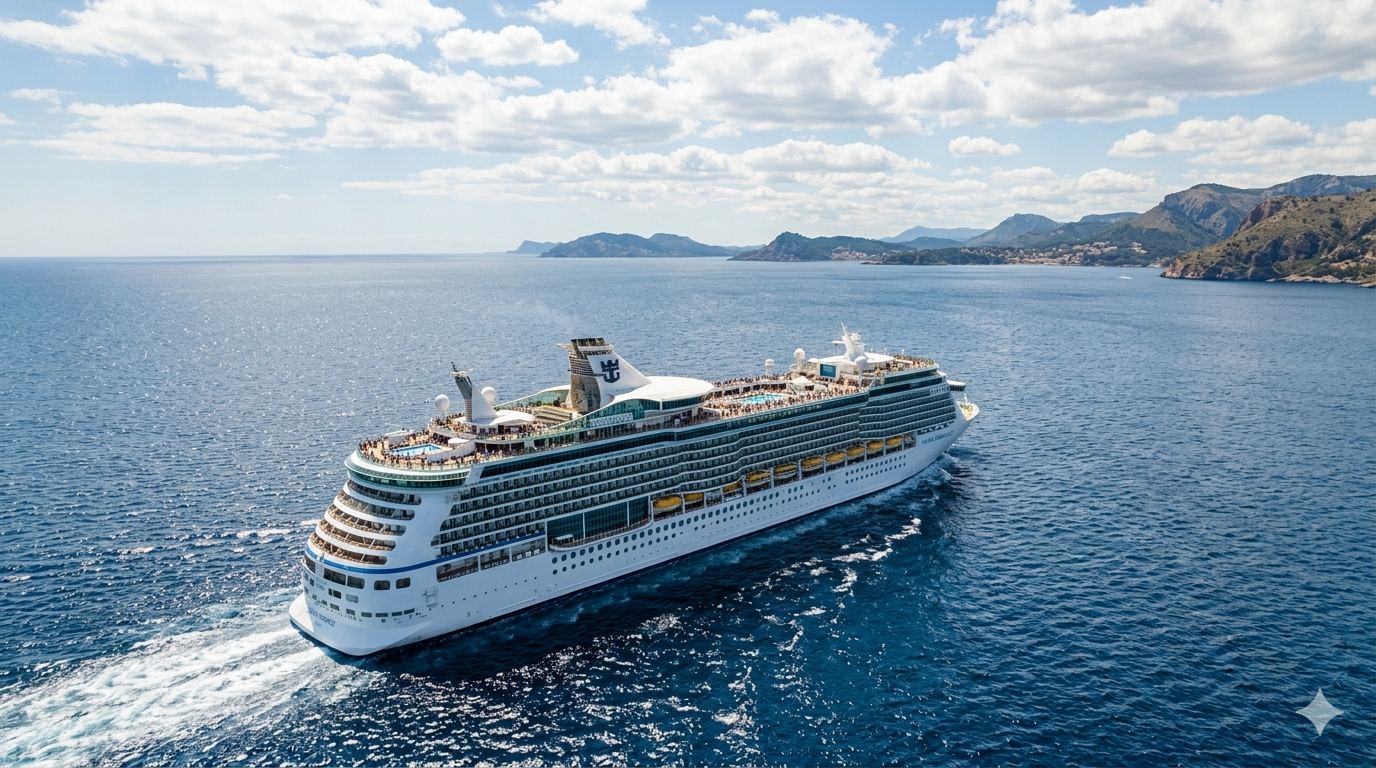
The outbreak occurred aboard the Dutch-flagged MV Hondius, carrying around 150 passengers and crew members. According to WHO, three people died while several others developed severe respiratory illness. Some infected individuals were evacuated to the Netherlands and South Africa for advanced medical care. Authorities later confirmed the involvement of the Andes strain of hantavirus; a rare variant primarily found in South America and notable because it can rarely spread between humans through close contact.
Also read: How A Dutch Couple Became The First Hantavirus Patients Of The Current Outbreak
Why Evacuation Is Important In Infectious Disease Outbreaks
When a potentially serious infectious disease is identified onboard a ship or aircraft, medical evacuation becomes a key step in outbreak control. Evacuation helps by:
- Moving critically ill patients to specialised hospitals
- Reducing the risk of onboard exposure
- Allowing faster isolation and testing
In the current outbreak, patients were transported to European medical facilities equipped to handle infectious disease emergencies.
How Contact Tracing Works
The World Health Organisation (WHO) 2025 guidelines on contact tracing provide a disease-agnostic framework for identifying, assessing, and managing individuals exposed to infectious diseases, focusing on strengthening health worker capacity. The guidelines emphasise ethical principles, community trust, and the use of digital tools to enhance efficiency.
Contact tracing is one of the most important public health tools used during outbreaks. It involves identifying and monitoring people who may have been exposed to an infected individual. According to WHO, health officials typically:
- Interview patients about recent interactions
- Identify close contacts such as cabin mates or travel companions
- Monitor symptoms over days or weeks
- Recommend isolation or testing if needed
In this outbreak, authorities in multiple countries, including Argentina, Switzerland, South Africa, and European nations, began tracing passengers and crew who may have been exposed.
Why Cruise Ships Pose Unique Challenges
Cruise ships create conditions that can complicate outbreak control:
- Shared dining and recreational spaces
- Close and prolonged contact among passengers
- International travel across multiple ports
These factors make rapid identification and isolation especially important. Lessons from the Covid-19 pandemic have also influenced how cruise ship outbreaks are now managed, with stricter quarantine, sanitation, and monitoring protocols.
Also read: Hazmat Suits On, Health Authorities Evacuate Suspected Hantavirus Patients From Cruise Ship
What Symptoms Are Doctors Monitoring?
Symptoms of hantavirus infection may initially resemble flu-like illness but can worsen rapidly. Common signs include:
- Fever
- Muscle aches
- Fatigue
- Respiratory distress
Severe cases can progress to acute respiratory distress syndrome, requiring urgent hospital care.
What Happens After Exposure?
People identified as close contacts may be asked to:
- Self-isolate
- Monitor symptoms
- Undergo testing
- Avoid travel temporarily
Because the Andes strain may spread through prolonged close exposure, public health agencies often take extra precautions even when overall risk remains low. The evacuation of hantavirus patients from the MV Hondius outbreak shows how modern infectious disease response relies on rapid coordination between hospitals, governments, and international health agencies.
From medical evacuation to contact tracing and quarantine, each step is designed to reduce transmission and protect public health. While experts say the overall global risk remains low, the outbreak is a reminder that in an interconnected world, infectious diseases can quickly become international concerns requiring swift and organised action.
Disclaimer: This content, including advice, provides generic information only. It is in no way a substitute for a qualified medical opinion. Always consult a specialist or your own doctor for more information. NDTV does not claim responsibility for this information.